Fall HVAC Checklist: Triage Guide for 24-Hour Air Conditioning Service in Las Vegas, NV
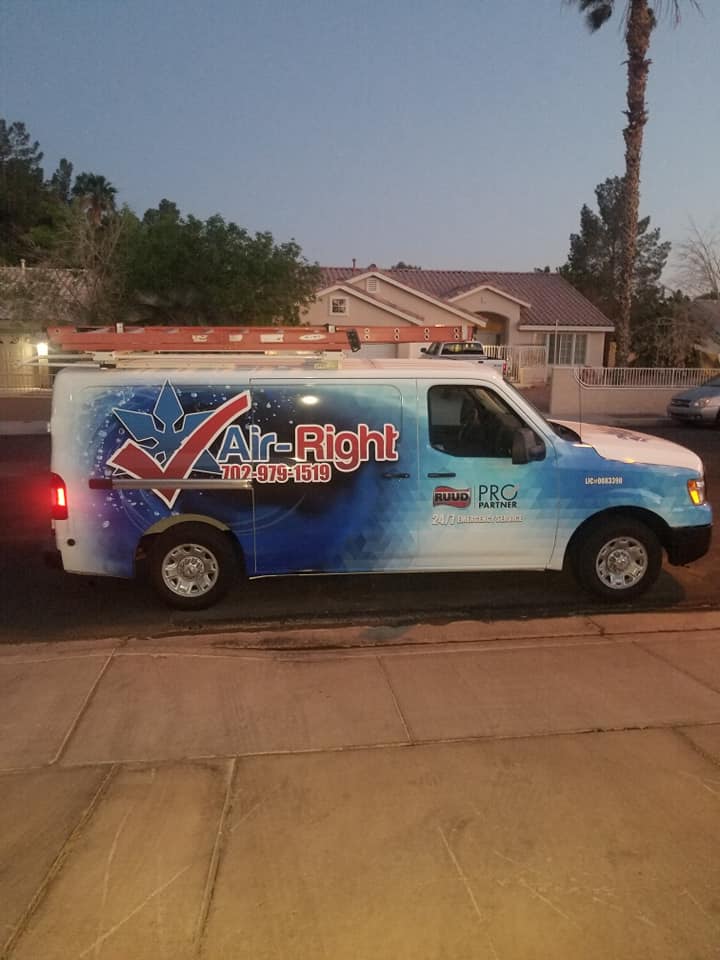
Air-Right

The October Switch: Facing the Desert Heating Transition When the October desert heating transition finally arrives and the intense summer heat breaks, crossing off the first item on your seasonal home maintenance…
The October Switch: Facing the Desert Heating Transition
When the October desert heating transition finally arrives and the intense summer heat breaks, crossing off the first item on your seasonal home maintenance checklist—switching your thermostat from cooling to heating—can bring unexpected anxiety. At Air-Right, we hear from homeowners every fall who walk over to the thermostat, flip the system to the heating cycle, and wait for the warm air. Instead of immediate comfort, they might be met with alarming burning smells, strange rattling noises, or a frustrating delay before any air flows through the vents. This initial startup acts as a massive stress test for an HVAC system that has just endured months of continuous operation.
Determining whether these first-startup symptoms are just normal dust burning off or a sign of a failing component is critical for every homeowner. In our experience, knowing the difference helps you decide if you simply need a standard tune-up or if the situation demands immediate emergency intervention to prevent a larger breakdown. If you are looking for professional Air Conditioning Services, scheduling a thorough evaluation with our team now provides total peace of mind before the freezing overnight temperatures settle into the valley.
Why Your System is Exhausted After a Las Vegas Summer
The extreme climate of the Las Vegas Valley places a unique and heavy burden on residential cooling and heating equipment. Our technicians see the aftermath firsthand every autumn: throughout the peak of summer, triple-digit temperatures force your HVAC unit to run nearly non-stop just to maintain a livable indoor environment. By the time the fall transition arrives, your system is heavily fatigued, making the switch to heating a highly vulnerable moment for mechanical failures. If you suspect your unit is struggling to make the switch, securing a reliable Las Vegas AC Repair Service can prevent a minor fatigue issue from escalating into a total system failure.
The 3,000-Hour Wear and Tear
The sheer volume of work: We routinely observe that in a typical desert climate, a central air conditioning system can easily exceed 3,000 hours of operation in a single cooling season. This immense workload takes a physical toll on every moving part. Blower motors endure constant rotation, bearings begin to lose their lubrication, and electrical components degrade under the sustained thermal load.
Component fatigue: Our repair crews frequently find that capacitors, which act as high-voltage batteries to jump-start your motors, are particularly susceptible to heat degradation. After thousands of hours of cycling on and off in extreme heat, these electrical components lose their ability to hold a charge. When you ask the system to switch over to heating, these weakened components are forced to adapt to a new operational cycle, which is often the exact moment they finally fail.
The Mojave Desert Dust Accumulation
Heavy particulate buildup: The dry, windy conditions of the Mojave Desert guarantee that dust, sand, and airborne particulates will infiltrate your outdoor unit and your indoor ductwork. Over the course of the summer, this fine dust settles on the blower wheel, the evaporator coil, and the furnace heat exchanger.
Impact on airflow and efficiency: A layer of dust acts as an unwanted insulator. When it coats the heat exchanger, it prevents the furnace from transferring heat efficiently into your home's air supply. Furthermore, dust buildup on the blower motor can cause the motor to run hotter than designed, increasing the risk of overheating and premature failure just as winter begins.
Burning Dust vs. Electrical Failure: Diagnosing First-Startup Smells
One of the most common concerns our dispatchers field during the October desert heating transition is the distinct odor that fills the house when the furnace fires up for the first time. The dusty Mojave environment guarantees a layer of settled dust on heat exchangers by late fall. While a brief burning smell is usually harmless, distinguishing it from an electrical failure is a vital safety skill. If you are ever in doubt, scheduling an AC Maintenance and Tune-Up is the safest way to ensure your system is operating without hidden hazards.
| Symptom Profile | Normal Dust Burn-Off | Electrical Danger |
|---|---|---|
| Odor Type | Smells like singed hair or toasted dust. Earthy and dry. | Smells like melting plastic, ozone, or acrid fishy chemicals. |
| Duration | Fades away completely within 15 to 30 minutes of operation. | Persists continuously and grows stronger the longer the unit runs. |
| Visual/Audio Cues | None. The system sounds normal and airflow is steady. | Sparking sounds, popping, or the system repeatedly tripping the breaker. |
| Required Action | Open a few windows to ventilate the home until the smell clears. | Shut off the system immediately at the thermostat and breaker. Call a professional. |
Normal 15-Minute Burn-Off
Harmless incineration: When the furnace burners ignite, the metal heat exchanger rapidly heats up to hundreds of degrees. Any dust that has settled on this metal over the summer is instantly incinerated. This process produces a distinct, dusty burning smell that is entirely normal. The odor should be relatively mild and should dissipate quickly as the dust is cleared away.
Ventilation tips: To manage this brief nuisance, simply open a few windows or doors for about 15 to 20 minutes during the first heating cycle. Once the initial layer of dust is gone, the smell will not return for the rest of the winter season.
Signs of a Legitimate Electrical Danger
Warning signs to watch for: If the smell resembles melting plastic, burning rubber, or an electrical fire, this is not dust. This indicates that a wire's insulation is melting, a motor is overheating, or a circuit board is failing. Additionally, if you hear buzzing, sparking, or loud humming sounds accompanying the smell, you have a mechanical or electrical emergency.
Immediate response: Never ignore an acrid, chemical burning smell. Shut your HVAC system down immediately at the thermostat, and flip the dedicated breaker switch to the "off" position to cut power to the unit. Do not attempt to turn it back on until a licensed technician has inspected the wiring.
Essential Triage Steps Before Requesting 24-Hour Service
Before you escalate a heating issue to an emergency service call, there are several safe, homeowner-friendly checks our team recommends you perform. These simple triage steps can often resolve minor operational hiccups that occur during the seasonal transition in the Las Vegas Valley. However, remember to never attempt internal electrical or mechanical repairs yourself. If these basic checks do not restore your heat, it is time to call in the professionals at Air-Right. For a deeper understanding of how extreme weather affects your unit, you can review How to Fix AC Not Cooling in Triple-Digit Heat, as many of the same airflow principles apply to heating.
Thermostat Calibration and Settings
- Verify the mode: It sounds overly simple, but ensure the thermostat is actually switched to "Heat" and not still set to "Cool" or "Off" from the summer months.
- Check the fan setting: Ensure the fan switch is set to "Auto" rather than "On." If it is set to "On," the fan will blow continuously, even when the furnace isn't actively heating the air, which can make the air coming from the vents feel cold.
- Replace batteries: If your thermostat relies on batteries, swap them out for fresh ones. A weak battery can cause the thermostat to lose its connection to the furnace control board, leading to erratic behavior or a failure to signal for heat.
- Review programming: Double-check your daily schedules. Sometimes, programmable thermostats default back to a summer cooling schedule after a power outage or a battery change.
Air Filter Assessment
- Inspect for clogs: Summer dust storms clog air filters incredibly fast. Pull your filter out and hold it up to a light source. If you cannot see light passing through the material, the filter is completely choked with dirt and must be replaced.
- Prevent short-cycling: A severely restricted air filter starves the furnace of airflow. Without enough air moving over the heat exchanger, the internal temperature of the furnace spikes rapidly. This triggers a safety mechanism called the high-limit switch, which shuts the furnace down to prevent a fire. This repeated turning on and off is known as short-cycling.
- Verify airflow direction: When inserting a new filter, ensure the printed arrows on the frame point toward the furnace unit (in the direction of the airflow).

Common Component Failures During the Fall Transition
When an HVAC system fails to produce heat during the fall transition, the symptoms can seem catastrophic. A pattern we see often at Air-Right is homeowners assuming the worst when a unit refuses to turn on or makes loud, grinding noises. However, what appears to be a completely destroyed blower motor is sometimes just a burnt wire, a failing capacitor, or a pitted contactor. Because these mechanical failures are incredibly common in the Las Vegas Valley after a long summer, having access to our reliable, rapid-response 24/7 availability is crucial for getting an accurate diagnosis.
An honest evaluation prevents unnecessary and expensive replacements. For example, our team recently assisted a local homeowner who called for service in the fall after being told elsewhere they needed a full, expensive motor replacement. Needing an urgent second opinion, they reached out to us. An Air-Right technician arrived within 90 minutes, properly diagnosed a simple wiring issue, and successfully repaired the connection, saving the customer from a costly and unnecessary motor replacement. If you need a trustworthy second opinion, booking a Summerlin AC Repair diagnostic with our crew can clarify exactly what is wrong with your system.
Wiring Issues Misdiagnosed as Motor Failures
The reality of vibration: Over thousands of hours of operation, the constant vibration of the HVAC unit can cause wire nuts to loosen and electrical connections to fray. A loose wire can prevent the blower motor from receiving power, making the motor appear completely dead. Our skilled technicians always test for electrical continuity before condemning a major, expensive component like a motor.
The value of a second opinion: If you are told your system requires a massive overhaul during the first week of fall, it is always wise to have a rapid-response professional double-check the electrical schematics. Fixing a burnt terminal is a minor repair compared to replacing an entire blower assembly.
Capacitor and Contactor Fatigue
Bearing the summer brunt: The contactor is a mechanical relay that controls the high-voltage electricity flowing to your compressor and motors. Every time the system turns on, an electrical arc jumps across the contactor pads. Over a brutal summer, this arcing causes the metal pads to become pitted and coated in carbon, eventually preventing the electrical connection from closing properly.
Transition symptoms: Similarly, run capacitors lose their microfarad rating due to heat exposure. During the heating switch, a weak capacitor will struggle to provide the necessary torque to start the blower motor. You might hear a distinct humming or buzzing sound from the unit as the motor tries and fails to start, which is a classic symptom of capacitor failure that our team resolves daily.
Managing the Impact of Rapid Desert Temperature Shifts
The Mojave Desert is famous for its extreme day-to-night temperature fluctuations. During the fall transition, it is common to experience warm, comfortable afternoons followed by drastic temperature plummets once the sun goes down. These 40°F desert night drops force your HVAC system to shift gears rapidly, placing immense physical stress on the internal components. We always remind our customers that managing this impact requires a system that has been properly maintained and calibrated for sudden thermal loads.
Thermal Expansion and Contraction
Physical stress on metal: When the temperature drops rapidly outside, your furnace engages to heat the home. The metal heat exchanger inside the furnace goes from being cold to incredibly hot in a matter of seconds. This causes the metal to expand. When the heating cycle finishes, the metal rapidly cools and contracts. This constant expansion and contraction is a massive physical stressor on the system.
Risk of cracking: If a heat exchanger is weakened by rust, poor airflow, or lack of maintenance, this rapid thermal cycling can cause the metal to crack. A cracked heat exchanger is a severe safety hazard, as it can allow carbon monoxide to leak into your home's breathing air. Our regular fall maintenance visits focus heavily on ensuring the structural integrity of this vital component.
Why Rapid Heating Response is Critical
Keeping up with the plunge: When the outside temperature drops by 40 degrees in just a few hours, your home loses heat rapidly through the windows, doors, and roof. An unmaintained, fatigued heating system will struggle to generate enough BTUs to keep up with this rapid heat loss, leaving you shivering in your own living room.
Consistent temperature management: To avoid overworking the unit during these steep drops, we advise setting a consistent, moderate temperature on your thermostat rather than turning the system off entirely during the day. Allowing the home to become too cold forces the furnace to run continuously at maximum capacity to catch up, which accelerates wear and tear.
Frequently Asked Questions About Las Vegas Fall HVAC Maintenance
Why does my heater smell like burning when I turn it on?
It is usually accumulated dust burning off the heat exchanger. Because HVAC systems sit idle for months during the summer, a layer of dust settles on the internal heating components. When the furnace ignites for the first time, this dust incinerates, creating a distinct burning smell. The odor should dissipate completely within 15 to 30 minutes; if it persists or smells like melting plastic, turn the unit off immediately.
How do I prep my HVAC for winter in Las Vegas?
Our team recommends changing the air filter, clearing debris from the outdoor unit, and testing the thermostat before the cold weather arrives. A clean filter ensures proper airflow, which prevents the furnace from overheating and short-cycling. Additionally, schedule a professional seasonal tune-up to inspect electrical connections, measure capacitor strength, and verify that all moving parts survived the summer workload.
What is a normal burning smell vs an electrical issue in a furnace?
Normal smells are dusty, earthy, and brief, typically fading away within half an hour of the first heating cycle. Electrical issues smell sharply of melting plastic, ozone, or burning wires, and the odor does not fade away as the system runs. If you notice sparking sounds or the smell grows stronger, it is a sign of a severe electrical hazard that requires immediate professional attention.
What should be on a fall home maintenance checklist for desert climates?
Your seasonal home maintenance checklist must include HVAC transition testing, checking weatherstripping for dust sealing, and inspecting ductwork for leaks. Because of the extreme summer heat, you should focus heavily on reversing the toll of thermal fatigue. Ensuring your heating system can handle sudden 40°F desert night drops is the most critical step in preparing your home for a desert winter.
When is it necessary to call for 24-hour emergency HVAC service?
Call immediately if there are persistent electrical smells, visible sparking, or if the system completely fails during a severe temperature drop. While a tripped breaker can sometimes be a fluke, a breaker that repeatedly trips when the heater turns on indicates a dangerous electrical short. Do not attempt to force the system to run; rely on a 24-hour professional to safely diagnose the root cause.
Secure Your Comfort Before the Next Temperature Drop
Navigating the October desert heating transition doesn't have to be a source of stress. By understanding the immense toll the summer heat takes on your equipment, you can take proactive steps to ensure your home remains safe and comfortable. The most important item on your seasonal home maintenance checklist is verifying that your system can handle the sudden, freezing temperature drops without failing in the middle of the night. True peace of mind comes from knowing a fatigued system has been professionally vetted. Schedule a comprehensive diagnostic or tune-up with Air-Right today to secure a clear, expert breakdown of your system's health, ensuring you stay warm and worry-free all winter long.
Need Help?
Contact us today to discuss your needs. Our team is ready to help.
Related Articles
- Is Your Fall Heater Startup a True Emergency? A Guide to 24 Hour Air Conditioning Service in Las Vegas, NV
- Fall HVAC Triage: When to Call for 24-Hour Air Conditioning Service in Las Vegas, NV
- Is That Burning Smell an Emergency? A Triage Guide for 24-Hour Air Conditioning Service in Las Vegas, NV
Related articles


Ready to Get Started?
Whether you need a repair, maintenance, or a new installation, our expert team is here to help.