First Heating Cycle Triage: Do You Need 24-Hour AC Repair in Las Vegas, NV?
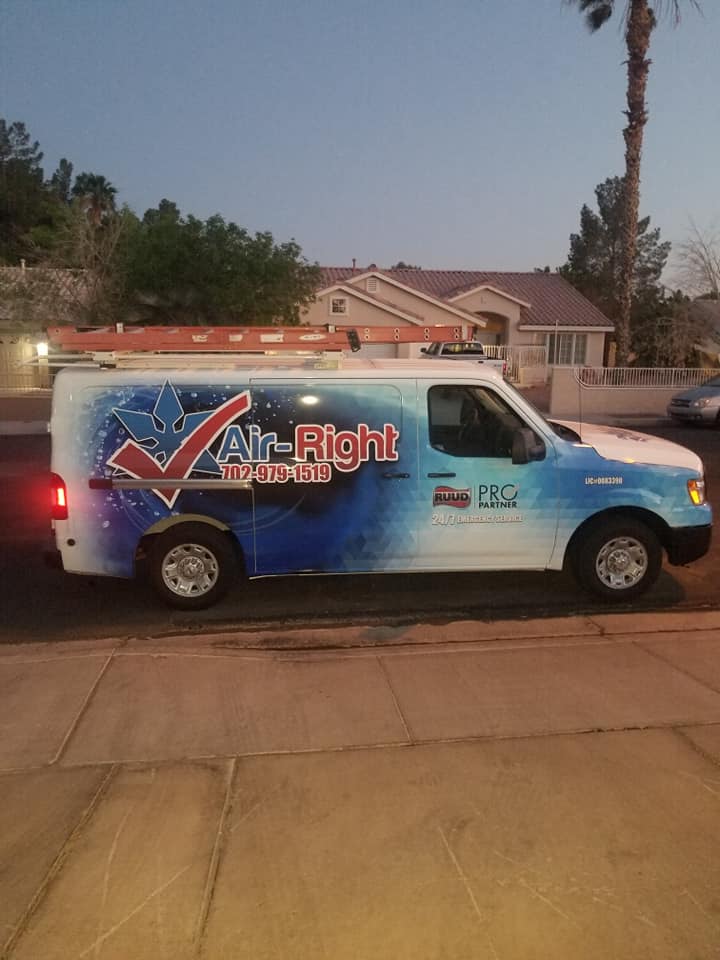
Air-Right

Facing the First Cold Desert Night: Normal Quirk or System Failure? You turn on your thermostat to knock off the chill, but instead of cozy warmth, your system struggles—which is exactly why a seasonal home maintenance…
Facing the First Cold Desert Night: Normal Quirk or System Failure?
You turn on your thermostat to knock off the chill, but instead of cozy warmth, your system struggles—which is exactly why a seasonal home maintenance checklist is an important tool before those first cold desert nights in November. After surviving more than three months of extreme, triple-digit heat, our team at Air-Right fields countless calls from anxious Las Vegas homeowners when their HVAC system behaves strangely. That strange burning smell filling the hallway or the weak airflow coming from the vents will not go away on its own, and ignoring it only makes the situation worse.
You need to know right now whether you are dealing with a temporary start-up quirk or a serious component failure caused by summer stress. The good news is that a professional assessment from our technicians can quickly resolve this uncertainty without putting your family's safety at risk. To get your system checked and ensure your home stays comfortable, explore our Air Conditioning services.
How Extreme Las Vegas Summers Mask Heating Component Wear
In our years of serving Las Vegas, we find that most homeowners assume that because their air conditioner survived the summer, their heating system is perfectly fine. However, heat pumps and central HVAC systems use many of the exact same mechanical parts for both cooling and heating. The extreme conditions of a Las Vegas summer put massive strain on these shared components, and we consistently see that wear stay hidden until the system is forced to switch modes months later.
The Toll of 100-Degree Days on Shared HVAC Parts
When temperatures exceed 100 degrees for over 100 days straight, your HVAC system rarely gets a break. This relentless operation degrades parts that you will rely on heavily during the winter.
- Blower motors running continuously: The blower motor pushes cold air through your ducts all summer and hot air all winter. After months of nonstop use, the motor bearings can wear down. Our technicians frequently replace motors that experience sudden failure on the first cold night.
- Capacitors strained by ambient heat: Capacitors store the electrical energy needed to start your system's motors. Extreme summer heat degrades the chemical components inside these capacitors, leaving them too weak to start the heating cycle.
- Mechanical stress on the reversing valve: Heat pumps use a reversing valve to switch the flow of refrigerant from cooling to heating. After sitting in the cooling position for six months, we often find this valve becomes stuck, preventing the system from producing heat.
This delayed failure is a unique challenge we navigate in desert climates. A system might barely cross the finish line of summer cooling, only to fail immediately when the reversing valve attempts to switch to heating mode. If you spent August fixing an AC not cooling in triple-digit heat, those same stressed components are now responsible for keeping your home warm in November.
Diagnosing the 'Burning Dust' Smell at Start-Up
One of the most alarming experiences for a homeowner is turning on the heater and immediately smelling smoke. Our dispatchers hear the panic in our customers' voices every fall, but it is usually a simple matter of science. During the long, dormant summer months, dust, pet dander, and airborne particles settle on your furnace's heat exchangers and electric heating elements. When these components ignite for the first time in late fall, they incinerate that accumulated debris.
Understanding the difference between normal dust burn-off and a dangerous electrical failure is the first step in basic system triage. We recommend using the following breakdown to determine what you are smelling and whether you need to shut your system down.
| Symptom or Smell | Likely Cause | Expected Duration | Required Action |
|---|---|---|---|
| Dry, dusty, or slightly singed odor | Normal dust accumulation burning off heat exchangers. | 15 to 30 minutes during the first full heating cycle. | Monitor the system. Open a window if the smell is strong, but allow the cycle to finish. |
| Acrid, melting plastic smell | Wire casing or a foreign plastic object melting near the heating element. | Persistent; will not fade over time. | Turn the system off immediately at the thermostat and call a professional. |
| Sharp electrical ozone or fishy odor | Overheating electrical components, failing motors, or melting circuit boards. | Persistent; often accompanied by sparking or clicking. | Shut off power at the breaker panel immediately and request emergency service. |
| Heavy, visible smoke or exhaust smell | Cracked heat exchanger or severe ventilation blockage. | Persistent; highly dangerous carbon monoxide risk. | Evacuate the immediate area, shut off the system, and call an HVAC technician. |
If the smell is strictly dusty and fades within half an hour, your system is likely functioning normally. However, if the odor is electrical, smells like burning plastic, or persists beyond a single cycle, turn off the system immediately. Running a compromised heater risks severe electrical damage and compromises your home's air quality.

Why Is My System Blowing Lukewarm Air on the First Cold Night?
Another common issue our technicians see homeowners face during the November transition is poor heating performance. You adjust the thermostat, hear the system kick on, but soon realize you are getting lukewarm air instead of hot air on first start. This symptom requires careful observation to determine if the system is simply staging or if a mechanical failure has occurred.
Here is how we advise evaluating a system that refuses to blow hot air:
- Wait for the staging process to complete: Many modern heat pump systems do not blast maximum heat the second they turn on. They often go through a staging process, blowing room-temperature air for a few minutes while the compressor builds pressure. Give the system 10 to 15 minutes to reach full heating capacity before assuming it is broken.
- Check for summer refrigerant leaks: Heat pumps rely on a precise charge of refrigerant to absorb heat from the outside air and transfer it indoors. If your system developed a micro-leak during the heavy strain of summer, it will lack the refrigerant needed to produce warm air in the winter. The result is a system that runs constantly but only blows tepid air.
- Listen for a stuck reversing valve: If you own a heat pump, the reversing valve is the physical mechanism that changes the flow of refrigerant. If this valve gets stuck in the cooling position due to mechanical wear, the system will actively try to cool your home even when the thermostat is set to heat.
- Avoid forcing continuous operation: If the air remains lukewarm after 15 minutes, do not turn the thermostat up higher in an attempt to force the system to work. Running a heat pump with low refrigerant or a stuck valve can destroy the compressor, leading to catastrophic failure.
If your system consistently fails to produce hot air after the initial start-up period, you need a professional diagnostic. Contact our experts for AC repair service in Las Vegas to test the refrigerant levels and inspect the reversing valve before the true winter cold sets in.
When to Escalate to a 24-Hour Repair Professional
Knowing when to wait and when to call for help is the most critical part of seasonal triage. While a brief dusty smell or a short delay in warm air is normal, certain symptoms indicate that your system is actively failing and requires immediate professional intervention. When temperatures are dropping rapidly into the 40s, you cannot afford to wait days for a solution.
- Total system failure: If the thermostat clicks but the blower motor never engages, or if the system trips the circuit breaker immediately upon starting, you have a hard electrical short or a seized motor. Do not attempt to reset a tripping breaker multiple times, as this can cause electrical fires.
- Persistent electrical smells: As outlined earlier, any smell resembling ozone, fish, or melting plastic means wires are overheating. This is a severe fire hazard that requires an immediate shutdown.
- Loud grinding or screeching noises: A brief rattle at start-up might just be loose ductwork, but a loud, metallic grinding sound usually indicates that the blower motor bearings have disintegrated. Running the system in this state will tear the motor apart.
- Rapid short-cycling: If the heater turns on, runs for 60 seconds, and immediately shuts off, the internal safety sensors are detecting a dangerous condition—such as a blocked flue or an overheating heat exchanger.
Our team knows that fast, reliable 24/7 emergency response is essential to protect families when the system completely fails on a freezing desert night. Never attempt DIY disassembly of your HVAC equipment. Opening access panels exposes you to high-voltage electrical components and moving parts. If your system exhibits any of these severe symptoms, shut it down and rely on professional AC installation and replacement or emergency repair services to restore your home's safety.
Preventative Steps: Transitioning Your HVAC System Safely
We always tell our customers that the best way to handle emergency triage is to avoid needing it in the first place. Bridging the gap between reactive repairs and proactive care ensures your system transitions smoothly from Las Vegas' brutal summers to its chilly winters. Taking a few preventative steps before the first major cold front hits will save you time, money, and stress.
Schedule a professional inspection early: The most effective strategy is to have a licensed technician inspect the system before you actually need the heat. During a fall tune-up, our technicians clear away the summer dust from the heat exchangers, significantly reducing that alarming burning smell on the first cycle. We also manually test the reversing valve to ensure it shifts smoothly out of cooling mode.
Calibrate the thermostat: Over the summer, constant temperature adjustments can cause the thermostat to lose its calibration. A technician will verify that the thermostat is reading the room temperature accurately and communicating correctly with the furnace or heat pump. If the thermostat is failing, the system may short-cycle or refuse to turn on entirely.
Replace your air filters: A clogged air filter restricts airflow, which is highly dangerous during the heating season. Restricted airflow causes the heat exchanger to overheat rapidly, triggering the system's high-limit safety switch and shutting the heater down. Starting the winter with a fresh, clean filter is the easiest way to prevent short-cycling and protect your blower motor.
By investing in routine AC maintenance and tune-ups, you give our professionals the opportunity to spot worn capacitors, low refrigerant, and failing motors before they leave you freezing on a November night.
Expert Answers to Your Fall HVAC Transition Questions
Why does my heater smell like burning dust?
Our technicians explain that this odor is caused by the normal burn-off of dust and debris that accumulated on the heating elements during the summer. When the system ignites for the first time in months, it incinerates these particles, creating a temporary dusty smell. This is completely normal and should dissipate within 15 to 30 minutes. However, if the smell resembles melting plastic or electrical ozone, or if it lasts for hours, you should turn the system off and call a professional immediately.
Why is my heater blowing lukewarm air on the first cold night?
In our experience, lukewarm air usually indicates a stuck reversing valve or low refrigerant levels caused by summer wear and tear. Heat pumps may take a few minutes to stage up to full heating capacity, so a brief delay is normal. If the air remains tepid after 15 minutes, the system is failing to absorb and transfer heat properly. You will need a professional diagnostic to check the refrigerant charge and test the mechanical valves.
How do I know if my heater needs professional repair?
You need professional repair if the system exhibits persistent strange noises, rapid short-cycling, or fails to reach the temperature set on the thermostat. Loud grinding or banging sounds point to failing motor bearings, while a system that turns on and off every two minutes is likely tripping a safety sensor. Never ignore these signs, as forcing the system to run will cause further mechanical damage.
Is it normal for a heater to short-cycle when first turned on?
Brief initial cycles can happen as the system calibrates, but rapid, continuous on-and-off switching indicates a serious airflow or sensor issue. The most common culprits we see are heavily soiled air filters that restrict airflow and cause the heat exchanger to overheat, or a dirty flame sensor that fails to detect ignition. Both situations require attention, starting with a filter change and escalating to a professional cleaning if the problem persists.
How do I prepare my Las Vegas HVAC for winter?
The best preparation is scheduling a professional fall tune-up before emergency heating is required. One of our technicians will clean the internal components, test the reversing valve, and verify that summer stress hasn't compromised the electrical parts. Additionally, you should change your air filter and test the system on a mild afternoon in October or early November, so you aren't caught off guard when the first freezing night arrives.
Secure Your Home's Comfort Before True Winter Arrives
Distinguishing between a normal seasonal quirk and an actual mechanical failure is the key to maintaining your peace of mind during the late fall transition. While a brief burning dust smell or a few minutes of lukewarm air are normal behaviors for a system waking up from a long summer slumber, persistent odors, grinding noises, and rapid short-cycling are clear warnings. Guessing whether your system is safe isn't worth the risk when nighttime temperatures begin to drop.
If your system is struggling on its first heating cycle, do not attempt to disassemble the equipment or force it to run. Schedule a professional inspection with our team at Air-Right to verify that your home is safe, your components are sound, and your family will remain comfortable no matter how cold the desert nights become.
Need Help?
Contact us today to discuss your needs. Our team is ready to help.
Related articles


Ready to Get Started?
Whether you need a repair, maintenance, or a new installation, our expert team is here to help.