Is It a True Emergency? Heating Startup Triage & 24 Hour AC Repair in Las Vegas, NV
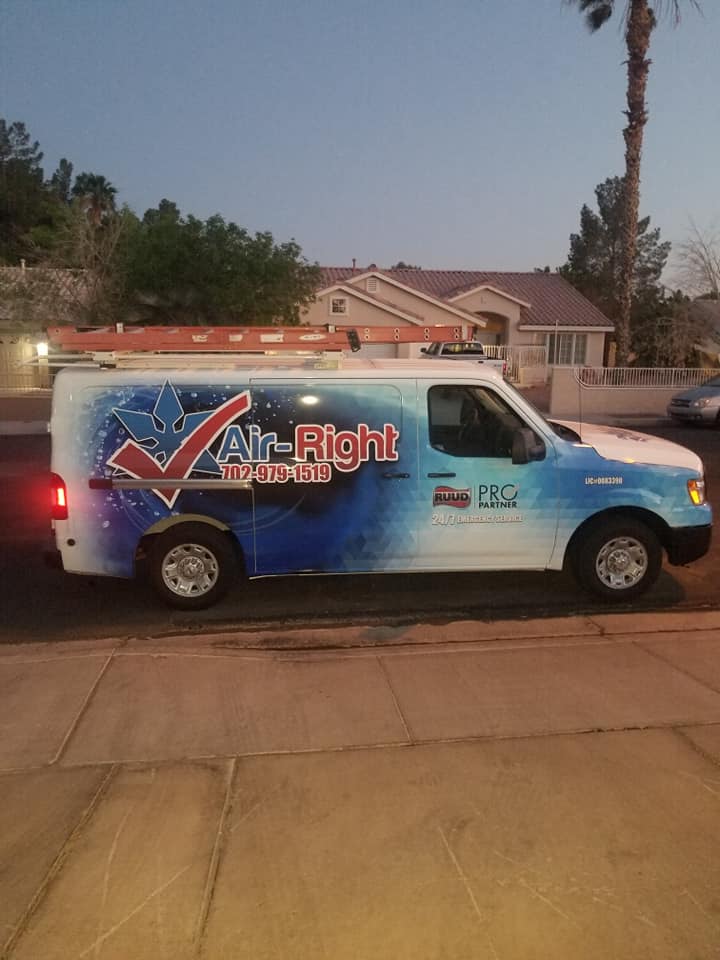
Air-Right

That First Burning Smell: When to Wait and When to Worry Are you staring at your thermostat right now, wondering why turning on the heat for the first time this season suddenly filled your home with a burning odor?…
That First Burning Smell: When to Wait and When to Worry
Are you staring at your thermostat right now, wondering why turning on the heat for the first time this season suddenly filled your home with a burning odor? Navigating the seasonal shift from cooling to heating often requires reliable home maintenance tips and troubleshooting, especially when unfamiliar smells trigger immediate alarm bells. When the first major cold snap hits in November and late fall, our team at Air-Right sees many homeowners experience a moment of panic as their heating system roars to life and emits a highly noticeable scent. The immediate question is whether this is a harmless seasonal occurrence or a severe mechanical hazard that requires shutting the system down immediately.
If you suspect a severe system failure or electrical hazard, reaching out for 24 hour AC repair in Las Vegas is the safest course of action. However, not every unusual odor means your equipment is failing. Understanding the basic mechanics of how your heating system operates after a long period of dormancy is the key to making an informed, safe decision. By learning how to distinguish between normal operational burn-off and a true electrical or mechanical emergency, you can protect your property without panicking over standard seasonal transitions.
The Psychology of the First Heating Cycle
It is entirely natural to feel concerned when you detect a burning smell inside your home. Human instincts are wired to treat any smoke or burning odor as an immediate threat. When that scent comes directly from the vents that circulate air throughout your living space, the concern is amplified. The goal of our triage guide is to provide an objective, safety-focused framework for evaluating those initial sensory warnings. Some issues will resolve entirely on their own within a very specific timeframe, while others are clear indicators of wiring faults, failing motors, or compromised components that demand fast, professional action.
Why Las Vegas Systems Struggle During the Fall Transition
The transition into November and late fall is uniquely stressful for climate control systems in the desert. To understand why that first heating cycle produces such a distinct smell, it is helpful to look at the environmental factors specific to the region. At Air-Right, we know firsthand that heating components do not exist in a vacuum; they share space, ductwork, and blower motors with the cooling system, which means they are exposed to the elements all year round, even when they are not actively generating heat.
The Eight-Month Dormancy Period
In the Las Vegas area, the cooling season dominates the calendar. Air conditioning systems often run continuously from early spring through late autumn. During these eight to nine months of heavy AC usage, the heating components—specifically the furnace heat exchanger or the heat pump's auxiliary heating coils—sit completely dormant. They remain cold and inactive while massive volumes of air are constantly pulled across them by the blower motor.
The Accumulation of Fine Desert Particulates
Because of the arid environment, fine desert dust is a constant presence. Even with high-quality air filters in place, our technicians frequently observe microscopic particulates making their way into the ductwork and the internal cabinet of the HVAC system over the course of a long summer. These incredibly fine dust particles settle directly onto the cold metal surfaces of the heat exchanger. When temperatures finally drop and the thermostat is switched to "heat" for the first time in pre-winter readiness, those metal surfaces rapidly heat up to hundreds of degrees. The sudden operational shift incinerates the accumulated layer of dust almost instantly, creating a distinct, highly noticeable odor that is pushed out through every vent in the house.
The 30-Minute Rule: Identifying Normal Dust Burn-Off
When you encounter a strange smell during the initial startup, the most effective way to evaluate the situation is by applying the 30-minute rule. We always recommend this method to our customers because it provides clear, time-bound criteria to help you determine if the system is simply clearing out summer debris or if it is experiencing a dangerous malfunction.
Steps for Monitoring the First Heating Cycle
- Document the start time: The moment you turn the thermostat to heat and notice the smell, look at the clock. The standard timeframe for harmless dust burn-off occurs strictly within the first 30 minutes of the heating cycle.
- Analyze the scent profile: Pay close attention to exactly what the odor smells like. Normal dust burn-off smells like warm, dry dirt or a slightly dusty radiator. It should not smell like melting plastic, fish, or electrical ozone.
- Ventilate the space temporarily: If the smell of burning dust is overwhelming, open a few windows or doors to allow fresh air to circulate. This improves indoor air quality while the heat exchanger finishes incinerating the settled particles.
- Monitor for dissipation: The intensity of the smell should peak within the first ten minutes and then steadily decrease. If the odor grows stronger, thicker, or changes in character after the initial peak, it may not be normal dust.
- Listen to the system: During this 30-minute window, the system should sound normal. You should hear the standard click of the thermostat, the gentle hum of the blower motor, and the rush of air. Grinding, squealing, or loud banging are not part of a normal startup sequence.
If the smell completely dissipates within 30 to 45 minutes and the system is heating the home effectively, your equipment has successfully cleared its dormant dust layer. If the symptoms persist beyond this window, the situation requires a different approach.
Warning Signs That Demand Immediate Attention
While the 30-minute rule covers the most common seasonal complaint, there are specific warning signs that override any waiting period. If you detect hazardous odors or dangerous auditory signals, you must bypass the waiting period and treat the situation as an active mechanical or electrical failure.
Contrasting Normal Operations with Hazards
Misdiagnosing these critical indicators can lead to severe equipment damage or safety risks. A common pattern we see at Air-Right during the fall transition involves misdiagnosed electrical issues. In one local scenario during the fall season, a homeowner feared they needed a costly motor replacement due to strange noises and smells. Upon prompt emergency dispatch, our technician arrived within 90 minutes and diagnosed a simple wiring fault instead. The issue was fixed without replacing the motor, saving significant expense and preventing a potential electrical hazard. Accurate diagnosis is essential.
| Symptom Category | Normal Dust Burn-Off | Emergency Warning Sign |
|---|---|---|
| Odor Profile | Warm, dry dirt; toasted dust; dissipates quickly. | Melting plastic, sulfur (rotten eggs), electrical ozone, or fishy smells. |
| Timeframe | Peaks early and fades within 30 to 45 minutes. | Persists continuously, grows stronger, or occurs every time the heat turns on. |
| Auditory Cues | Standard operational hum, normal air rushing sounds. | Metal-on-metal grinding, loud banging, continuous squealing, or rapid clicking. |
| Electrical Behavior | System runs continuously until the target temperature is reached. | System repeatedly trips the circuit breaker upon startup or shuts off randomly. |
| Visual Signs | No visible smoke or discoloration around the vents. | Visible smoke, soot around registers, or scorch marks near the indoor unit. |
If your system exhibits any of the signs in the emergency column, it is not experiencing normal dust burn-off. These symptoms indicate failing wire insulation, seized motor bearings, or compromised heat exchangers that require immediate professional intervention.

The Impact of Neglected Summer Care on Winter Performance
It is easy to view cooling and heating as two entirely separate functions, but they rely on much of the same internal machinery. The strain placed on your climate control system during the extreme heat of summer has a direct and profound impact on how well it performs when winter arrives. Bridging the gap between summer cooling strain and winter heating failures highlights the absolute necessity of ongoing system care.
Component Fatigue and Blower Strain
During the long cooling season, the indoor blower motor works tirelessly to push chilled air throughout the house. This extreme thermal load leaves internal components fatigued. If the system was operating with a dirty filter or low refrigerant over the summer, the blower motor had to work significantly harder to overcome the restricted airflow. By the time November arrives, that overworked motor is suddenly tasked with distributing heavy, heated air. A motor that is already on the brink of failure due to summer neglect is highly likely to seize or overheat during the first few heating cycles.
Debris Accumulation and Sensor Failure
Skipping preventative care allows excess debris to bypass clogged filters. This dirt does not just settle on the heat exchanger; it coats internal flame sensors, ignition components, and safety switches. When a flame sensor is coated in summer grime, it cannot accurately detect whether the burners have ignited. This often leads to short-cycling, where the furnace turns on, fails to sense the flame, and abruptly shuts down as a safety precaution. Proactive AC maintenance and tune-ups significantly reduce the intensity of startup smells and lower the risk of these sudden, sensor-related breakdowns by ensuring the entire cabinet is clean before the seasons change.
Safety First: Actions to Avoid During a Suspected HVAC Hazard
When an emergency is suspected, establishing strict safety boundaries is paramount. Knowing what not to do is just as important as knowing when to call for help. DIY troubleshooting on complex, high-voltage equipment can easily escalate a minor mechanical issue into a severe safety hazard.
Critical Safety Boundaries for Homeowners
- Do not ignore persistent smells: If a burning plastic or electrical smell continues past the initial startup window, immediately turn off the thermostat. Do not let the system run "just to see if it clears up."
- Do not repeatedly reset a tripped breaker: A circuit breaker trips to protect your home from an electrical short or a severe overload. Resetting it multiple times forces electricity back into a compromised circuit, which can cause electrical fires or permanently destroy the HVAC motor.
- Do not open the internal furnace cabinet: Modern heating systems contain high-voltage wiring, delicate gas valves, and complex circuit boards. Opening the sealed cabinet or attempting to wipe down internal components exposes you to significant electrical and respiratory risks.
- Do not attempt to bypass safety switches: If your system is short-cycling or refusing to ignite, it is likely because an internal safety switch has detected a hazard, such as poor drafting or overheating. Bypassing these switches removes the only line of defense against carbon monoxide exposure or fire.
Diagnosing electrical faults, testing gas-related components, or measuring motor amperage requires specialized tools and a licensed professional. Your primary responsibility as a homeowner is to recognize the warning signs and safely shut the system down.
Honest Triage: Choosing the Right Diagnostics Partner
Not every strange noise or temporary odor warrants an expensive late-night service call. A crucial part of seasonal troubleshooting is partnering with a service provider who prioritizes accurate diagnosis over exploiting early-season panic. When the temperature drops and the furnace smells like dust, you need an authority you can trust to tell you the truth about your system's condition.
The Value of Transparent Diagnostics
At Air-Right, we believe an honest, round-the-clock emergency service refuses to exploit desperate situations. If you describe symptoms that perfectly align with standard 30-minute dust burn-off, our trustworthy professionals will advise you to monitor the situation safely before dispatching a technician and charging a diagnostic fee. Conversely, if your symptoms indicate a melted wire or a failing blower motor, our team will respond with the urgency the situation demands.
When our technician does arrive, transparency remains the priority. You should expect clear documentation of the problem, a straightforward explanation of why a component failed, and an objective assessment of whether a repair or replacement is the most logical path forward. Whether you need urgent heating repairs or are looking to upgrade your system through comprehensive air conditioning services, a commitment to restoring safety and comfort without unnecessary upselling is the hallmark of a reliable local partner. Also, be sure to ask us if federal tax credits may apply to qualifying heat pump installations if an upgrade is needed.
Frequently Asked Questions About Seasonal HVAC Troubleshooting
While summer issues often involve troubleshooting AC not cooling in triple-digit heat, the shift to winter brings its own set of common, high-volume concerns. Addressing these specific queries helps clarify the triage criteria so you can confidently manage your home's climate control.
Why does my heater smell like burning dust?
Dust naturally settles on the heat exchanger during the many months of inactivity over the summer. When the heating cycle initiates for the first time, the metal components rapidly heat up and incinerate this accumulated debris. This physical process causes a temporary, highly noticeable odor that smells like warm dirt. It is a standard operational phase for almost all central heating systems.
How long does furnace dust burn off take?
The standard burn-off process typically lasts between 30 to 45 minutes during the very first heating cycle of the season. During this time, the odor should steadily dissipate rather than increase in intensity. If the smell persists for hours or returns every time the system cycles on, it is no longer considered normal dust burn-off and requires professional evaluation.
What HVAC noises are considered an emergency?
Screeching or heavy metal-on-metal grinding usually indicates a complete motor bearing failure, which can cause the blower to seize and overheat. Loud banging or booming sounds upon startup can signal delayed gas ignition or broken internal components striking the fan blades. Any noise that is disruptive, violently shaking the cabinet, or entirely new should prompt an immediate system shutdown and a call to a technician.
Is it normal for a furnace to smell like plastic?
No, a plastic, rubber, or fishy electrical smell is never normal under any circumstances. These specific odors strongly indicate melting wire insulation, an overheating circuit board, or failing electrical components. If you detect these smells, you must immediately turn off the system at the thermostat to prevent further damage or a potential electrical fire.
When should I call for immediate professional help?
You should call for professional help if smells persist beyond the initial 45-minute timeframe, or if they are accompanied by visible smoke, strange grinding noises, or repeated electrical breaker tripping. When in doubt about the safety of your home's equipment, consulting a licensed professional is always the best and safest course of action.
Secure Your Comfort Safely This Season
Understanding the difference between harmless seasonal dust burn-off and a true mechanical hazard provides immense peace of mind as the seasons change. By applying the 30-minute rule and listening closely to your system's behavior, you can accurately gauge when it is safe to wait and when it is time to act. If your troubleshooting criteria point to an emergency, rest assured that expert help is available around the clock. Do not hesitate to reach out to our team at Air-Right for accurate diagnostics, ensuring your home remains safe, warm, and comfortable for holiday-season gatherings and all winter long.
Need Help?
Contact us today to discuss your needs. Our team is ready to help.
Related Articles
- Is Your Fall Heating Issue a True Emergency? A Guide to 24 Hour AC Repair in Las Vegas, NV
- Why Does My Heater Smell Like Burning? Triage Guide Before Calling 24-Hour Air Conditioning Service in Las Vegas, NV
- Is It a True Emergency? A Triage Guide for 24-Hour Air Conditioning Service in Las Vegas, NV
Related articles


Ready to Get Started?
Whether you need a repair, maintenance, or a new installation, our expert team is here to help.