Need 24 Hour Air Conditioning Service in Las Vegas? Comparing Variable-Speed vs. Two-Stage Replacements
Air-Right

Facing an AC Breakdown in Extreme Heat? Is your system actually broken, or is it just struggling to keep up with the relentless desert sun? At Air-Right, we know firsthand that when navigating options comparisons for…
Facing an AC Breakdown in Extreme Heat?
Is your system actually broken, or is it just struggling to keep up with the relentless desert sun? At Air-Right, we know firsthand that when navigating options comparisons for homeowners, deciding between a rapid repair and a full system replacement is often the most stressful part of a summer breakdown. If your air conditioner fails during a critical July temperature spike, the urgency to restore comfort forces rapid decisions. Dealing with 110°F+ outdoor temperatures means you cannot afford to wait days for a resolution. Need 24 hour air conditioning service Las Vegas? We're here to help.
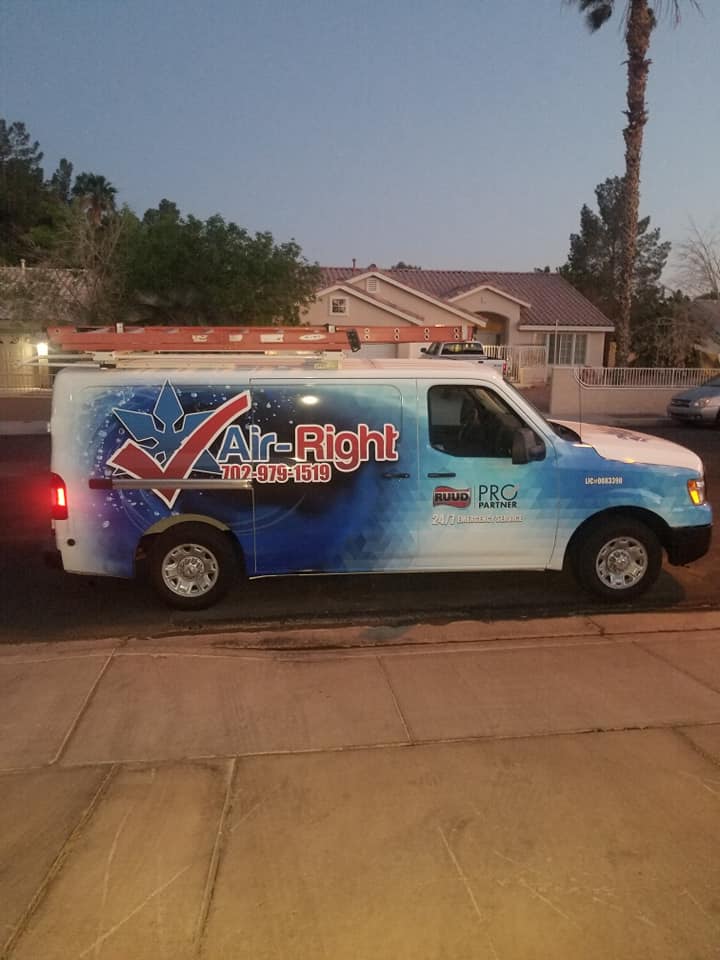
Working with a company like Air-Right that provides fast, reliable 24/7 emergency response specifically tailored for desert climate breakdowns serves as a reassuring safety net when things go wrong. Once the immediate danger of the peak summer heat is mitigated, the next logical step is evaluating your long-term equipment strategy. If your current unit is beyond its useful life, our team typically recommends comparing two-stage and variable-speed compressors for desert climate upgrades. This guide will answer your most pressing questions about how these advanced technologies handle extreme-heat performance, helping you make a sound investment for your Las Vegas home.
Emergency Breakdown or Thermal Overload: Why AC Systems Struggle
Understanding the baseline mechanics of your home's heat gain is vital before comparing new replacement technologies. Thermal load refers to the total amount of heat energy your air conditioning system must remove to maintain your target indoor temperature. In our years serving the Las Vegas Valley, we've seen homes subjected to massive, sustained thermal loads. Sustained triple-digit heat impacts standard single-stage systems by forcing them to run continuously, often well past their designed duty cycles.
Our Air-Right technicians always emphasize the importance of diagnosing whether your AC is mechanically broken or simply undersized for the current extreme weather. A pattern we see often is a system that is technically functioning but losing ground against a 115°F afternoon—this is thermal overload. Conversely, older systems often experience power failures or blown components when forced to run continuously under these grueling conditions. For example, during a recent peak summer weekend when temperatures spiked to 110°F, our team responded to a local system that suffered a complete power failure. Because extreme desert heat rapidly becomes a safety hazard rather than just an inconvenience, a major same-day repair was necessary to restore operation and protect the home.
Identifying True Mechanical Failures
Not every warm house requires a complete system replacement, which is why accurate diagnostics from experienced professionals are critical. If you are unsure whether you need an upgrade or just an AC repair service in Henderson, we tell our customers to look for the physical symptoms of a mechanical breakdown rather than just a slow cooling response.
- Warm air from vents: If the air blowing from your registers is room temperature or warmer, we typically find that the compressor or refrigerant circuit has failed.
- Strange mechanical noises: Grinding, screeching, or loud buzzing indicates failing fan motors or struggling electrical contactors.
- Zero airflow: A completely dead blower motor or a frozen evaporator coil will stop air circulation entirely.
- Frequent breaker trips: Extreme heat accelerates motor and capacitor wear; a system pulling too many amps will repeatedly trip your electrical panel.
How Two-Stage AC Systems Perform Under Pressure
When our team replaces an aging single-stage unit, a two-stage air conditioner is often the first upgrade considered. These systems operate using a compressor that has two distinct capacities: typically around 65% for milder days and 100% for peak heat. The primary benefit of the lower stage is significant energy savings during moderate spring or fall weather. Instead of blasting at full capacity to drop the temperature a single degree, the system runs longer, gentler cycles at 65% capacity.
However, we always advise homeowners to analyze what happens when the system is forced into 100% capacity for days at a time. During a July peak summer heatwave, the outdoor temperatures rarely drop enough to allow a two-stage system to utilize its lower, energy-saving gear. The unit locks into its 100% high stage and effectively operates just like a traditional single-stage air conditioner until the weather breaks.
Key performance realities of two-stage systems: While they are undeniably better than single-stage units for overall annual efficiency, our field experience shows two-stage units still have limitations under relentless thermal stress. They provide excellent comfort during the shoulder seasons, but during the harshest summer months, they will still cycle on and off at maximum output, drawing heavy startup amperage and experiencing standard mechanical wear.
The Variable-Speed Advantage for Desert Climates
Variable-speed (or inverter-driven) technology represents the highest tier of residential cooling. Unlike standard compressors that operate at fixed outputs, a variable-speed compressor can adjust its capacity in increments as small as 1%. This allows the system to ramp up smoothly to meet the exact cooling demand of the house without constantly turning off and on.
Precision Temperature Maintenance
A common misconception we hear in the HVAC industry is that variable-speed technology is only necessary for humid environments. While variable-speed is famous for dehumidification in coastal regions, its true value here in the dry desert is raw, sustained cooling power. Standard dehumidification benefits are less relevant in our climate; precision temperature maintenance is the real win. When facing 110°F+ outdoor temperatures, a variable-speed unit will analyze the thermal load and run continuously at the exact percentage required—perhaps 82% or 94%—to keep the indoor temperature perfectly flat.
Eliminating Temperature Swings
Traditional systems allow the house to warm up by a few degrees before kicking on, creating a noticeable temperature swing. Variable-speed systems eliminate this yo-yo effect. By matching the exact thermal load of the house, the unit achieves superior temperature consistency. This continuous, low-speed air circulation also maximizes the effectiveness of your home's thermal envelope. If you have recently upgraded your attic insulation R-value for desert homes, we find that a variable-speed system will work in perfect harmony with that insulation to trap cold air indoors.

SEER2 Standards and Long-Term Efficiency
When evaluating new equipment, understanding regional energy requirements is just as important as understanding compressor staging. The Department of Energy mandates minimum efficiency standards for residential HVAC equipment, and these standards are broken down by geographic region. For the Southwest region, which includes our service area in the Las Vegas Valley, the current minimum requirement is 15.2 SEER2 (Seasonal Energy Efficiency Ratio 2).
The SEER2 rating measures how much cooling a system produces for every watt of electricity it consumes over an entire season. Higher SEER2 ratings are particularly critical for homes facing months of continuous cooling demand. When we compare the energy consumption profiles of two-stage versus variable-speed systems for our clients, the variable-speed units consistently achieve higher SEER2 ratings. This is because running a compressor continuously at a lower speed uses significantly less total electricity than repeatedly starting a compressor at 100% capacity.
Financial considerations for high-efficiency upgrades: Upgrading to a system that vastly exceeds the 15.2 SEER2 minimum often requires a larger upfront investment. However, generic energy rebates or federal tax credits may apply to qualifying high-efficiency heat pumps or variable-speed AC units. We always advise homeowners to verify current programs with their utility provider or a tax professional, as these incentives can help offset the initial cost of premium equipment.
Short-Cycling vs. Continuous Cooling: Protecting Your Investment
The mechanical wear and tear placed on an air conditioner is largely determined by how often it turns on and off. Short-cycling occurs when a system turns on, runs for a very brief period, and shuts down, only to repeat the process minutes later. A pattern we see often in Las Vegas homes is oversized or single-stage systems suffering from this issue, especially if the ductwork cannot handle the volume of air being pushed.
Every time a traditional system aggressively starts up, it draws a massive surge of electricity—known as Locked Rotor Amps (LRA). This places immense mechanical stress on motors, capacitors, and contactors. Contrast this with the gentle, continuous operation of variable-speed systems. Because an inverter-driven compressor ramps up slowly, it rarely draws that massive startup surge, significantly reducing component fatigue. Reducing wear and tear is vital for system longevity in extreme environments.
| Performance Metric | Traditional/Two-Stage Cycling | Variable-Speed Continuous Cooling |
|---|---|---|
| Startup Stress | High mechanical stress on contactors and capacitors during frequent starts. | Low stress; ramps up smoothly and rarely shuts completely off during peak heat. |
| Temperature Swings | Noticeable 2-3 degree fluctuations between cycles. | Maintains temperature within 0.5 degrees of the thermostat setting. |
| Peak Heat Behavior | Locks into 100% capacity, operating like a single-stage unit. | Adjusts dynamically to match the exact thermal load of the afternoon. |
Of course, technology alone cannot prevent all issues; accurate diagnostics and honest service from an experienced team like Air-Right are equally important. For example, a local commercial property recently called us experiencing unexpected cooling loss across multiple units and feared they needed total replacements. By thoroughly inspecting the system, our technicians located and repaired a severe refrigerant leak instead of pushing for new units. This transparency saved the equipment. Whether you have a complex commercial setup or a residential variable-speed unit, scheduling routine preventative AC maintenance before the July peak summer heatwave is the best way to protect your investment.
Frequently Asked Questions About AC Replacements in Desert Climates
Is a variable speed AC worth it in extreme heat?
Yes, in our experience, a variable-speed air conditioner is highly beneficial in extreme heat environments. Because it can adjust its cooling output in tiny increments, it matches the exact thermal load of your home during a 110°F+ afternoon. This continuous operation prevents the massive temperature swings and heavy electrical startup surges associated with traditional systems. Ultimately, it provides superior comfort and lower utility strain during prolonged heatwaves.
What is the difference between a 2-stage and variable speed AC?
The short answer is the number of operating speeds available to the compressor. A two-stage system only has two settings—typically 65% capacity for mild days and 100% capacity for hot days. A variable-speed system uses an inverter to adjust its capacity anywhere from roughly 30% to 100% in 1% increments, allowing for precise, continuous temperature control.
Which AC is best for a desert climate?
We typically recommend an air conditioner that combines a high SEER2 rating with advanced staging technology, such as a variable-speed compressor. Desert homes require immense cooling power that must be sustained for months at a time. Systems that can run continuously at lower speeds reduce mechanical wear and tear while keeping indoor temperatures perfectly stable against the outdoor thermal load.
How does a two-stage AC work when it's over 100 degrees?
When outdoor temperatures exceed 100 degrees, a two-stage air conditioner will bypass its lower 65% energy-saving stage entirely. The thermostat recognizes the massive heat gain and commands the system to run in its second stage at 100% capacity. During a severe heatwave, it will effectively operate just like a standard single-stage unit until the outdoor temperatures finally drop.
Why does my AC run constantly during peak summer heatwaves?
If your AC runs constantly during peak summer heat, it is attempting to overcome the home's maximum thermal load. For single-stage and two-stage systems, running constantly might indicate the system is slightly undersized or struggling with failing components. However, if you own a variable-speed system, running constantly at a low capacity is exactly what it was designed to do to maximize efficiency and comfort.
Does a variable-speed compressor help with dry desert air?
While variable-speed compressors are famous for removing humidity in wet climates, our team finds their continuous operation also benefits dry desert environments. By running longer, gentler cycles, the system provides constant air filtration and perfectly even temperature distribution across all rooms. The primary benefit in a dry climate is precision thermal control rather than moisture removal.
Making Your Final Equipment Decision: Options Comparisons for Homeowners
Choosing the right replacement system requires balancing your immediate comfort needs with long-term efficiency goals. At Air-Right, we believe variable-speed technology offers the ultimate comfort and efficiency, virtually eliminating temperature swings and reducing mechanical stress. On the other hand, a two-stage system provides a solid, reliable upgrade over single-stage units, offering excellent energy savings during the milder spring and fall months in the Las Vegas Valley.
Most homeowners don't realize that proper sizing and professional installation matter just as much as the technology inside the box. Even the most advanced inverter-driven compressor will underperform if it is attached to undersized ductwork or improperly charged with refrigerant. Before making your final choice, we encourage you to discuss your specific home's layout, thermal load, and ductwork condition with our local experts. Explore our comprehensive air conditioning services to ensure you get a clear, regionally-focused technical comparison that allows you to make an informed equipment decision.
Need Help?
Contact us today to discuss your needs. Our team is ready to help.
Related Articles
- Is Your Fall Heater Startup a True Emergency? A Guide to 24 Hour Air Conditioning Service in Las Vegas, NV
- Fall HVAC Triage: When to Call for 24-Hour Air Conditioning Service in Las Vegas, NV
- Is That Burning Smell an Emergency? A Triage Guide for 24-Hour Air Conditioning Service in Las Vegas, NV
Related articles


Ready to Get Started?
Whether you need a repair, maintenance, or a new installation, our expert team is here to help.