Is Your Fall Heating Issue a True Emergency? A Guide to 24 Hour AC Repair in Las Vegas, NV
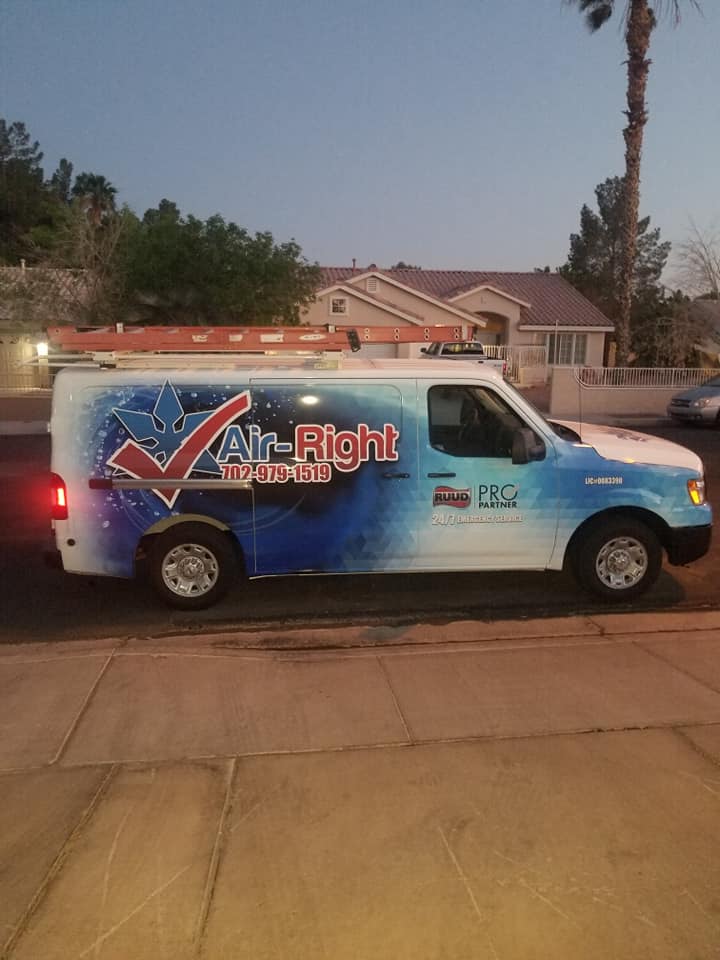
Air-Right

Facing the First Chilly Desert Night of the Year The calendar flips, the desert winds pick up, and suddenly, your thermostat registers that the indoor temperature has plummeted. When you are searching for reliable home…
Facing the First Chilly Desert Night of the Year
The calendar flips, the desert winds pick up, and suddenly, your thermostat registers that the indoor temperature has plummeted. When you are searching for reliable home maintenance tips and troubleshooting strategies, the shift from intense summer heat to a brisk autumn evening is often when hidden system vulnerabilities finally surface. At Air-Right, our dispatch board frequently lights up during the November late-fall heating transition as homeowners face a stressful concrete problem: turning on the heat for the very first time, only to be greeted by an alarming burning smell or a steady stream of lukewarm air. After your system has sat idle on the heating side during a grueling eight-month cooling season, these initial symptoms can easily trigger panic.
If you are unsure whether your system is experiencing a normal start-up quirk or a serious mechanical failure, professional guidance is essential. For comprehensive support with your air conditioning services or to schedule an immediate AC repair service in Las Vegas, our expert team is ready to restore your home's comfort.
Based on our years of hands-on experience, this triage guide is designed to help you make informed, confident decisions before freezing temperatures hit the valley. We will break down exactly what happens inside your HVAC system when it switches modes, helping you distinguish between harmless dust burn-off and a true mechanical emergency that requires our immediate professional intervention.
The Hidden Toll of an 8-Month Las Vegas Cooling Season
To understand why your heating system might struggle during the November late-fall heating transition, you have to look at what it just survived. In mild climates, standard maintenance advice assumes a balanced year—three or four months of cooling, followed by a gentle shift into autumn. In the Las Vegas valley, our technicians know those rules simply do not apply. We see local HVAC systems run almost continuously from early March straight through October, battling extreme thermal loads that push every internal component to its absolute limit.
Surviving over 100 days of triple-digit heat leaves dual-purpose HVAC systems heavily fatigued. While you might already know how to fix an AC not cooling in triple-digit heat, the hidden toll of that summer performance often goes unnoticed until you finally switch your thermostat to "Heat." The Air-Right team consistently notices stress accumulating in several critical areas of your equipment:
- Electrical contactors and relays: These components open and close thousands of times over the summer, leading to pitting and carbon buildup that can interrupt the electrical signal when you try to engage the heating cycle.
- Blower motor fatigue: Pushing heavy, conditioned air through your ductwork for eight straight months degrades motor bearings and strains capacitors, leaving the blower sluggish when it is time to distribute warm air.
- Refrigerant pressure imbalances: Heat pumps rely on precise refrigerant charges to absorb and release heat. Micro-leaks that developed under high summer pressures can leave the system incapable of generating adequate warmth.
- Sensor degradation: Flame sensors and limit switches gather layers of microscopic dust and debris during the long cooling season, often causing the system to short-cycle immediately upon start-up.
When you finally ask your system to reverse its operation and provide heat, you are asking exhausted components to perform a completely different mechanical task. Recognizing this unique regional fatigue is the first step we take when diagnosing early seasonal heating issues.
Normal Start-Up Quirks: Understanding the Burning Dust Smell
We frequently field panicked calls at Air-Right from homeowners who turn on the heat and immediately smell something burning. Fortunately, in the vast majority of cases, this is a completely normal start-up quirk rather than a dangerous emergency. Throughout the long Las Vegas summer, your furnace or air handler remains inactive while the cooling side does all the work. During these idle months, microscopic airborne particles—pet dander, lint, and household dust—bypass the air filter and settle directly onto the cold heat exchanger or electric heating elements.
The Dust Burn-Off Process
When you initiate the first heating cycle of the season, those internal components heat up rapidly. The accumulated layer of organic debris is instantly incinerated, producing a distinct, slightly smoky odor that travels through your ductwork and into your living spaces. This burning dust smell is entirely inevitable, even in immaculately clean homes with high-quality air filters.
The typical timeline: The odor should be most intense during the first five minutes of operation. As the debris fully burns away, the smell will begin to fade, typically dissipating completely within 15 to 30 minutes of continuous operation. Opening a few windows to ventilate the house during this initial test run is usually all that is required.
When to Monitor the Situation
We highly recommend performing this initial test run during a mild afternoon rather than waiting for the first major cold snap. As 40-degree overnight desert lows approach, you want the peace of mind knowing your system has already cleared its internal dust and is operating safely. If the smell persists beyond 45 minutes, or if the odor changes from a dusty smell to the acrid scent of melting plastic, burning rubber, or electrical ozone, shut the system down immediately at the thermostat. These specific odors indicate an electrical short or a failing motor, requiring immediate professional diagnostics from our team.
When to Call a Professional: The Stuck Reversing Valve
While a burning dust smell is usually harmless, a system that blows continuously cold air while set to "Heat" is a serious mechanical failure. For homes equipped with heat pumps—a very common setup in the Las Vegas area that our Air-Right installation teams work with daily—the most frequent culprit during the November late-fall heating transition is a stuck reversing valve.
How the Reversing Valve Works
A heat pump does not generate heat by burning fuel; instead, it moves heat from one place to another. In the summer, it absorbs heat from inside your home and pumps it outside. In the winter, it absorbs ambient heat from the outdoor air and pumps it inside. The component responsible for changing the direction of this refrigerant flow is the reversing valve. It is a heavy-duty brass valve controlled by an electrical solenoid that shifts a sliding mechanism back and forth.
The Impact of Summer Fatigue
Because Las Vegas requires eight consecutive months of cooling, that reversing valve sits locked in a single position for three-quarters of the year. The internal sliding mechanism can become bound by degraded compressor oil, slight corrosion, or mechanical wear. When the thermostat finally sends the 24-volt signal to switch to heating mode, the solenoid engages, but the physical valve refuses to slide. The system turns on, the fans blow, but the refrigerant continues to flow in the cooling direction.
Symptoms of a Failing Valve
- Continuous cold air: The indoor vents blow distinctly cold air, even after the system has been running for 15 minutes in heating mode.
- Strange outdoor noises: You may hear a loud hissing, a repetitive clicking, or a buzzing sound coming from the outdoor condenser unit as the solenoid struggles to move the stuck valve.
- Defrost cycle failures: The outdoor unit begins to accumulate frost or ice because the valve cannot shift to melt it away.
A stuck reversing valve is absolutely not a DIY fix. It involves high-pressure refrigerant lines, high-voltage electrical components, and specialized diagnostic tools. If you experience these symptoms, shut the system off to prevent compressor damage and schedule an AC maintenance and tune-up with one of our licensed technicians who can safely evaluate the internal pressures and electrical signals.
Safe Troubleshooting Steps for Las Vegas Homeowners
Before you pick up the phone to request emergency service from our Air-Right dispatchers, there are several safe, non-technical troubleshooting steps you can perform. A pattern we see often on our service calls is that what appears to be a total system failure is actually a minor airflow restriction or a simple thermostat oversight. Taking five minutes to verify these basic functions can save you the cost and stress of an unnecessary service call.
- Verify thermostat settings: It sounds overly simple, but modern smart thermostats can be complex. Ensure the system mode is explicitly switched to "Heat" (not "Cool" or "Off"). Verify that the fan setting is on "Auto" rather than "On." If the fan is set to "On," it will blow unheated air through the vents continuously, even when the heating cycle is not actively running, creating the illusion of a broken heater.
- Inspect and replace the air filter: After heavy summer usage, your air filter is likely packed with desert dust, pollen, and pet hair. A severely clogged filter restricts airflow, causing the internal heat exchanger to overheat and trip a safety limit switch. This switch will shut the furnace down entirely to prevent a fire. Start the season with a fresh, clean filter.
- Check interior vents and registers: Walk through your home and ensure all supply and return registers are fully open. During the summer, homeowners sometimes close vents in unused rooms to redirect cold air. In the winter, closed vents disrupt the system's static pressure, forcing the blower motor to work harder and potentially causing the system to short-cycle. Make sure no heavy furniture or thick rugs are blocking the airflow.
- Test your safety detectors: As 40-degree overnight desert lows approach and you prepare to run your gas furnace or heat pump continuously, safety is paramount. Test your smoke detectors and carbon monoxide detectors. Replace the batteries if necessary. A gas furnace produces carbon monoxide during the combustion process, and a cracked heat exchanger can allow this odorless gas into your living space. Functional detectors are your first line of defense.
What Qualifies as a True After-Hours HVAC Emergency?
When the temperature drops rapidly, deciding whether to call for immediate after-hours service or wait for regular business hours can be stressful. Triage is about assessing the immediate risk to your property, your health, and your system's integrity. Air-Right maintains rapid readiness to handle sudden breakdowns, demonstrating our capacity for same-day triage and repair when the situation demands it.
One local homeowner called us in a panic after experiencing a total power failure of their system during a 110-degree weekend this past summer. Because of the extreme temperature risk, our team was rerouted for a same-day weekend repair, fully restoring the system before evening. We apply that exact same urgency and dedication to rapid response when winter temperatures drop and your heating system fails.
To help you make the right call as 40-degree overnight desert lows hit the valley, use this comparison guide to evaluate your system's symptoms:
| Symptom or Issue | Wait for Regular Hours (Non-Emergency) | Call for 24-Hour Service (True Emergency) |
|---|---|---|
| Unusual Smells | A dusty, burning hair smell that fades within 15 to 30 minutes of the first start-up. | Persistent smells of melting plastic, burning rubber, electrical ozone, or raw gas. |
| Air Temperature | System takes 5-10 minutes to reach full warmth, but eventually heats the home. | System blows continuously cold air, or the thermostat drops lower while the heater runs. |
| System Noises | A slight pop or ping from expanding metal ductwork as the heat turns on. | Loud metallic grinding, aggressive squealing, or repetitive clicking from the outdoor unit. |
| Total Failure | System won't turn on, but the indoor temperature is a safe, mild 65 degrees. | Total lack of heat during extreme temperature drops, posing a risk to vulnerable family members. |
If your situation falls into the emergency category, do not hesitate to reach out. Delaying a necessary repair can turn a minor electrical short into a catastrophic compressor failure. For immediate assistance, contact our AC repair service in Las Vegas.

Weighing Emergency Repairs Against System Upgrades
Sometimes, a severe breakdown during the November late-fall heating transition is more than just a passing repair—it is a signal that your system has reached the end of its functional lifespan. If your HVAC unit is over 10-12 years old, uses outdated R-22 refrigerant, and requires frequent, expensive interventions just to survive the season, pouring money into another emergency repair may not be the most financially sound decision.
In our years of replacing failing units across Las Vegas, we've found that modern, high-efficiency heat pumps and variable-speed furnaces are engineered to handle the extreme swings of the local climate far better than older, single-stage models. A variable-speed system adjusts its output in precise increments, providing gentle, consistent heating that eliminates the cold spots and heavy energy spikes associated with older units. Upgrading your system not only guarantees reliability during the coldest nights but also significantly reduces your monthly utility burden.
Furthermore, upgrading to modern equipment can offer substantial financial benefits. Federal tax credits may apply to qualifying high-efficiency heat pump installations, making the initial investment much more manageable. At Air-Right, we always advise homeowners to verify current programs with a tax professional to maximize their savings. If you are tired of wondering whether your aging system will survive the night, it may be time to consult with our experts about AC installation and replacement to secure long-term, reliable comfort.
Frequently Asked Questions About Fall HVAC Troubleshooting
Why does my heater smell like it is burning when I turn it on?
The short answer is that dust and airborne particles settle on your system's internal heating elements during the long summer months. When you turn the heat on for the first time, these heating elements get extremely hot, instantly incinerating the accumulated dust. This creates a temporary, dusty burning odor that travels through your ductwork, which our technicians confirm is a completely normal part of the seasonal transition.
How long should a heater smell like burning dust?
A normal dust burn-off smell should begin to fade rapidly and completely dissipate within 15 to 30 minutes of continuous operation. If the smell persists for more than an hour, or if the odor resembles melting plastic, burning electrical wires, or sulfur, shut the system down immediately at the thermostat and call our professionals to investigate for electrical shorts or failing motors.
How do I know if my heat pump reversing valve is bad?
If your reversing valve is stuck or failing, your system will actively blow cold air through your indoor vents even when the thermostat is explicitly set to "Heat." You may also notice strange, repetitive clicking or buzzing noises coming from the outdoor condenser unit as the electrical solenoid struggles to shift the stuck brass valve. Because the valve is sealed within the high-pressure refrigerant line, this requires a licensed technician to diagnose and repair.
What is the most common HVAC problem in the fall?
Our service teams find that the most common issues during the fall transition are stuck heat pump reversing valves and dirty flame sensors. Because Las Vegas systems run in cooling mode for eight straight months, the reversing valve can bind up from lack of movement, and internal sensors can become coated in microscopic dust, causing the system to short-cycle or fail to ignite when heating is finally required.
Is it safe to run my heater if it hasn't been serviced?
Running an unserviced heater poses significant risks to both system efficiency and household safety. Skipping maintenance means operating a system with potentially clogged filters, stressed electrical connections, and unverified safety limit switches. For gas furnaces, an unserviced unit could harbor a cracked heat exchanger, which risks leaking carbon monoxide into your home, making a professional inspection essential before the deep cold arrives.
Secure Your Comfort Before the Next Temperature Drop
As the days grow shorter and the desert winds bring a sharp chill to the air, ensuring your heating system is fully operational is no longer optional. Addressing minor start-up quirks and scheduling necessary diagnostics before 40-degree overnight desert lows become the daily norm is the smartest way to protect your home and your family.
Guessing whether a persistent burning smell is harmless dust or a failing electrical component simply isn't worth the risk. If your system is struggling to deliver warm air, making strange noises, or refusing to turn on altogether, you need clear, regionally accurate answers from local experts who understand the unique stress Las Vegas summers put on HVAC equipment. Reach out to the Air-Right team today for a thorough diagnostic, and enjoy the peace of mind that comes with a safe, reliable, and efficient heating system all winter long.
Need Help?
Contact us today to discuss your needs. Our team is ready to help.
Related Articles
- Why Does My Heater Smell Like Burning? Triage Guide Before Calling 24-Hour Air Conditioning Service in Las Vegas, NV
- Is It a True Emergency? A Triage Guide for 24-Hour Air Conditioning Service in Las Vegas, NV
- Is It a True Emergency? Fall Triage Guide for 24-Hour Air Conditioning Service in Las Vegas, NV
Related articles


Ready to Get Started?
Whether you need a repair, maintenance, or a new installation, our expert team is here to help.