Is It a True Emergency? Understanding Thermal Load vs. 24 Hour Air Conditioning Service in Las Vegas, NV
Air-Right

Why Is My House Still 80 Degrees? Diagnosing Your AC in Extreme Heat Is your thermostat stuck at 80°F even though your system has been running for hours, leaving you wondering if following a thorough seasonal home…
Why Is My House Still 80 Degrees? Diagnosing Your AC in Extreme Heat
Is your thermostat stuck at 80°F even though your system has been running for hours, leaving you wondering if following a thorough seasonal home maintenance checklist could have prevented this? You check the supply vents, and cold air is blowing, but the house simply refuses to cool down to your preferred temperature. This is a highly common scenario for many homeowners during the hottest months of the year. When the afternoon sun is beating down on your roof during a July peak summer in Las Vegas, it is very easy to assume your cooling system is entirely broken.
If you are concerned about your system's performance, exploring professional air conditioning services can provide clarity and help you understand exactly what is happening behind the scenes. However, before you panic, you need to understand the massive difference between a genuine mechanical failure and a system that is simply maxed out by extreme weather conditions.
The Reality of Peak Afternoon Heat
Addressing the immediate panic: Walking into a warm house at 4:00 PM is incredibly stressful. Your first instinct is likely to call for an emergency repair. You might hear the system running continuously and worry that the motor is going to burn out. While a continuously running motor can be a sign of trouble in mild weather, extreme desert heat changes the rules of residential cooling.
Introducing the critical decision point: The most important step you can take as a homeowner is determining if the system is mechanically failing or just fighting an uphill battle against extreme weather. A mechanical failure means a component has broken, stopped working, or lost power. Extreme weather strain simply means the unit is working exactly as designed, but the amount of heat entering your home is greater than the amount of heat the system can physically remove.
Setting realistic expectations is a foundational part of homeownership in the desert. Not every warm house requires an emergency call. By understanding how your system operates at its baseline, you can save yourself unnecessary stress and avoid paying emergency dispatch fees for a unit that is actually working perfectly fine.
What Is the 20-Degree Rule for Air Conditioning?
To truly understand why your home might feel warm during the summer, you have to look at the physical limits of residential HVAC systems. Air conditioners do not create cold air out of nothing; they remove heat from the indoor air and transfer it outside. This process has strict physical and thermodynamic limits, which engineers refer to as the 20-degree rule.
Understanding the Temperature Differential
Defining the 20-degree limit: Standard residential air conditioners are specifically designed to maintain a 20-degree indoor/outdoor temperature differential. This means that your system is built to keep the inside of your home exactly 20 degrees cooler than the outside air temperature. While high-efficiency systems might push this slightly further under perfect conditions, 20 degrees is the industry standard baseline for cooling capacity.
Doing the desert math: Let us look at what this means in reality. If it is 115°F outside during a brutal heatwave, an indoor temperature of 95°F would technically meet the baseline design standard. However, most modern systems push harder than that. If it is 115°F outside and your indoor temperature is sitting at 80°F, your air conditioner is actually performing exceptionally well. It is maintaining a massive 35-degree drop. Expecting a 72°F indoor environment during peak desert heat is physically impossible for the vast majority of standard residential systems.
When the differential fails: If the outside temperature is 100°F and your house will not cool below 85°F, your system is only achieving a 15-degree drop. This indicates that the unit is struggling and losing capacity. When the differential drops significantly below standard performance, that is the exact moment you likely need to schedule professional AC repair service in Las Vegas to restore your system's efficiency.
Thermal Load vs. Mechanical Failure: Knowing the Difference
The term "thermal load" refers to the total amount of heat energy that must be removed from your home to maintain your desired temperature. During the summer, your home absorbs heat through the roof, the windows, the walls, and even from the appliances running inside. When the thermal load exceeds the cooling capacity of your air conditioner, the indoor temperature will naturally rise, regardless of how well the AC is working.
The Impact of the Urban Environment
One major factor that impacts thermal load is the Las Vegas urban heat island effect. Concrete, asphalt, and dense building materials absorb massive amounts of solar radiation during the day. At night, these materials slowly release that heat back into the environment. This keeps nighttime temperatures elevated, preventing homes and AC units from fully recovering and cooling down overnight. Because the home starts the next morning already warm, the thermal load peaks much faster in the afternoon.
Proper building envelope measures can heavily assist your HVAC system in battling this relentless thermal load. Upgrading your windows, sealing air leaks, and improving your attic insulation R-value for desert homes will slow the rate at which heat enters your living space, giving your air conditioner a fighting chance.
Comparing Normal Strain and System Failure
| Symptom | High Thermal Load (Normal) | Mechanical Failure (Abnormal) |
|---|---|---|
| Airflow Temperature | Air blowing from vents feels very cold. | Air blowing from vents feels warm or room temperature. |
| System Cycling | Runs continuously during late afternoon hours. | Short-cycles (turns on and off rapidly) or won't turn on at all. |
| Nighttime Recovery | System catches up and cycles off after the sun goes down. | System continues to struggle and house remains hot all night. |
| Noises | Standard, steady humming of the blower and compressor. | Loud banging, grinding, squealing, or buzzing sounds. |
| Required Action | Close blinds, avoid using the oven, wait for evening. | Turn off the system and schedule a diagnostic repair. |

Four Signs You Do Not Need Immediate Emergency Service
Before you rush to the phone to request an after-hours emergency dispatch, take a few minutes to evaluate your system. Teaching yourself basic self-diagnosis can prevent unnecessary panic and save you from paying premium emergency fees for a non-emergency situation. If you notice the following signs, your system is likely just battling the weather.
Performing a Safe Visual Inspection
- The air from the vents feels cold: Hold your hand up to a supply register. Even if the house overall feels warm, the air coming directly out of the ductwork should feel noticeably cold. If it does, the compressor and refrigerant cycle are actively working.
- You are maintaining the 20-degree differential: Check your thermostat and check your local weather app. If it is 105°F outside and your house is holding steady at 85°F, your system is successfully maintaining the 20-degree indoor/outdoor temperature differential. It is maxed out, but it is not broken.
- The system recovers in the morning: Pay attention to how the unit behaves between 4:00 AM and 8:00 AM. If the system cycles off normally during these cooler early morning hours and reaches your set temperature, the mechanical components are functioning properly.
- Airflow remains strong: Check your air filter. If the filter is clean and the airflow pushing out of the registers remains powerful, your blower motor is doing its job.
Routine seasonal care can often prevent these borderline performance issues from turning into real problems. Scheduling proactive AC maintenance and tune-ups ensures your coils are clean and your refrigerant levels are exact, giving your system the best possible chance to fight off heavy thermal loads.
When to Make the Call: True AC Emergencies in Las Vegas
While a struggling air conditioner is often just a symptom of extreme weather, true mechanical failures do happen. In a desert climate, losing your cooling capacity is not just an inconvenience; it can quickly become a serious safety hazard. You need to clearly identify genuine mechanical failures that pose health risks and require immediate intervention.
Understanding Health Risks and Taking Action
The CDC notes that indoor temperatures exceeding 90°F can significantly increase the risk of heat-related illnesses, especially for vulnerable populations like the elderly, infants, and those with chronic medical conditions. If your home is approaching this threshold, you need to act quickly. Here are the steps to identify a true emergency during a July peak summer in Las Vegas:
- Check for complete power failure: If the unit will not turn on at all during 110°F+ weather, check your breaker panel. If the breaker is not tripped, you have a hard electrical failure that requires immediate professional attention. One local homeowner experienced a complete AC power failure during an extreme 110-degree weekend heatwave. Because safety is paramount, a technician was dispatched for a major same-day repair, with the owner even assisting to ensure the system was back online quickly.
- Listen for dangerous mechanical noises: Sudden, loud banging, metal-on-metal grinding, or high-pitched squealing are signs of catastrophic component failure. Turn the system off immediately to prevent further damage.
- Smell for electrical burning: An acrid, melting plastic, or burning ozone smell coming from your vents or the outdoor unit indicates overheating electrical components. This is a severe fire hazard. Shut off the power at the breaker right away.
- Feel for warm air: If the system is running continuously but warm air is blowing consistently from the supply vents, your compressor has likely failed or you have lost your refrigerant charge.
- Look for ice or water: Visibly frozen evaporator coils inside the home or sudden, heavy water leaks around the indoor air handler indicate a severe airflow restriction or refrigerant leak.
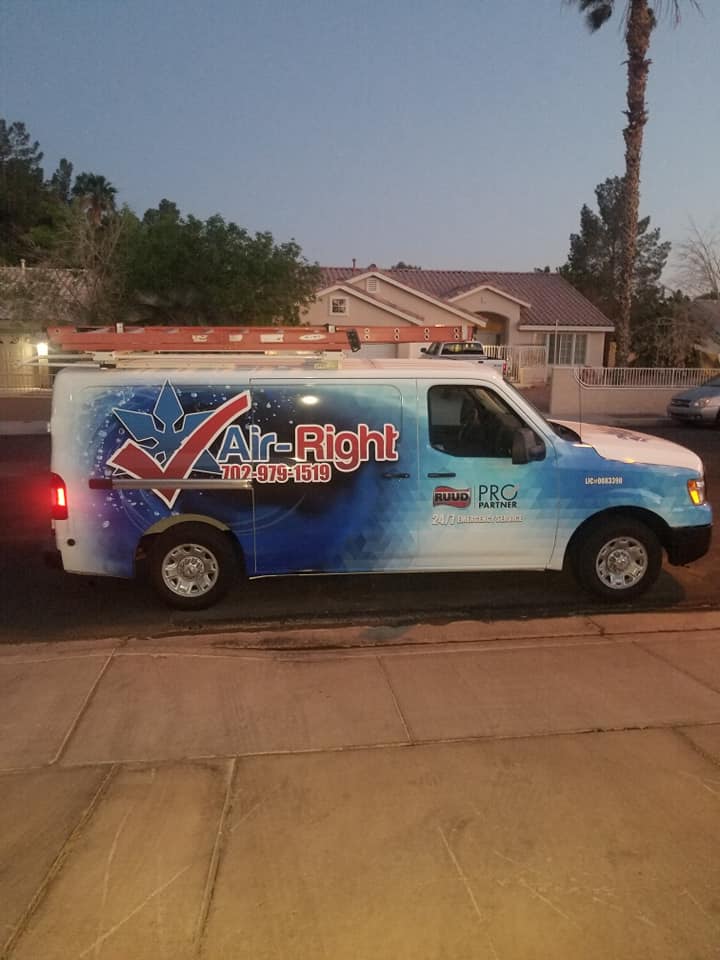
If you experience any of these genuine failure signs, do not wait. You need Henderson AC repair immediately. Air-Right provides fast, reliable 24/7 emergency response specifically tailored to protect Las Vegas residents from dangerous indoor temperatures, ensuring your family stays safe when the worst happens.
What Happens During a Professional Emergency Diagnostic?
When you make the call for a true emergency, you are paying for more than just a quick fix. You are investing in an expert assessment that isolates the root cause of the failure. A professional diagnostic is designed to ensure that the repair lasts, rather than just applying a temporary band-aid to a deeper problem.
Why We Test Before We Recommend
When a technician arrives at your home, their first priority is safety. They will secure the power to the unit and begin a systematic process of elimination. Electrical components are always tested first. Capacitors, contactors, and wiring harnesses are the most common failure points in extreme heat. A skilled technician will always test these smaller components before assuming you have suffered a catastrophic motor or compressor failure.
For example, one customer urgently needed a repair and had been told previously by another party that they needed a completely new draft motor. A technician arrived quickly, performed a thorough diagnostic, and correctly identified that the actual issue was a simple wiring fault. This accurate diagnosis saved the customer significant money by fixing the true root cause instead of replacing expensive parts unnecessarily.
Once the electrical baseline is established, technicians will check refrigerant levels to ensure the system isn't freezing up due to a leak. They will measure the amperage draw of the motors to see if they are overheating. The entire focus remains on restoring safe indoor temperatures as quickly and honestly as possible, using precise testing tools to guarantee diagnostic accuracy.
Frequently Asked Questions About Summer AC Performance
Why is my AC running constantly but not cooling the house?
Continuous operation is entirely normal when outdoor temperatures exceed the system's design limits. When the thermal load on your home is higher than the unit's cooling capacity, the thermostat will never reach its set point, causing the system to run without stopping. The key is to differentiate between normal continuous operation (where cold air is still coming from the vents) and problematic operation (where warm air or very low airflow is present). If the air is cold, the system is just working hard against the weather.
What temperature is considered an AC emergency?
An indoor temperature exceeding 90°F is generally considered an emergency threshold. The CDC outlines that prolonged exposure to indoor temperatures above 90°F significantly increases the risk of heat exhaustion and heat stroke. This urgency increases dramatically for vulnerable populations, such as the elderly, infants, or individuals with respiratory issues, especially during extreme desert heatwaves where nighttime temperatures offer no relief.
Is it bad for my AC to run 24 hours a day in the summer?
No, it is not inherently bad for your system to run for long, continuous cycles. Modern air conditioning systems are actually designed to run for extended periods. Long cycles are much better for the lifespan of the motor than short, frequent cycling (turning on and off every ten minutes). Furthermore, long cycles are necessary for proper dehumidification and overall energy efficiency, as the system draws the most power during the initial startup phase.
Can I spray water on my outside AC unit to cool it down?
You should never spray cold water on a running air conditioner. While it might seem like a quick way to cool off an overheating condenser, this DIY method can cause severe damage. The sudden temperature change can warp the metal fins, and hard water deposits will quickly calcify on the coils, permanently restricting airflow. Furthermore, spraying water into high-voltage electrical components is incredibly dangerous. Proper clearance around the unit and natural shade are much better long-term solutions for condenser efficiency.
How can I help my AC keep up with 115-degree heat?
You can significantly reduce the thermal load on your home by taking a few proactive steps. Close all blinds and blackout curtains on the sun-facing sides of your house to block radiant heat. Avoid running heat-generating appliances, such as ovens, dryers, and dishwashers, during the peak afternoon hours. Finally, ensure your return air filters are completely clean; even a minor layer of dust can restrict airflow and force the blower motor to work harder than necessary.
Make an Informed Decision About Your Cooling Needs
Navigating a brutal desert summer requires a solid understanding of how your home operates. By keeping the 20-degree indoor/outdoor temperature differential in mind, you can evaluate your system's performance objectively. Understanding this fundamental rule saves you time, money, and unnecessary panic when the afternoon sun is at its absolute worst.
However, safety always comes first in extreme desert climates. If you have run through the visual checks and observe the true signs of mechanical failure—such as warm air from the vents, strange grinding noises, or a complete loss of power—do not hesitate. Reach out for an expert diagnostic to ensure your family remains safe and comfortable. A clear, honest explanation of your system's status is the best way to get your home back to normal.
Need Help?
Contact us today to discuss your needs. Our team is ready to help.
Related Articles
- Fall HVAC Checklist: Triage Guide for 24-Hour Air Conditioning Service in Las Vegas, NV
- Is Your Fall Heater Startup a True Emergency? A Guide to 24 Hour Air Conditioning Service in Las Vegas, NV
- Fall HVAC Triage: When to Call for 24-Hour Air Conditioning Service in Las Vegas, NV
Related articles


Ready to Get Started?
Whether you need a repair, maintenance, or a new installation, our expert team is here to help.