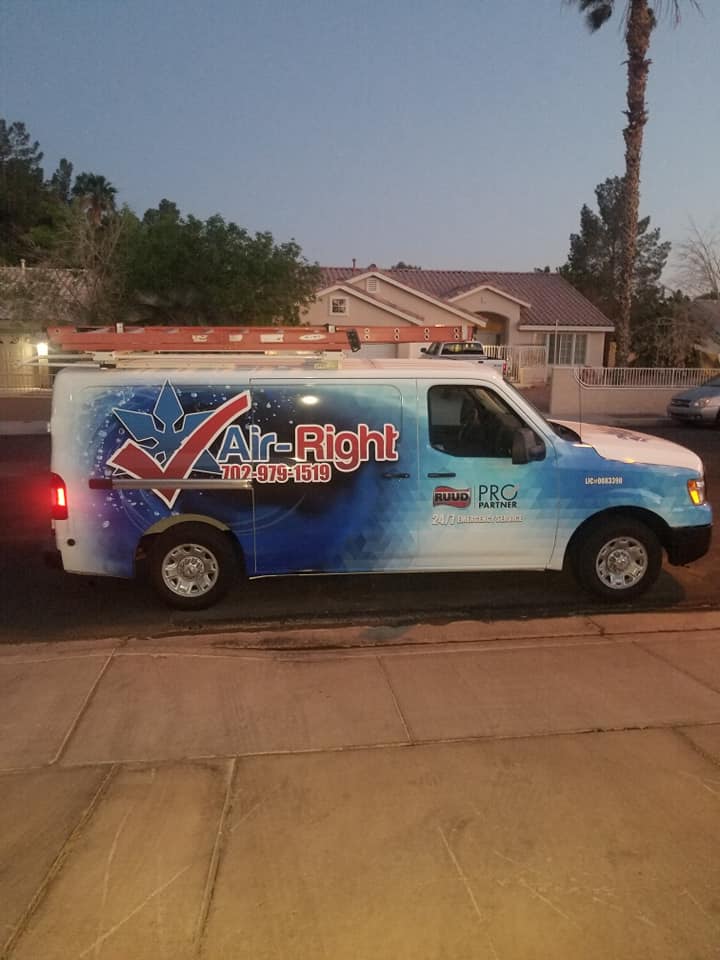
Is It a True Emergency? Triaging 24 Hour Air Conditioning Service in Las Vegas, NV During the Post-Summer Transition
Air-Right

Evaluating Late-Season Cooling Failures in the Las Vegas Valley As September arrives and the intense summer heat begins to wane, focusing on home maintenance tips and troubleshooting becomes critical for homeowners…
Evaluating Late-Season Cooling Failures in the Las Vegas Valley
As September arrives and the intense summer heat begins to wane, focusing on home maintenance tips and troubleshooting becomes critical for homeowners navigating the post-summer transition. At Air-Right, our team has spent years helping Las Vegas Valley residents understand how months of continuous, grueling operation affect their cooling equipment. When a unit runs virtually nonstop from May through August, the components suffer hidden wear and tear that often manifests just as the season changes. Understanding what is happening inside your unit is the first step toward protecting your investment.
If you are experiencing sudden cooling failures, you can learn more about our air conditioning systems or request immediate assistance for 24 hour AC repair in Las Vegas.
The Reality of Summer Recovery
In harsh desert environments, HVAC systems do not simply transition smoothly into fall. They require a dedicated period of "summer recovery." Our technicians frequently see that continuous operation at temperatures exceeding 110°F places extreme thermal stress on electrical components, specifically capacitors and fan motors. By the time September rolls around, these parts are highly susceptible to sudden failure. The central decision point for most homeowners is identifying the difference between a critical safety failure that requires immediate attention and a mild performance drop that can safely wait for normal business hours.
Hidden Wear and Tear
Even if your system appears to be running normally, the internal stress of the summer months leaves behind significant wear. Desert dust infiltrates the cabinet, coating the evaporator coils and insulating the blower motor. This forces the system to work harder, draw more electricity, and run hotter than it should. Evaluating late-season cooling failures requires a neutral, expert approach focused on safety and system preservation. A proactive assessment now prevents catastrophic breakdowns when you least expect them.
What Constitutes a True Air Conditioning Emergency?
Not every cooling issue requires a technician to arrive in the middle of the night. However, certain situations pose immediate risks to your property or your family's safety. When these specific scenarios arise, waiting is not an option. If you are dealing with a severe failure, securing fast, reliable 24/7 emergency response is essential to protect your home. Here is how to identify a genuine HVAC emergency.
Total Power Failure During Extreme Heat
A complete loss of cooling during a heatwave is a clear emergency. Even in September, the Las Vegas Valley can experience dangerous temperature spikes. Just this past summer, our dispatchers sent a technician to a local homeowner who faced a complete AC power failure during a 110-degree weekend. Because waiting wasn't an option in that extreme heat, our team safely restored power and cooling before the house reached dangerous temperatures. If your system will not turn on at all, and the indoor temperature is climbing rapidly, you need immediate professional intervention.
Risks to Vulnerable Occupants
The urgency of an AC failure increases significantly depending on who is inside the home. Elderly family members, infants, and individuals with specific medical conditions are highly vulnerable to heat-related illnesses. If the indoor temperature exceeds safe levels and vulnerable individuals cannot be relocated to a cooler environment, the situation escalates to an emergency. In these cases, reaching out for emergency AC repair in Summerlin or your specific neighborhood is the safest course of action.
Signs of Electrical Hazards
Electrical issues are never something to ignore or delay. If you notice a burning smell coming from your vents, see smoke near the outdoor condenser, or hear rapid, loud clicking noises when the system tries to start, shut the unit off immediately at the thermostat. These symptoms often indicate a failing motor, a burned-out capacitor, or melting wire insulation. Continuing to run the system under these conditions can lead to catastrophic compressor failure or even a localized fire hazard. This requires an immediate 24-hour response.
Symptoms of Severe Post-Summer Wear
As the September post-summer transition begins, your system will often give warning signs before a complete breakdown occurs. In our experience servicing neighborhoods across the Las Vegas Valley, the high-dust environment exacerbates wear on moving parts, making these symptoms incredibly common as the weather shifts. Catching these indicators early allows you to schedule a repair before the issue becomes a late-night emergency.
- Unusual mechanical noises: Grinding, squealing, or loud metal-on-metal sounds usually indicate worn motor bearings. After months of continuous operation, the lubrication in these bearings breaks down, leading to severe friction and eventual motor failure.
- Rapid short-cycling: If your system turns on, runs for only a few minutes, and shuts off without actually cooling the space, it is short-cycling. This places immense stress on the compressor and is often caused by severe overheating or refrigerant pressure imbalances.
- Weak airflow from vents: A dramatic drop in air pressure is frequently caused by severe desert dust buildup on the evaporator coils and blower components. When the blower motor has to push air through a wall of dirt, airflow drops and the coil risks freezing over.
- Thermostat discrepancies: When the indoor temperature never reaches the set point on your thermostat, the system is struggling to remove heat. If you are dealing with this specific issue, reviewing a guide on troubleshooting an AC not cooling in triple-digit heat can provide helpful context.
- Sudden energy consumption spikes: If your September utility bill is drastically higher than previous months, but your usage habits haven't changed, your system is working overtime to compensate for internal wear or failing components.

When Can an AC Repair Wait Until Normal Business Hours?
Understanding when to hold off on an emergency call saves you from unnecessary after-hours anxiety. Many common post-summer issues are inconvenient but do not pose an immediate threat to your home or safety. Here is how our team recommends triaging non-emergency situations that can safely wait until morning.
Mild Decreases in Cooling Efficiency
If your system is still running and the indoor temperature remains safe and tolerable, a slight drop in cooling efficiency is not an immediate emergency. Perhaps the house is sitting at 76 degrees instead of your preferred 72 degrees. While this indicates that the system needs a professional diagnostic to uncover hidden summer wear, it does not require a midnight service call. You can safely turn on ceiling fans, keep blinds closed, and wait for a scheduled appointment.
Isolated Airflow Issues
Sometimes, homeowners notice that one specific room is warmer than the rest of the house, while the main living areas remain comfortable. This is typically a ductwork issue, a stuck damper, or a balancing problem rather than a critical equipment failure. Because the primary cooling unit is still functioning and keeping the majority of the home safe, this localized issue can be addressed during normal business hours.
Minor Condensation Near the Indoor Unit
Finding a small amount of water near the indoor air handler is a sign that the condensate drain line is beginning to clog with summer dust and algae. As long as the condensation is minor and is not actively causing property damage or leaking through ceilings, you can place a towel down and wait for morning. However, if the drain pan is actively overflowing and threatening drywall, the urgency increases.
The Importance of a Professional Second Opinion
Even issues that can wait until morning require accurate professional diagnostics to prevent total failure later. Recently, a local customer called our team at Air-Right for a second opinion after being told they needed a costly motor replacement based on intermittent cooling drops. One of our technicians arrived during normal hours, correctly diagnosed a much simpler faulty wiring issue, and corrected it on the spot. Proper diagnostics ensure you only fix what is actually broken.
Safe Homeowner Troubleshooting vs. Professional Diagnostics
When your system struggles during the September post-summer transition, it is natural to want to fix the problem yourself. However, we always remind our customers that modern HVAC systems contain high-voltage electrical components and pressurized refrigerants. Establishing clear boundaries between what a homeowner can safely check and what requires a licensed professional is vital for your safety.
Safe Homeowner Tasks
Homeowners should always start with the basics. Verifying that the thermostat is set to "cool" and that the batteries are fresh is the safest first step. Next, checking the circuit breaker panel to ensure a breaker hasn't tripped can solve simple power issues. Finally, inspecting and replacing severely clogged air filters is a safe, necessary task that immediately improves airflow and reduces strain on the blower motor.
The Dangers of Unsafe Tasks
Opening equipment access panels, testing electrical components, or attempting to handle refrigerant are strictly unsafe tasks for anyone without a license. The capacitors inside your condenser store a lethal amount of high-voltage electricity, even after the power to the unit is turned off. Attempting DIY electrical work can result in severe injury or cause permanent damage to the compressor. Professional diagnostics are necessary to safely uncover the hidden wear from the summer season.
| Troubleshooting Task | Safe for Homeowners? | Why It Matters |
|---|---|---|
| Replacing the air filter | Yes | Restores proper airflow and prevents the evaporator coil from freezing. |
| Checking thermostat settings | Yes | Rules out simple user error or dead batteries causing communication failures. |
| Resetting a tripped breaker | Yes (Once) | Restores power, but repeated tripping indicates a serious electrical short. |
| Testing the dual run capacitor | No | Requires handling high-voltage components that store dangerous electrical charges. |
| Checking refrigerant pressures | No | Requires EPA certification, specialized gauges, and risks permanent compressor damage. |
The Role of Indoor Air Quality in System Recovery
As the Las Vegas Valley transitions toward cooler weather, addressing indoor air quality (IAQ) is a vital part of system recovery. Our maintenance crews frequently find that the heavy accumulation of desert dust during the summer months significantly reduces the quality of the air circulating through your home. This dust doesn't just settle on your furniture; it gets pulled directly into your HVAC system's return vents.
The Impact of Desert Dust on Efficiency
When desert dust bypasses a standard filter, it coats the wet evaporator coil inside the air handler. This creates an insulating barrier of mud that prevents the system from absorbing heat effectively. Clogged filters and dirty coils force the blower motor to work much harder to push air through the home, drastically increasing the risk of late-season breakdowns. The system simply cannot breathe.
Preparing for Fall Heating
The shift from continuous summer cooling to fall heating requires a clean system to handle cooler desert nights efficiently. If the heat exchanger or heating coils are covered in summer dust, you may experience burning smells or reduced heating capacity when you finally switch the thermostat over. Addressing IAQ now ensures a cleaner, more efficient system. Scheduling routine AC maintenance is critical to clear this buildup, restore optimal airflow, and secure your system's performance for the upcoming season.
Frequently Asked Questions About Late-Season AC Emergencies
Navigating the September post-summer transition often leaves homeowners with specific questions about triage, safety, and system recovery. Below are in-depth answers from our technicians to the most common late-season HVAC concerns in the Las Vegas Valley.
What HVAC maintenance should be done in the fall?
Fall maintenance should focus directly on recovering from extreme summer wear. This includes cleaning the evaporator and condenser coils, checking motor bearings for friction, and testing the electrical draw of capacitors. Additionally, it is time to prepare for heating mode by inspecting the furnace or heat pump components for safety. A thorough cleaning of the blower assembly ensures the system is ready for cooler desert nights. This is also a great time to ask your technician if generic federal tax credits or local utility incentive programs may apply to qualifying high-efficiency heat pump upgrades, though you should always verify current programs with your utility or tax professional.
How do you troubleshoot a thermostat not reaching temperature?
The first step is to check for a dirty air filter that might be restricting airflow and preventing the system from circulating enough cold air. Next, ensure the thermostat is set correctly, is not exposed to direct sunlight, and has fresh batteries. If these basic checks do not resolve the issue, a professional must inspect the system for refrigerant leaks or failing compressor components.
How do I know if my AC is struggling after summer?
A struggling system usually reveals itself through longer cooling cycles and an inability to keep the house at your preferred temperature during the hottest parts of the day. You will likely notice weak airflow from the vents and a sudden increase in your monthly energy bills. Furthermore, listening for new, unusual operational noises—like rattling or humming—can indicate that internal parts are wearing down.
What is a good home maintenance schedule for desert climates?
Because of the severe dust in the Las Vegas Valley, air filters should be checked and replaced every 30 days during peak usage months. Beyond filter changes, we recommend professional tune-ups twice a year. Having a pre-summer inspection ensures the system is ready for the heat, while a post-summer transition check recovers the system from wear and prepares it for winter heating.
Should I turn off my AC if it starts blowing warm air?
Yes, you should immediately turn off the system at the thermostat to prevent further damage to the compressor. Blowing warm air usually indicates a frozen evaporator coil, a refrigerant leak, or a failed condenser fan motor. Continuing to run the system in this state forces the compressor to overheat, which can lead to catastrophic failure. Schedule a diagnostic appointment to identify the root cause safely.
Are weird noises from the condenser an emergency?
Grinding, screeching, or loud buzzing sounds from the outdoor unit indicate an active mechanical or electrical failure. These noises often mean a motor bearing has failed or a contactor is struggling to engage. You should turn off the unit immediately to prevent catastrophic damage and call for professional service, as ignoring these sounds usually results in a much larger repair.
Secure Your System's Transition Before Cooler Desert Nights Arrive
Identifying the difference between an after-hours emergency and a routine maintenance issue saves you time, stress, and unnecessary worry. The September post-summer transition is the most vulnerable time for your equipment, as the hidden wear from months of continuous operation finally catches up to the system. Reaching out for professional diagnostics is the only way to safely recover from this summer wear and ensure your home is prepared for the changing weather. If your system is showing signs of struggle, talk to our local experts at Air-Right today to secure a clear, professionally grounded breakdown of what components need inspection, cleaning, and testing before the cooler desert nights arrive.
Need Help?
Contact us today to discuss your needs. Our team is ready to help.
Related Articles
- Is That Burning Smell an Emergency? A Triage Guide for 24 Hour Air Conditioning Service in Las Vegas, NV
- Is It a True Emergency? A Triage Guide for 24-Hour Air Conditioning Service in Las Vegas, NV
- Fall HVAC Checklist: Triage Guide for 24-Hour Air Conditioning Service in Las Vegas, NV
Related articles


Ready to Get Started?
Whether you need a repair, maintenance, or a new installation, our expert team is here to help.