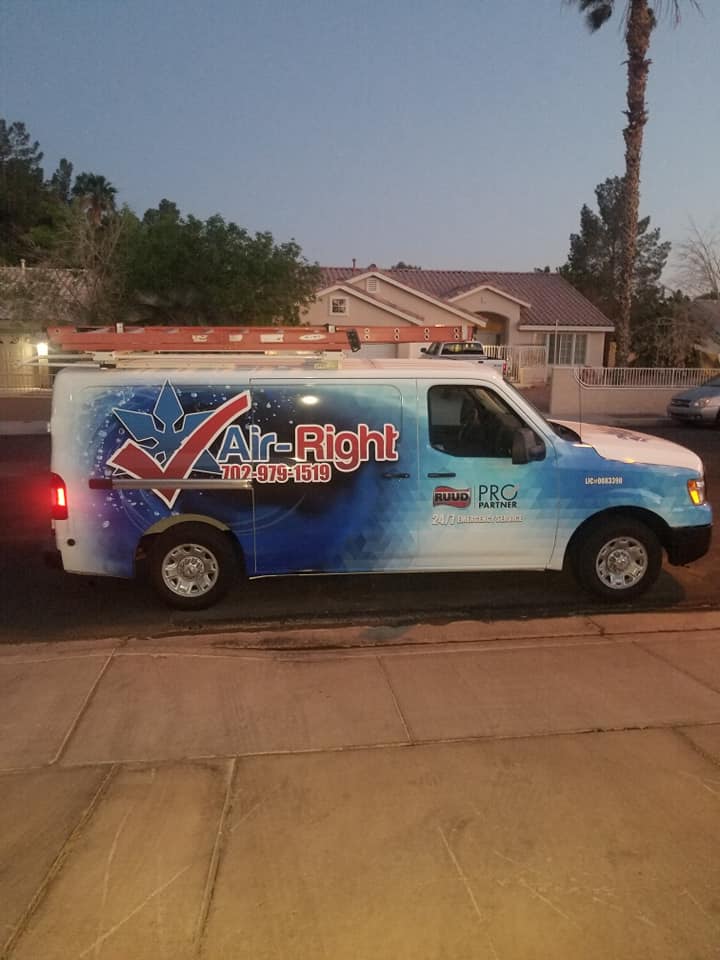
Is It a True Emergency? A Homeowner's FAQ Guide to 24-Hour Air Conditioning Service in Las Vegas, NV
Air-Right

Why Is My AC Running Constantly but Not Cooling My Home? Is your air conditioner running continuously, but your house still feels like an oven? When you are dealing with constant system run-times with inadequate indoor…
Why Is My AC Running Constantly but Not Cooling My Home?
Is your air conditioner running continuously, but your house still feels like an oven? When you are dealing with constant system run-times with inadequate indoor cooling, it is hard not to panic. As we head into the late-summer back-to-school season, this is one of the most common homeowner questions answered by our dispatch team at Air-Right. You are suddenly faced with a critical decision point: determining whether this continuous running is due to severe environmental factors or a failing mechanical component.
In our years serving the Las Vegas Valley, our team has learned that understanding the difference between an overworked system and a broken one can save you from unnecessary after-hours emergency dispatch fees. During August, your cooling equipment is pushed to its absolute limits. Often, homeowners assume the worst when their vents are blowing air that doesn't feel cold enough. However, a system that refuses to shut off is not always suffering from a mechanical breakdown. Sometimes, it is simply fighting a losing battle against the intense outdoor heat.
Before you pick up the phone in a panic, it helps to walk through a basic triage process we recommend to all our customers. By evaluating how your system is performing, checking a few basic household factors, and understanding the realistic limits of residential cooling equipment, you can make an informed decision. If you do find that your system has completely failed, reaching out for professional Air Conditioning assistance from our experienced technicians is the safest next step.
The 20-Degree Rule: Understanding Thermal Load Limits in Extreme Heat
Most homeowners do not realize that standard residential cooling systems are built with specific thermal load limits in mind. According to Department of Energy guidelines, residential air conditioners are designed to maintain a maximum 20-degree temperature differential between the outdoor air and the indoor air. This means your system is built to cool your home by about 20 degrees compared to whatever the thermometer reads outside.
When you live in the Las Vegas Valley, triple-digit heatwaves are simply a part of life. Our Air-Right technicians frequently explain to customers that if the outside temperature climbs to 110 degrees, an air conditioner that manages to keep your indoor temperature at 90 degrees is actually operating exactly as designed. It is running at its maximum design capacity. A system maxed out by extreme thermal load is not necessarily broken; it is just physically incapable of dropping the temperature any further until the sun goes down and outdoor temperatures drop.
How to Help Your System Catch Up
When extreme heat pushes your equipment to its absolute limits, there are several things you can do to reduce the indoor heat generation and take some of the burden off your unit. Every little bit of heat reduction helps your system maintain a tolerable indoor climate.
- Close all blinds and curtains: Block out direct sunlight, especially on south- and west-facing windows, to prevent solar heat gain.
- Avoid using heat-generating appliances: Skip the oven and stove during the hottest parts of the day. Opt for a microwave or cold meals instead.
- Turn off unnecessary lights: Traditional incandescent bulbs generate a surprising amount of heat. Keep the house dim to stay cooler.
- Use ceiling fans strategically: Fans cool people, not rooms. Run them in occupied rooms to create a wind-chill effect, allowing you to tolerate slightly higher indoor temperatures.
| Outdoor Temperature | Maximum Expected Indoor Cooling (20-Degree Rule) | System Status |
|---|---|---|
| 95°F | 75°F | Normal Operation |
| 105°F | 85°F | Struggling but Functional |
| 115°F | 95°F | Maxed Out (Thermal Limit) |
August Monsoonal Dust vs. True Mechanical Breakdown
As the cooling season drags on, your system accumulates significant wear and tear. August late-summer wear is a real phenomenon, particularly in our region. Our maintenance crews frequently see how late-summer monsoon winds sweep through the area, blowing massive amounts of dirt, dust, and debris directly into outdoor condenser coils. This specific combination of high heat and flying debris creates a unique environmental stressor for local HVAC units.
The Problem: When the aluminum fins on your outdoor condenser coil become caked with thick monsoonal dust, the unit loses its ability to transfer heat. The system absorbs heat from inside your home, but the blanket of dirt prevents it from releasing that heat outdoors.
The Cause: Restricted airflow from dirty coils can reduce your system's cooling efficiency by up to 30 percent. Because the unit cannot cool the house efficiently, the thermostat never reaches its target temperature, causing the air conditioner to run continuously without ever shutting off.
The Solution: To an untrained eye, this severe dust buildup mimics a failing compressor or a bad blower motor. The house is hot, the unit is loud, and the system never rests. This is why professional diagnostics are incredibly important. One local homeowner recently called our Air-Right team for urgent service after another company incorrectly diagnosed their struggling system as needing a completely new draft motor. However, when our technician Jaime arrived quickly to provide a second opinion, he identified that the actual culprit was a simple wiring issue alongside heavy debris. By fixing the true underlying cause rather than replacing an expensive motor, the homeowner saved significantly. Investing in an AC Maintenance Tune Up Las Vegas NV ensures that these airflow restrictions are cleared away before they masquerade as catastrophic failures.
Clear Signs You Need 24-Hour Emergency Dispatch
While a struggling system might just need a good cleaning or a break from the afternoon sun, there are specific situations where waiting is not an option. Through our extensive work on Las Vegas properties, we know exactly when a situation escalates from mild discomfort to a true safety hazard requiring immediate intervention.
Here are the clear indicators our dispatchers look for to determine if you need to call for 24-hour emergency dispatch immediately:
- Total loss of power to the unit: If your system completely dies during peak daytime heat and checking the breaker does not restore power, you have an emergency. For instance, one homeowner called us experiencing a complete AC power failure during a 110-degree weekend this past summer. Because the extreme heat posed an immediate risk, our Air-Right team—with the owners stepping in to assist—provided a major same-day repair to resolve the power failure and restore safety.
- Electrical burning smells or sparking: If you smell ozone, melting plastic, or see sparks near the indoor or outdoor unit, shut the system off immediately at the breaker. This is a severe fire hazard that requires urgent professional attention.
- Unusual screeching or grinding noises: A loud, metal-on-metal grinding sound usually indicates that a motor bearing has failed or the compressor is tearing itself apart. Continuing to run the system will cause permanent damage.
- Actively blowing hot air: We are not talking about room-temperature air. If the air coming out of your vents feels heated, like a hair dryer, while the system runs continuously, a major component has failed.
- Vulnerable household members are at risk: If you have elderly family members, infants, or individuals with medical conditions in the home, rising indoor temperatures escalate to a health emergency much faster. Never delay service when safety is on the line.

When Is It Safe to Wait Until Morning for AC Repair?
Nobody wants to sleep in a warm house, but not every cooling issue requires a midnight service call. As a trusted advisor in the Las Vegas community, our goal at Air-Right is to help locals avoid unnecessary emergency fees when a next-day appointment is perfectly safe. If you are dealing with constant system run-times with inadequate indoor cooling, but the situation is not dangerous, waiting for standard business hours is often the smartest financial choice.
It is generally safe to wait until morning if the system is still cooling, albeit slowly, and indoor temperatures remain at a safe, tolerable level as the sun goes down. Once the outdoor temperature drops overnight, the thermal load on your home decreases significantly, making it easier to stay comfortable with ceiling fans and open windows. Additionally, if the cooling issue is isolated to a single room or zone while the rest of the house remains comfortable, it is not a true emergency.
How to Safely Power Down a Struggling Unit
If your system is making strange noises, blowing warm air, or you suspect the evaporator coil has frozen over (indicated by ice on the refrigerant lines), the best thing our technicians recommend is turning it off. Go to your thermostat and switch the cooling mode to "OFF." Then, switch the fan setting from "AUTO" to "ON."
Leaving the fan running while the cooling cycle is off will help circulate air through the house and, more importantly, help thaw out a frozen coil overnight. By powering down a struggling unit, you prevent further mechanical damage from occurring before a technician arrives in the morning. Forcing a failing system to run all night usually turns a minor repair into a major replacement.
Common Late-Summer AC Culprits: Capacitors and Refrigerant Leaks
When August late-summer wear finally takes its toll, a few specific components are usually the first to fail. After months of continuous use during relentless heatwaves, our repair teams typically see the cumulative stress on your system's electrical and mechanical parts reach a breaking point.
Failing Capacitors: Capacitors bear the brunt of the electrical load during high heat. These small, cylindrical components act like a battery, delivering a massive jolt of electricity to jump-start the compressor and fan motors. Because they are highly sensitive to heat, they are often the first parts to fail after a long summer. A dead capacitor will stop the outdoor fan or compressor from running entirely, though you might hear a faint humming or clicking sound. Replacing a capacitor is a fast, straightforward job for a licensed professional.
Refrigerant Leaks: Air conditioning systems do not "use up" refrigerant; it circulates in a closed loop. If your system is low on refrigerant, there is a leak somewhere in the lines or coils. Leaks cause a gradual drop in cooling capacity, forcing the system to run longer to achieve the same results. Eventually, low refrigerant pressure causes the indoor evaporator coil to freeze solid, blocking airflow entirely.
Both of these issues require a licensed professional with specialized equipment to diagnose and repair safely. Handling high-voltage electrical components or pressurized chemical refrigerants is never a DIY project. The value of repairing a leak or replacing a failed capacitor far outweighs the cost of prematurely replacing an entire residential unit. (Keep in mind, if your older system is facing catastrophic failure, generic federal tax credits and local utility incentive programs may apply to qualifying high-efficiency AC or heat pump installations, helping offset upgrade costs). For example, another Air-Right customer experienced a complete motor failure late in the day. Because temperatures were cooling down and the home was safe overnight, they opted to schedule the repair for first thing the next morning, receiving our professional service and great value without the premium after-hours dispatch cost. If you want to learn more about troubleshooting these specific problems, reading up on How to Fix AC Not Cooling in Triple-Digit Heat can provide additional insights.
Frequently Asked Questions About Emergency AC Repair in Las Vegas
What is considered an actual air conditioning emergency in Las Vegas?
Our team considers an actual emergency to be any situation where rising indoor temperatures pose a direct safety risk to the occupants. Complete system failure during triple-digit heatwaves is the most common example. Additionally, if you notice electrical issues, burning smells, or severe water leaks that threaten property damage, you should request immediate dispatch. Protecting your family and your home always takes priority over waiting for standard business hours.
Why is my AC running but not cooling in extreme heat?
The system may have simply reached its maximum thermal load capacity, known as the 20-degree rule. Alternatively, airflow may be severely restricted by dirty indoor filters or dust-caked outdoor condenser coils. If airflow is fine, a refrigerant leak or a failing compressor may be reducing the unit's cooling power, requiring professional testing.
How do I know if my AC compressor is bad?
Listen closely for hard starting, stuttering, or loud metal-on-metal grinding noises coming from the outdoor unit. You should also check if the outdoor fan is running while the unit continues to blow warm air indoors. Note that a bad start capacitor often mimics a bad compressor perfectly, which is why we always perform professional electrical testing to confirm the diagnosis.
Does a dirty condenser coil stop an AC from cooling?
Yes, thick dirt and debris prevent the outdoor coil from successfully releasing absorbed heat into the outdoor air. This forces the system to run longer, drives up your monthly energy bills, and drastically reduces cooling output. Eventually, this severe lack of heat transfer causes the compressor to overheat and shut down completely.
Can I wait until morning for AC repair?
If your home is well-insulated, the sun has set, and indoor temperatures remain tolerable, waiting is usually safe. Use ceiling fans and stay hydrated to remain comfortable overnight. However, be sure to turn off the system entirely if it is making strange noises or blowing hot air to prevent overnight mechanical damage.
Will running a struggling AC overnight cause more damage?
If the system is frozen solid or suffering from a failing motor, forcing it to run continuously can cause catastrophic compressor failure. It is much safer to turn the cooling unit off and run just the indoor fan until a technician arrives. Pushing a broken system past its breaking point often turns a minor repair into a total system replacement.
Get Fast, Reliable Answers for Your Cooling Crisis
Recognizing the difference between maximum thermal load limits and a true mechanical failure empowers you to make the best decisions for your home. When you have a clear, regionally specific explanation from our Air-Right experts on why end-of-summer AC fatigue happens, you can confidently navigate late-season cooling issues. Whether you are dealing with heavy monsoonal dust restricting your airflow or a failing electrical component, knowing when to call our professionals is half the battle.
If you suspect a true breakdown or severe dust restriction is keeping your home uncomfortably warm, do not force the system to keep running. Turn it off, stay cool, and reach out to our local team for a reliable evaluation. For fast, trustworthy diagnostics and to get your home back to a comfortable temperature, schedule your AC Repair Service Las Vegas NV today.
Need Help?
Contact us today to discuss your needs. Our team is ready to help.
Related Articles
- Is It a True Emergency? A Fall Triage Guide for 24-Hour Air Conditioning Service in Las Vegas, NV
- Emergency AC Repair Signs: Navigating Heating-Startup and Fall Maintenance
- Is That Burning Smell an Emergency? Triaging Fall Heating and 24-Hour Air Conditioning Service in Las Vegas, NV
Related articles


Ready to Get Started?
Whether you need a repair, maintenance, or a new installation, our expert team is here to help.