Prepping HVAC for Holiday Guests: Why You Must Schedule Heating Maintenance Before the Thanksgiving Rush
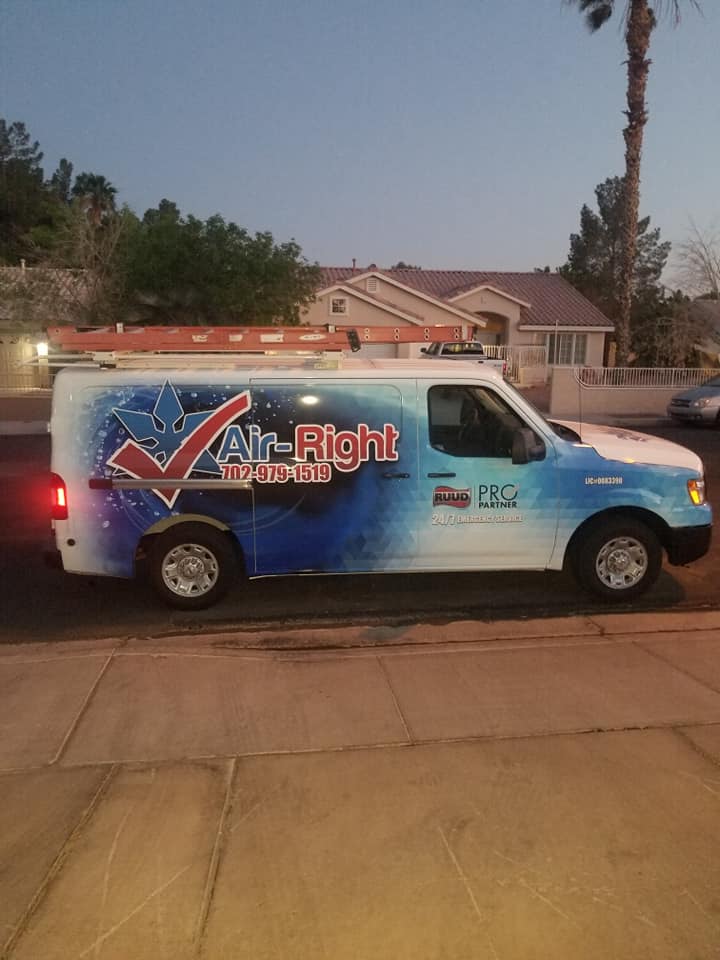
Air-Right

The Sudden Shift: From Dormant Furnaces to a House Full of Relatives Before the first turkey goes into the oven, prepping hvac for holiday guests is the most critical step you can take for a comfortable home. As the…
The Sudden Shift: From Dormant Furnaces to a House Full of Relatives
Before the first turkey goes into the oven, prepping hvac for holiday guests is the most critical step you can take for a comfortable home. As the weather cools down, your home transitions from a quiet, air-conditioned sanctuary to a busy hub filled with out-of-town relatives, cooking heat, and changing indoor temperatures. The last thing you want is to fire up a furnace that has sat dormant for eight months, only to have it fail right as your family arrives. A breakdown during a holiday gathering creates unnecessary stress, poor indoor air quality, and an uncomfortable environment for everyone you are trying to host.
At Air-Right, our technicians see a typical pattern across Las Vegas during the early November pre-Thanksgiving weeks: homeowners wait until the house is freezing to turn on the heat, discovering a serious mechanical issue at the worst possible moment. Being proactive now gives you a massive advantage over the predictable holiday service rush. While you may already rely on our team for your summer Air Conditioning Services, securing professional HVAC maintenance in Las Vegas before the winter chill sets in is equally essential to your family's comfort.
When you schedule early, you take control of your timeline. You avoid the scramble of emergency repairs, ensure your system operates safely, and guarantee that your home remains a welcoming, warm environment for every guest who walks through your door.
Why the Desert Climate Stresses Your Heating System
The transition from summer to winter in the desert is uniquely harsh on mechanical equipment. Your heating and cooling system does not experience a gentle, gradual shift. Instead, it endures extreme extremes. After running at maximum capacity to fight off 115-degree summer days, the heating components sit completely untouched for the better part of a year. Then, suddenly, the system is expected to perform flawlessly when nighttime temperatures dropping into the 40s force you to switch the thermostat over to heat.
The 8-Month Dormancy Effect
When a furnace or heat pump sits idle for two-thirds of the year, several mechanical and environmental issues begin to develop inside the cabinet. These hidden problems rarely resolve themselves and almost always surface during the first true heating cycle.
- Dust and debris accumulation: Over eight months, a thick layer of household dust, pet dander, and airborne particles settles directly onto the heat exchanger, burners, and electrical components.
- Lubrication breakdown: The moving parts within your blower motor and draft inducer can lose their lubrication over time, leading to stiff operation, grinding noises, and increased electrical draw upon startup.
- Thermal shock: Metal components that have been sitting in a neutral or warm state are suddenly exposed to rapid heating and cooling cycles, which can expose weak points or hairline cracks in older heat exchangers.
Because the Las Vegas desert climate demands so much from the cooling side of your equipment, we frequently remind our customers that the heating side needs just as much attention before it is called into action. A sudden drop in temperature puts immediate thermal stress on components that have been asleep since last February.
Beating the Predictable November Service Backlog
If you have lived in the area for a while, you already know how the local HVAC industry operates during the fall transition. There is a predictable rhythm to the service board, and understanding this timeline is the key to skipping the line and keeping your home comfortable.
Here is the typical timeline of the late fall service rush across the Las Vegas Valley:
- Late October (The Quiet Period): The weather is mild. Most homeowners have their windows open and their systems turned off. Service schedules are wide open, making this the perfect time for proactive homeowners to book a tune-up.
- Early November (The First Chill): The first cold night hits. Thousands of homeowners turn on their heaters simultaneously the next morning. A significant percentage of those systems fail to ignite or produce a burning smell that alarms the family.
- Mid-November (The Backlog Begins): Service companies are suddenly flooded with "no heat" calls. Wait times for a technician jump from a few hours to a few days. Parts availability becomes tighter at local supply houses.
- Thanksgiving Week (The Emergency Peak): Homes are packed with guests. The stress of hosting amplifies the frustration of a broken heater. Emergency dispatch fees apply, and wait times are at their longest.
In our years of dispatching technicians throughout the area, the team at Air-Right has seen this wait-time spike happen the exact same way every single year. By scheduling your maintenance before the first major cold snap, you completely bypass the frustration of waiting days for a technician while your guests shiver in the guest bedroom.

First-Cycle Warning Signs: Burning Dust and Ignition Failures
When you finally switch your thermostat to heat during that early November pre-Thanksgiving window, your system will likely give you immediate feedback on its condition. Knowing the difference between a normal startup quirk and a serious mechanical failure is vital for your family's safety.
When to Worry About Odors
The most common complaint during the first heating cycle is a distinct burning smell coming through the vents. In most cases, this is simply the accumulation of summer dust burning off the heat exchanger. This normal burn-off odor usually smells like toasted dust and dissipates within 20 to 30 minutes.
However, not all smells are harmless. If the odor persists for hours, smells like melting plastic, or resembles an electrical fire, shut the system down immediately at the thermostat and the breaker. Persistent electrical smells indicate failing wiring, an overheating blower motor, or a cracked component.
| Symptom | Likely Cause | Required Action |
|---|---|---|
| Brief dusty burning smell | Dust burning off the heat exchanger | Monitor; should fade in 30 minutes |
| Clicking but no heat | Dirty flame sensor or bad igniter | Professional cleaning/replacement |
| Acrid, melting plastic smell | Overheating motor or wiring short | Shut off system immediately |
| System short-cycles rapidly | Clogged filter or blocked airflow | Change filter, open all vents |
Beyond odors, ignition failure is another frequent issue. Modern furnaces use a flame sensor to detect whether the gas has safely ignited. If this sensor is coated in a thin layer of summer grime, it cannot read the flame. The system will shut off the gas valve as a safety precaution, leaving you with cold air blowing from the vents. Diagnosing these specific startup failures requires professional system inspection and testing to ensure every safety switch is operating correctly before your home fills with guests. Our technicians at Air-Right always check these critical safety mechanisms during our fall visits.
Special Considerations for Heat Pumps in the Desert
Because of our specific climate, many homes utilize heat pumps rather than traditional gas furnaces. While heat pumps are incredibly efficient, they have unique maintenance requirements during the seasonal changeover. Unlike a furnace, a heat pump does not have a separate set of burners; it uses the exact same refrigeration cycle as your air conditioner, just run in reverse.
The critical component here is the reversing valve. For the past eight months, this valve has been locked in the cooling position. When you finally ask it to switch over to heating mode as nighttime temperatures dropping into the 40s become the norm, a sticky or failing reversing valve can leave you trapped with cold air blowing into your home.
Furthermore, heat pumps require proper refrigerant levels to extract heat from the chilly outdoor air. If your system developed a micro-leak during the summer, it might have still managed to cool your home adequately, but it will struggle massively to heat it. Checking the defrost cycle controls, verifying the auxiliary heat strips are functional, and testing the reversing valve are all vital steps. If you are unsure what this process entails, reviewing a comprehensive HVAC tune-up checklist can help you understand exactly what technicians look for during these seasonal transitions.
Essential Steps for Ensuring Reliable Holiday Heating
Preparing a home for visitors involves a lot of moving parts. While you handle the grocery shopping and guest room prep, you also need to ensure the mechanical systems of the house are ready for the extra load. Some of these steps are simple homeowner tasks, while others strictly require a licensed technician.
The Homeowner's Pre-Guest Checklist
You can improve your system's performance and indoor air quality right now by taking a few proactive steps around the house:
- Upgrade your air filters: A house full of people means more dust, more cooking smoke, and more foot traffic. Start the holiday season with a brand new, high-quality pleated filter to protect your equipment and keep the air fresh.
- Unblock all vents and registers: When preparing the guest room, it is easy to accidentally push a suitcase rack, an air mattress, or a heavy rug over a floor register. Blocked vents choke the system's airflow, causing the blower motor to overwork and leading to uneven temperatures.
- Check your carbon monoxide detectors: This is a non-negotiable safety step if you have a gas furnace. Press the test button on every detector in the house and replace the batteries before anyone arrives to sleep over.
The Professional's Role:
While changing filters is easy, you should never attempt DIY repairs on complex electrical or gas components. A qualified technician will handle the dangerous work, including measuring gas pressure, testing the amperage of the blower motor, and deep cleaning your HVAC system to remove the baked-on dust from the heat exchanger. Based on the hundreds of tune-ups the Air-Right team performs across the Las Vegas Valley each fall, professional maintenance is the only way to ensure the internal safeties are functioning exactly as the manufacturer intended.
Managing Airflow and Energy Costs When Hosting
Hosting guests dramatically changes the thermal dynamics of your home. Every person inside acts as a small space heater, radiating roughly 250 to 400 BTUs of heat per hour. Add in a hot oven cooking a turkey, boiling pots on the stove, and hot showers running in the guest bathrooms, and your home's internal temperature can rise quickly even if it is freezing outside.
A poorly maintained system will struggle to adapt to these rapid changes during the early November pre-Thanksgiving weeks. You might find that the living room is sweltering while the guest bedrooms remain ice cold. A tuned-up system with clean blowers and optimized airflow responds much better to thermostat adjustments, distributing conditioned air evenly throughout the entire floor plan.
If your Air-Right technician discovers that your aging system is failing its safety inspections and requires replacement, do not panic. Upgrading to a modern, high-efficiency heat pump or furnace often qualifies for generic energy rebates and federal tax credits, helping offset the cost of a sudden replacement. Always verify current incentive programs with your local utility provider or a tax professional to see how an upgrade might benefit your household budget while keeping your guests perfectly comfortable.
Common Questions About Pre-Holiday HVAC Preparation
Why does my heater smell like burning dust when I turn it on?
The smell of burning dust is usually just settled summer debris burning off the heat exchanger. This is a normal part of the first heating cycle and should disappear within 30 minutes. If the smell is acrid, resembles melting plastic, or lasts for several hours, turn the system off immediately and call a professional to check for electrical issues.
When should I schedule winter HVAC maintenance?
You should schedule your maintenance in late October or early November before the first major cold snap hits. Waiting until nighttime temperatures dropping into the 40s force everyone to turn on their heaters creates a massive service backlog. Booking early ensures you get a convenient appointment time and avoids emergency dispatch fees.
How do I prepare my HVAC for winter?
Start by changing your indoor air filter, clearing all vents of furniture or rugs, and testing your carbon monoxide detectors. Next, schedule a professional tune-up to inspect the electrical connections, clean the flame sensor, and verify the heat exchanger is intact. Never attempt to clean internal gas or electrical components yourself.
Why is my heat pump blowing cold air on the first startup?
A heat pump blowing cold air in heating mode often points to a stuck reversing valve or a system stuck in a defrost cycle. Because the valve has been in the cooling position all summer, it can occasionally fail to shift over. It may also indicate a low refrigerant charge, which requires a technician to diagnose and repair.
How often should I change my HVAC filter when hosting guests?
When your home's occupancy increases, you should check your filter every 30 days instead of the standard 90 days. Extra people bring extra dust, pet dander, and airborne particles, which clog filters much faster. A clean filter is the easiest way to protect your system from overheating during heavy holiday usage.
Secure Your Comfort Before the Thanksgiving Rush
The weeks leading up to the holidays are stressful enough without adding a broken furnace to your plate. When you take the time to address your system during that critical early November pre-Thanksgiving window, you buy yourself genuine peace of mind. You will not have to worry about strange burning smells, cold guest bedrooms, or frantic calls to a fully booked service department.
The local service backlog is entirely predictable, which means it is entirely avoidable. Do not wait for the first freezing night to test your equipment. Schedule your comprehensive heating inspection with Air-Right today, secure your spot on the calendar before the rush begins, and focus your energy on enjoying the holidays with your family.
Need Help?
Contact us today to discuss your needs. Our team is ready to help.
Related articles


Ready to Get Started?
Whether you need a repair, maintenance, or a new installation, our expert team is here to help.