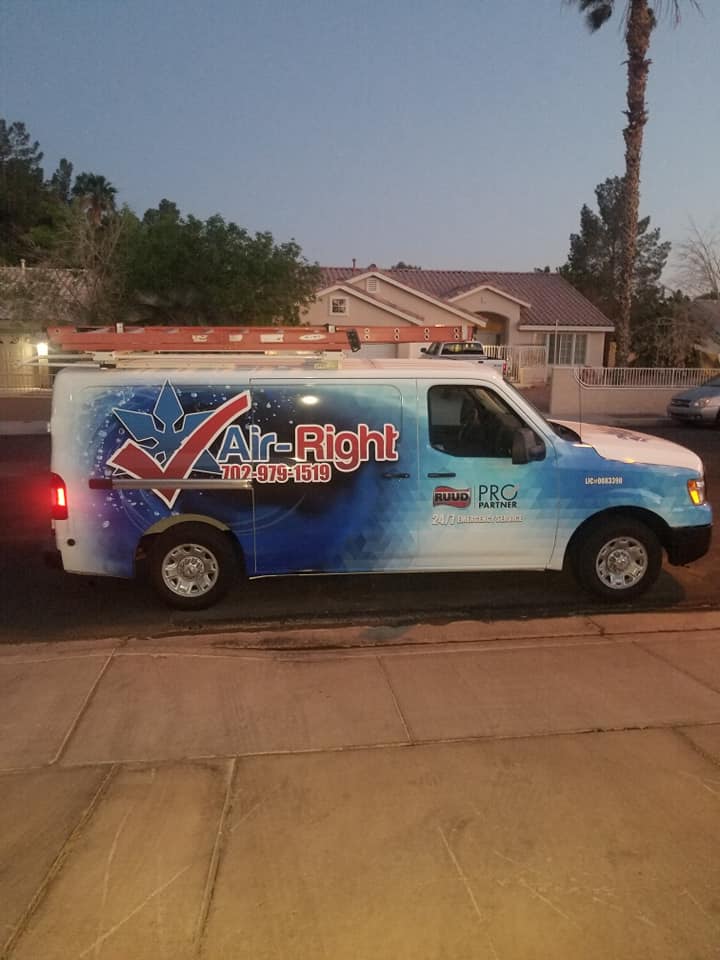
Is It a True Emergency? A Fall Triage Guide for 24 Hour Air Conditioning Service in Las Vegas, NV
Air-Right

Why Does the Las Vegas Fall Transition Stress Your HVAC System? Are you noticing strange smells, unusual noises, or inconsistent temperatures from your vents as the season changes? When searching for home maintenance…
Why Does the Las Vegas Fall Transition Stress Your HVAC System?
Are you noticing strange smells, unusual noises, or inconsistent temperatures from your vents as the season changes? When searching for home maintenance tips and troubleshooting, many homeowners overlook the intense strain the seasonal transition puts on their climate control equipment. The shift from summer to early fall is one of the most demanding periods for any heating and cooling system, especially in extreme desert environments. During a typical September fall-prep routine, our team at Air-Right must account for a unique phenomenon: extreme dual-use demand.
In our experience serving the Las Vegas area, September frequently delivers afternoon high temperatures in the mid-90s, requiring robust air conditioning to keep your home comfortable. However, once the sun goes down, those temperatures can rapidly plummet into the 60s, prompting the thermostat to call for heat. This rapid switching stresses mechanical components, electrical relays, and reversing valves that have already run almost non-stop throughout the grueling summer months. The constant thermal expansion and contraction of metal parts inside the unit can expose hidden wear and tear.
Because your system is working double duty, proper triage becomes absolutely necessary. You need to know how to determine if these sudden transition symptoms are normal operational quirks or signs of an impending breakdown that requires immediate attention. Taking a proactive approach to your Air Conditioning Services ensures that minor seasonal hiccups do not escalate into catastrophic equipment failures just as the colder weather begins to settle in permanently.
The Hidden Culprit: How Desert Dust Impacts Your Fall Transition
The problem: A pattern we see often is homeowners assuming that if their system cooled their house effectively in August, it will heat their house flawlessly in October. Unfortunately, this ignores the unique environmental factors present in the Las Vegas Valley. Airborne fine particulate matter, specifically classified as PM10, heavily loads air filters during the continuous airflow of the summer months. Furthermore, desert soils are highly alkaline and abrasive. As this fine dust gets pulled into your ductwork, it coats internal components, leading to a host of hidden issues.
The cause: Extreme summer airflow forces micro-dust past standard fiberglass filters. Over thousands of hours of operation, this abrasive dust settles directly onto the indoor evaporator coils, the blower motor housing, and the electric heat strips. Because the heating elements sit dormant from April through October, this dust accumulation bakes onto the metal surfaces, creating a thick, insulating layer of debris that restricts airflow and traps heat where it does not belong.
The solution: Simply swapping out a disposable filter in the fall is insufficient for a proper seasonal transition. Addressing this deep-seated desert dust requires professional intervention to clean the internal cabinet and restore proper airflow dynamics. If you suspect your system is heavily impacted by summer dust bypass, securing professional AC Repair Service in Las Vegas is the safest way to ensure the internal components are cleared of abrasive buildup before the primary heating season begins.
Why Standard Filters Aren't Enough in the Desert
Our technicians typically see many homeowners relying on standard one-inch fiberglass filters, assuming they provide adequate protection. While these filters stop large debris like pet hair and carpet fibers, they are virtually transparent to PM10 desert dust. The extreme static pressure generated by a heavily used blower motor easily pulls these microscopic particles through the filter media. Once inside, the alkaline nature of the dust can cause micro-corrosion on copper wiring and aluminum fins, slowly degrading the system's efficiency and lifespan long before you ever turn on the heat.
Triage Scenario 1: Burning Smells When Switching to Heat
One of the most frequent calls we receive at Air-Right during a September fall-prep transition is from homeowners turning on the heat for the first chilly night and immediately smelling something burning. Homeowners understandably panic, fearing a house fire. However, knowing how to properly triage this smell can save you from an unnecessary late-night panic.
When electric heat strips or furnace burners ignite for the first time in months, they immediately incinerate the layer of summer dust that has settled on them. This produces a distinct "burning dust" odor that smells somewhat like a hot hair dryer or a dusty space heater. This specific smell is a normal part of the seasonal transition.
However, if the smell persists or changes in character, you may be dealing with a critical safety hazard. An electrical or melting plastic smell indicates a serious wiring issue, a failing draft inducer motor, or a melting capacitor. If you detect the acrid scent of burning plastic, ozone, or melting rubber, you must shut the system down immediately at the thermostat and the breaker panel to prevent fire hazards. Misdiagnosing electrical issues can be costly and dangerous, making professional diagnosis essential.
Normal Dust Burn-Off vs. Electrical Hazards
- Duration of the smell: Normal dust burn-off typically dissipates within 15 to 30 minutes of continuous heating operation. If the smell lasts longer than an hour, shut the system down.
- Scent profile: Dust burn-off smells earthy or like singed hair. Electrical fires smell sharply of ozone, melting plastic, or burning fish.
- Visual signs: Normal burn-off produces no visible smoke in the living areas. If you see smoke emerging from your vents, turn off the breaker immediately and call for emergency service.
Never attempt to open the air handler cabinet to inspect the heat strips or wiring yourself. High-voltage components retain lethal charges, and touching the wrong terminal can result in severe injury. Always rely on a licensed technician to evaluate persistent burning odors.
Triage Scenario 2: Sudden Breakdowns During Unseasonal Heatwaves
As locals know, the Las Vegas Valley frequently experiences lingering triple-digit days well into early fall. These unseasonal heatwaves strike just when your cooling system is at its most fatigued. After enduring months of relentless operation, vital components like dual-run capacitors, contactors, and condenser fan motors are pushed to their absolute limits.
Summer fatigue often leads to sudden, total failure during these late heat spikes. The signs of an impending breakdown usually appear a few days before the system completely stops. You might notice the system blowing lukewarm air, hear a loud humming noise from the outdoor unit without the fan spinning, or find that the system is repeatedly tripping the circuit breaker. A tripped breaker is a critical warning sign that a component is over-amping and drawing too much electrical current.
If your system fails during a hot afternoon, follow these immediate safety steps to protect your equipment and your home:
- Turn off the thermostat: Do not leave the thermostat calling for cooling if the system is blowing warm air or making strange noises. This can permanently damage the compressor.
- Check the electrical panel: Look for a tripped breaker. You may reset a tripped breaker exactly once. If it trips a second time, leave it off. Repeatedly resetting a breaker can cause an electrical fire.
- Inspect the outdoor unit: Ensure there is no debris, fallen branches, or heavy dust blocking the condenser coils, but do not attempt to open the protective casing.
- Seek professional guidance: Review resources on How to Fix AC Not Cooling in Triple-Digit Heat and contact a professional if the system remains unresponsive.
Triage Scenario 3: The System Fails to Switch Modes
For homes utilizing heat pump systems, the transition from cooling to heating relies on a critical mechanical component: the reversing valve. This brass valve uses an electrical solenoid to shift a sliding mechanism, physically reversing the flow of hot refrigerant gas. After sitting in the "cooling" position for six to eight straight months, this internal slide can become mechanically stuck due to lack of use and slight internal corrosion.
When you switch your thermostat to "heat," the reversing valve must engage. If it fails, the system will continue to blow cold air, even though the thermostat indicates it is heating. Alternatively, the issue may not be mechanical at all, but rather a thermostat miscalibration or a communication failure in the low-voltage wiring between the indoor and outdoor units.
One of the worst things our repair teams see homeowners do in this scenario is rapidly toggle the thermostat back and forth between heat and cool in an attempt to "unstick" the system. This rapid switching forces the compressor to start and stop under immense pressure, a condition known as short-cycling, which can severely damage the compressor motor.
Thermostat vs. Equipment Failure
Before assuming the reversing valve is broken, verify that your thermostat is programmed correctly for the transition. Ensure it is firmly set to "Heat" and that the setpoint is at least three degrees higher than the current room temperature. If the thermostat clicks but the outdoor unit does not respond, or if the outdoor unit turns on but blows cold air indoors, you are likely dealing with an equipment failure. While a stuck reversing valve requires professional diagnostics and refrigerant recovery to replace, it may not always constitute a middle-of-the-night emergency if indoor temperatures remain safe.
Decision Matrix: When Can It Wait vs. When to Call for 24 Hour Air Conditioning Service in Las Vegas?
Knowing when to request emergency service versus scheduling a standard appointment can save you time, stress, and unnecessary after-hours fees. Use this triage decision matrix to evaluate your situation. If you are dealing with an aging system that frequently requires emergency interventions, it may be time to evaluate your AC Installation and Replacement options to restore reliable comfort. Keep in mind that generally applicable energy rebates and federal tax credits may apply to qualifying high-efficiency heat pump installations, making an upgrade more attainable.
| HVAC Symptom | Severity Level | Recommended Action |
|---|---|---|
| Brief burning dust smell (under 30 mins) | Low | Wait until morning; monitor the system to ensure the smell dissipates. |
| Minor airflow reduction or slightly uneven temperatures | Low to Moderate | Wait until morning; schedule a standard transition tune-up. |
| System fails to heat, but indoor temps are above 60°F | Moderate | Wait until morning; use extra blankets and schedule a diagnostic visit. |
| Complete system failure during 90+ degree days | High (Emergency) | Call for immediate 24-hour service to prevent heat-related health risks. |
| Persistent electrical, ozone, or melting plastic smells | Critical (Emergency) | Shut off power at the breaker instantly and call for 24-hour service. |
| System repeatedly trips the circuit breaker | Critical (Emergency) | Leave the breaker off to prevent fire hazards and call for immediate service. |
Ignoring true emergencies carries significant risks, including catastrophic equipment failure, electrical fires, or compromised indoor air quality. When in doubt, leverage reliable, round-the-clock local expertise to restore your comfort safely and quickly.

Professional Preventative Steps for a Safe Winter Transition
Pivoting from reactive triage to proactive maintenance is the smartest way to manage your climate control system. While changing your air filter and keeping the outdoor unit clear of debris are great homeowner habits, DIY step-by-step repairs on internal electrical or refrigerant components are unsafe and can void your manufacturer warranties. A safe winter transition requires the trained eye of a licensed professional.
During a professional September fall-prep tune-up, our Air-Right technicians perform vital tasks that go far beyond a simple visual inspection. We safely clean the electric heat strips to prevent severe dust burn-off, tighten all electrical connections that may have vibrated loose during the summer, and test the reversing valve to ensure it shifts smoothly. We also measure the amp draw on the blower motor and compressor to identify failing components before they cause a sudden breakdown.
The long-term benefits of professional transition maintenance are substantial. By removing the abrasive alkaline dust from your evaporator coils and blower wheel, you drastically improve your indoor air quality and reduce the mechanical strain on the system, which extends its operational lifespan. We highly encourage scheduling your AC Maintenance and Tune-Up before the first freezing desert night occurs, ensuring your system is primed and ready for the cold.
Frequently Asked Questions: Troubleshooting Your Desert HVAC System
Why does my heater smell like burning dust when I turn it on?
This smell occurs because dust settles on the heating elements during the long summer cooling season. When you turn on the heat for the first time in the fall, those elements ignite and burn off the accumulated debris. This earthy, dusty smell is entirely normal and should dissipate within 15 to 30 minutes of operation.
Is a burning smell from my HVAC an emergency?
It depends entirely on the specific scent and how long it lasts. While a brief dusty smell is normal, an odor resembling melting plastic, burning rubber, or electrical ozone is a critical emergency. If you detect these sharp, chemical smells, shut off your system immediately at the breaker and contact a professional.
How often should I change my AC filter in Las Vegas?
Due to the high levels of fine particulate matter (PM10) in the desert, you should check your filter every 30 days and replace it at least every 60 to 90 days. During peak summer usage, or if you live near active construction zones in the valley, our team recommends monthly replacements to maintain proper airflow and protect internal components.
When should I switch my system from AC to heat?
You should switch your system when indoor temperatures naturally drop below your comfort threshold, typically when outdoor nighttime temperatures in the desert fall consistently into the 50s. Avoid rapidly toggling back and forth between heating and cooling on the same day, as this can strain the compressor and reversing valve.
What does routine fall HVAC maintenance include in the desert?
Routine fall maintenance includes clearing abrasive alkaline dust from internal components, testing the reversing valve on heat pumps, and inspecting electrical connections that endure extreme summer heat. A professional will also clean the heat strips and verify that safety sensors are operating correctly before the heavy heating season begins.
Can extreme summer heat cause my AC to fail in the fall?
Yes, summer fatigue is a leading cause of early fall breakdowns. Components like capacitors and blower motors endure immense thermal stress during triple-digit heatwaves, and this accumulated wear and tear often causes them to finally give out during the unseasonal heat spikes common in September.
Restore Your Comfort Safely With Round-the-Clock Local Expertise
Navigating the extreme temperature swings of a desert fall requires vigilance, but at Air-Right, we believe guessing about HVAC safety is never worth the risk. If you are ever unsure whether a strange noise, an odd smell, or a sudden loss of airflow is a true emergency, do not hesitate to reach out to a local expert. Securing professional diagnostics provides a clear, region-specific explanation of your system's health, ensuring your equipment is thoroughly prepped and safe to operate before the harsh winter heating season begins.
Need Help?
Contact us today to discuss your needs. Our team is ready to help.
Related Articles
- Beyond 24-Hour Air Conditioning Service in Las Vegas: Heat Pump vs. Gas Furnace Options for Fall Upgrades
- Is That Burning Smell an Emergency? A Triage Guide for 24 Hour Air Conditioning Service in Las Vegas, NV
- Is It a True Emergency? A Triage Guide for 24-Hour Air Conditioning Service in Las Vegas, NV
Related articles


Ready to Get Started?
Whether you need a repair, maintenance, or a new installation, our expert team is here to help.