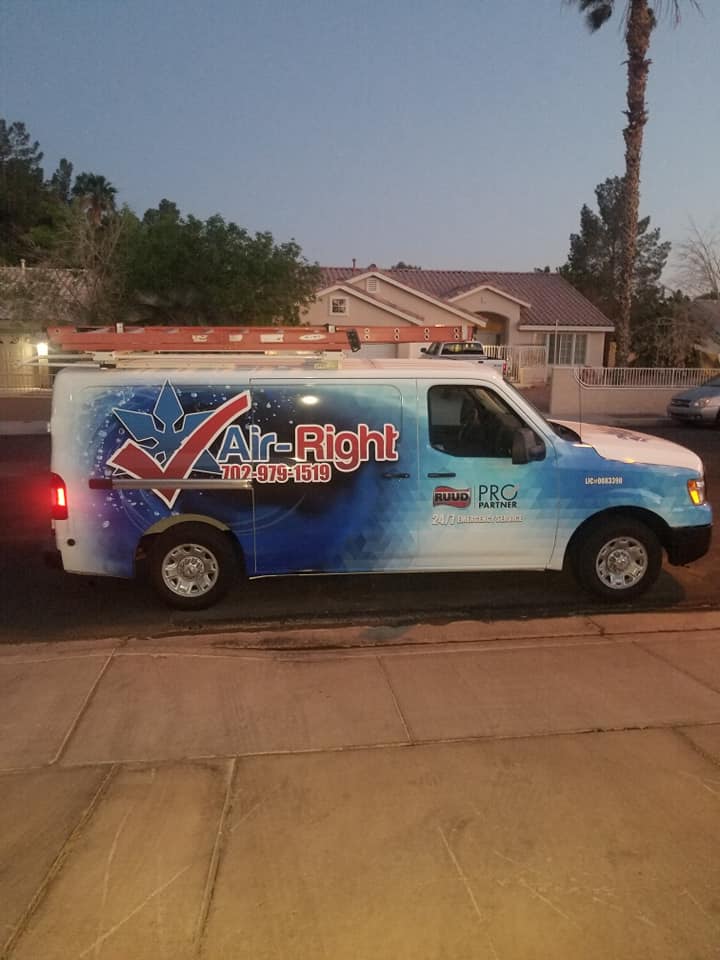
Is It a True Emergency? Home Maintenance Tips and Troubleshooting Before Calling for 24-Hour AC Service in Las Vegas, NV
Air-Right

Why Is My AC Struggling in the Intense Las Vegas Heat? Are you dealing with a sweltering house and wondering if you need immediate repair, or are you simply looking for the right home maintenance tips and…
Why Is My AC Struggling in the Intense Las Vegas Heat?
Are you dealing with a sweltering house and wondering if you need immediate repair, or are you simply looking for the right home maintenance tips and troubleshooting steps to handle the brutal desert heat? It is 4 p.m. on the hottest day of the year, the sun is beating down on your roof, and your thermostat reads 85 degrees inside. When you live in the extreme triple-digit desert heat of Las Vegas, a complete air conditioning failure is a rapid health and safety hazard, not just a minor comfort issue. The immediate reaction we see from our customers at Air-Right is often panic, followed by the assumption that the system is completely broken and requires an expensive after-hours emergency call.
If you need immediate help, explore our air conditioning services or schedule an AC repair service in Las Vegas today.
However, there is a massive difference between a system that is maxed out by extreme thermal load and one that has suffered a genuine mechanical failure. By the time late summer arrives and the back-to-school transition begins, your cooling equipment has been running nearly non-stop for months. This cumulative August late-summer cooling wear significantly exacerbates system performance, making it harder for your unit to keep up with the afternoon sun. Before you make an emergency call, it is crucial to understand how your system operates under extreme stress. By walking through a safe, non-DIY triage process, you can accurately determine if your equipment needs immediate professional intervention from our team or if it is simply doing the best it can against the relentless Mojave Desert weather.
Understanding the 20-Degree Rule During a Heatwave
In our years keeping Las Vegas Valley homes comfortable, the Air-Right team has found that most homeowners do not realize that standard residential air conditioning systems are engineered with specific design limits. In the HVAC industry, this is commonly referred to as the 20-degree rule. This rule dictates that a healthy, properly functioning air conditioner is designed to cool your home to approximately 20 degrees below the outdoor temperature. When the weather outside is mild, this limitation is invisible. But when a severe heatwave strikes, this design limit becomes immediately apparent.
For a concrete example, if the temperature outside reaches a blistering 110 degrees, a perfectly healthy air conditioning system may only be able to cool your indoor air to 90 degrees. If your thermostat is set to 72 degrees, the system will run continuously, never reaching that target. This continuous operation in extreme conditions is completely normal and does not automatically indicate a mechanical breakdown. Understanding this limitation is the first step in learning how to fix an AC not cooling in triple-digit heat, which often involves managing expectations and reducing indoor heat sources rather than repairing broken parts.
What the 20-Degree Rule Means for Your Comfort
Thermal load refers to the amount of heat energy your home absorbs from the sun, hot air infiltration, and internal sources like appliances. When the thermal load exceeds your air conditioner's cooling capacity, the indoor temperature will rise, regardless of how well the equipment is functioning.
- Setting the thermostat lower does not help: Dropping your thermostat to 60 degrees will not make the air coming out of the vents any colder. It simply commands the system to run continuously without stopping, which accelerates wear and tear.
- Continuous running is expected: During peak afternoon heat, your system is supposed to run non-stop to fight the thermal load. Short cycling (turning on and off rapidly) is actually a sign of a problem, while long, steady run cycles are normal in extreme heat.
- Monitor temperatures safely: Instead of obsessing over the thermostat, monitor the temperature of the air coming directly out of your supply vents. If the air is significantly cooler than the ambient room temperature, the system is actively working.
| Outdoor Temperature | Expected Maximum Indoor Cooling (20-Degree Rule) | System Status |
|---|---|---|
| 95°F | 75°F | Normal Operation |
| 105°F | 85°F | Heavy Load (Running Constantly) |
| 115°F | 95°F | Extreme Load (Maxed Out Capacity) |
How to Check if Your AC is Broken or Just Maxed Out
Before you request an after-hours emergency dispatch, our technicians recommend you perform a safe, non-invasive triage check. These steps will help you verify if you are dealing with a true breakdown caused by August late-summer cooling wear or just a system struggling against the peak afternoon sun. Never attempt to open the electrical panel or disassemble the outdoor unit yourself.
- Check your thermostat settings: Verify that the thermostat is explicitly set to "cool" and that the fan is set to "auto." If your thermostat screen is blank, replace the batteries. A dead thermostat cannot communicate with the cooling equipment.
- Inspect the indoor air filter: A severely clogged air filter restricts airflow, causing the indoor coil to freeze over and the system to blow warm air. Pull the filter out and hold it up to a light; if you cannot see light through it, replace it immediately.
- Observe the vent temperature: Place your hand over a supply vent. The air blowing out should feel noticeably cooler than the air in the room. If it is blowing warm or room-temperature air, the compressor outside may not be running.
- Listen for unusual noises: Step outside and listen to your condenser unit. A steady hum is normal. If you hear loud buzzing, clicking, or screeching, a component is likely failing.
- Check the breaker box: Locate your home's main electrical panel and check for any tripped circuits labeled for the AC or HVAC. If a breaker is tripped, you can reset it once. If it trips again immediately, leave it alone—this indicates a serious electrical short.

Clear Signs You Need Immediate After-Hours Help
While a warm house in the late afternoon might just be a sign of an overworked system, there are specific symptoms that guarantee you have a mechanical or electrical failure on your hands. Waiting without cooling during a severe heatwave in the Las Vegas Valley is dangerous, and true electrical failures require immediate professional intervention to protect your home and your family.
Just last late summer, our Air-Right dispatch team helped a customer who experienced a total AC power failure during a 110-degree weekend. Because the system was completely dead during peak heat, we dispatched a technician for a major same-day repair, resolving the issue safely and restoring cooling before the house reached dangerous temperatures. This is a classic example of a true emergency.
Total power failure at the unit: If your thermostat is calling for cooling but the outdoor unit is completely silent and unresponsive, you have lost power or suffered a major component failure. If resetting the breaker once does not solve it, you need emergency service.
Strange electrical smells: If you notice an odor similar to burning plastic, melting wires, or an ozone smell near your vents or the outdoor unit, turn the system off immediately at the thermostat. This indicates overheating wires or a failing motor, which is a significant fire hazard.
Loud banging or screeching: A metallic screeching or loud grinding noise usually points to a failing compressor or a broken fan motor bearing. Continuing to run the system with these noises can destroy the entire unit, turning a manageable repair into a full replacement.
Rapid water leaks: While a small amount of condensation is normal, water leaking rapidly from the indoor unit through your ceiling or onto your floors risks severe property damage. This usually means a cracked drain pan, a deeply clogged condensate line, or a completely frozen evaporator coil melting all at once. In these situations, seeking immediate AC repair in Henderson or your local area is essential.
The Hidden Impact of Late-Summer Wear on AC Components
By the time August arrives, your cooling equipment has been subjected to the cumulative stress of continuous operation since May. This prolonged exposure to extreme heat degrades critical electrical components, making August late-summer cooling wear the leading cause of sudden system breakdowns. The parts working the hardest are often the first to fail.
Because these failures happen under stress, accurate professional diagnosis is critical. In one recent instance, our team was called out for an urgent repair within 90 minutes after another party incorrectly diagnosed a faulty wiring issue as a bad motor. An Air-Right technician arrived quickly, identified the true wiring problem, and fixed the issue correctly. This proper diagnosis saved the customer from an unnecessary and costly motor replacement. Attempting dangerous DIY electrical work or relying on guesswork often leads to worse outcomes.
Why Capacitors Fail in Extreme Heat
The most common casualty of late-summer heat our technicians replace is the run capacitor. This small, cylindrical device acts like a battery, storing electricity to give the compressor and fan motors the massive jolt of energy they need to start up. Capacitors are highly sensitive to thermal overload.
When the outdoor temperature stays above 100 degrees for days on end, the internal oil inside the capacitor expands and degrades. Eventually, the top of the capacitor bulges, and it loses its ability to hold a charge. When the capacitor dies, your fan or compressor will try to start, hum loudly, and then shut off on thermal overload. Replacing a capacitor is a routine fix for a professional, but touching one without properly discharging it can deliver a lethal electrical shock.
When Can an AC Repair Wait Until Regular Business Hours?
Not every cooling issue requires a 24-hour emergency response. Knowing when it is safe to wait can help you avoid unnecessary stress and premium after-hours dispatch fees. If your system is experiencing minor issues but is not posing a safety hazard, you can safely turn the unit off, open some windows once the sun goes down, and call for help in the morning.
Our team advises that if the system is still cooling slightly, even if it cannot reach your desired 72 degrees, it is actively removing some heat from the home. Minor airflow reductions that aren't causing the indoor coils to freeze solid are often related to routine upkeep rather than a sudden, catastrophic breakdown. In the Las Vegas Valley, once the sun sets, the outdoor temperature drops safely overnight, allowing the system to rest and catch up. If you notice these minor performance drops, scheduling routine AC maintenance during normal business hours is usually the best path forward.
| Symptom | Wait Until Morning | Call for Emergency Service |
|---|---|---|
| Airflow | Blowing slightly weaker than normal | Zero airflow coming from vents |
| Temperature | Air is cool, but house is warm | Air is completely warm or hot |
| Noises | Slight rattle from a loose panel | Loud metal-on-metal screeching |
| Smells | Musty or dusty smell when starting | Burning plastic or electrical odors |
Frequently Asked Questions About Emergency AC Service
Is a broken AC considered an emergency?
A broken AC is considered an emergency if the outdoor temperatures pose a health and safety risk to the occupants. In extreme desert climates, a complete loss of cooling can quickly elevate indoor temperatures to dangerous levels, especially for the elderly, infants, or pets. If your system has suffered a total power failure or is emitting burning smells, you should treat it as an immediate emergency.
What temperature is considered an AC emergency?
An indoor temperature exceeding 90 degrees is generally considered an AC emergency, particularly if the outdoor temperatures are still rising. At this level, the risk of heat exhaustion increases significantly. If your indoor temperature is hovering in the low 80s during a 110-degree day, your system is likely just maxed out by the heat, not necessarily experiencing an emergency breakdown.
Why is my AC running constantly but not cooling?
Your AC is likely running constantly because the thermal load of the house exceeds the system's cooling capacity. This is common during peak heatwaves due to the 20-degree rule, where the unit can only drop the temperature so far below the outdoor ambient heat. However, if it is blowing warm air while running constantly, you may have a clogged filter, a dirty condenser coil, or a failed capacitor.
How long can you safely go without AC in 100 degree weather?
You should not go without AC for more than a few hours during the peak heat of a 100-degree day without taking active cooling measures. A well-insulated house will retain its cool air for a short period, but indoor temperatures will eventually equalize with the outdoors. It is vital to stay hydrated, use fans to circulate air, and seek an alternative cool location if the repair will take an extended amount of time.
Does continuous running in August permanently damage my AC unit?
Continuous running does not inherently cause permanent damage, but it does accelerate August late-summer cooling wear on moving parts and electrical components. Systems are designed to run for long cycles, which is actually better for dehumidification than short, rapid cycles. However, this heavy workload means that skipping your annual maintenance makes the system highly vulnerable to sudden component failures like blown capacitors or overheated blower motors, a pattern we see often at Air-Right.
Get Fast, Reliable Help for Your Home Today
Accurately diagnosing your cooling issue is the key to staying safe and comfortable during the hottest months of the year. Whether your system is simply struggling against the intense afternoon sun or you are facing a genuine mechanical failure, you should never risk your safety in dangerous indoor temperatures. Attempting to push a failing system or ignoring electrical smells will only lead to more severe damage down the road.
Working with the Air-Right team gives you the peace of mind that comes with rapid, reliable 24/7 emergency response, specifically designed to restore safe indoor temperatures for desert homes in the Las Vegas Valley. If you are considering upgrading a failing system during this end-of-season cooling period, remember that federal tax credits or local utility incentives may apply to qualifying high-efficiency installations—be sure to verify current programs with your utility provider or a tax professional. If you are in doubt, do not hesitate to reach out for expert triage. Keep these home maintenance tips and troubleshooting strategies in mind, and you will be well-prepared to handle whatever the late summer heat throws your way.
Need Help?
Contact us today to discuss your needs. Our team is ready to help.
Related Articles
- Fall HVAC Checklist: Triage Guide for 24-Hour Air Conditioning Service in Las Vegas, NV
- Is Your Fall Heater Startup a True Emergency? A Guide to 24 Hour Air Conditioning Service in Las Vegas, NV
- Fall HVAC Triage: When to Call for 24-Hour Air Conditioning Service in Las Vegas, NV
Related articles


Ready to Get Started?
Whether you need a repair, maintenance, or a new installation, our expert team is here to help.