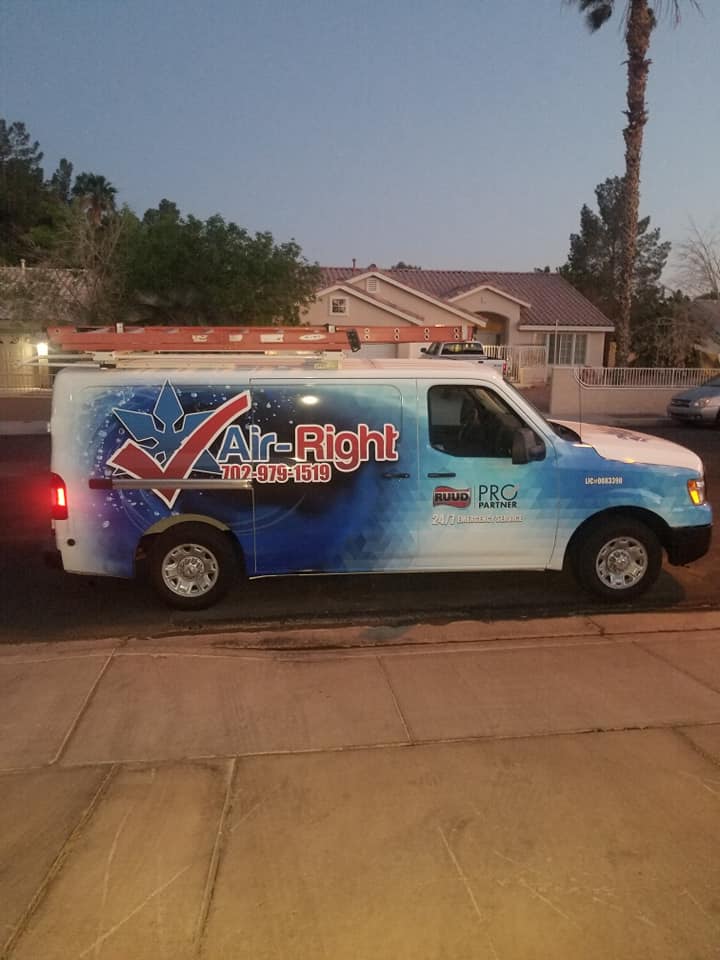
Is It a True Emergency? A Triage Guide for 24-Hour Air Conditioning Service in Las Vegas, NV
Air-Right

Smell Burning Dust? Deciding If You Need 24-Hour Emergency Service Have you ever switched your thermostat to "heat" on the first chilly night of the year, only to be hit with a sudden, alarming odor of burning dust? It…
Smell Burning Dust? Deciding If You Need 24-Hour Emergency Service
Have you ever switched your thermostat to "heat" on the first chilly night of the year, only to be hit with a sudden, alarming odor of burning dust? It is one of the most common homeowner questions answered during a mid-fall October heating startup: is this just a harmless quirk of the season, or a dangerous fire hazard that requires an immediate phone call? When you smell something burning in your home, your first instinct is usually panic. However, extreme desert environments create unique challenges for your heating and cooling equipment that generic advice often misses.
Whether you need comprehensive air conditioning services to wrap up the cooling season or reliable AC repair service in Las Vegas when things go wrong, knowing how to safely triage the situation can save you from unnecessary stress. By understanding exactly what happens inside your ductwork when the seasons change, you can calmly evaluate your system's safety and decide if you need to call for a rapid response.
The Hidden Connection Between Your Summer Cooling and Fall Heating
Most homeowners think of their air conditioner and their furnace as two completely separate appliances. In reality, central air conditioners and furnaces share the exact same indoor air handler, ductwork, and blower motor. This hidden connection is the primary reason your first heating cycle of the year often comes with unexpected odors.
The Problem: In the Las Vegas Valley, the extreme cooling season often lasts up to eight full months. From early spring through late fall, your blower motor works overtime, pushing massive volumes of chilled air through your home to combat the relentless desert heat.
The Cause: During those eight months of continuous operation, your furnace's heating components sit completely idle in the dark. While your air filter does a great job of catching pet hair and large debris, standard filters simply cannot catch 100% of the fine particulate matter (PM10) that is so prevalent in our desert environment. Day after day, microscopic desert silt bypasses the filter and settles directly onto the cold metal surface of your dormant heat exchanger.
The Solution: High summer AC usage directly guarantees a dirty furnace by fall. The massive volume of air moving through the system means that dust accumulation is inevitable. Recognizing this mechanical reality is the first step in understanding why your system behaves the way it does when the weather finally cools down.
Why the First Startup Smells Like Burning
When you initiate that mid-fall October heating startup, a specific physical process takes place inside your HVAC cabinet. Your thermostat sends a signal to the furnace, the igniter glows, the gas valve opens, and the burners fire up. Within minutes, the metal heat exchanger rapidly climbs to temperatures exceeding 400 degrees Fahrenheit.
As that metal heats up, the thick layer of desert dust that accumulated over the summer physically incinerates. Because Nevada desert silt is incredibly fine, powdery, and rich in specific minerals, it creates a very distinct, pungent odor when it burns off. The blower motor then pushes that heated air—along with the smell of the incinerated dust—straight through your ductwork and out of every vent in your home.
What you need to know:
- It is a mechanical reality: A brief, mild dust smell is a standard part of owning a furnace in a dusty climate.
- It is temporary: The settled dust is usually a thin layer that burns away entirely within the first heating cycle.
- It causes unnecessary panic: Because the smell is sudden and travels through the vents into every room simultaneously, it often tricks homeowners into thinking the house itself is on fire.
Reassure yourself that this initial odor is a common occurrence. However, knowing the difference between burning dust and melting wires is critical for your family's safety.
Triage Guide: Normal Dust Burn-Off vs. True Electrical Emergency
Providing a clear framework to differentiate between harmless dust and dangerous electrical burning is essential. You need to know when to let the system run and when to shut it down and request immediate 24-hour service.
Electrical failures are serious events that require urgent attention. For example, one local homeowner experienced a sudden AC power failure during extreme 110° weather on a weekend. Because they recognized the severity of the situation, they called for help immediately and received a major same-day repair to restore their family's safety. The same urgency applies to your heating system in the fall—if you detect signs of an electrical hazard, swift action is required.
| Symptom | Normal Dust Burn-Off | True Electrical Emergency |
|---|---|---|
| Odor Type | Smells like a dusty radiator, dry earth, or hot metal. | Smells like melting plastic, ozone, fish, or acrid chemicals. |
| Duration | Fades and completely dissipates within 15 to 30 minutes. | Persists, intensifies, or returns during subsequent cycles. |
| Visual Signs | None. Air coming from vents looks completely clear. | Visible smoke, soot, or a hazy appearance around the vents. |
| Auditory Signs | Standard fan hum and burner ignition sounds. | Popping, sparking, loud buzzing, or grinding noises. |
When to Shut Down the System Immediately
If you suspect an emergency, do not wait to see if the situation improves. You must take immediate action to protect your home. Shut down the system immediately if you observe any of the following:
- Visible smoke: Even a small amount of smoke coming from your vents or the air handler cabinet is a severe warning sign.
- Popping or sparking sounds: These noises indicate electrical arcing, which is a major fire hazard.
- Intensifying smells: If the burning smell grows stronger after 20 minutes rather than fading away, shut the system off at the thermostat and flip the dedicated breaker switch on your electrical panel to the "off" position.

What to Do While Monitoring Your System
If you have determined that the smell is likely just normal dust burn-off during your mid-fall October heating startup, you still need to monitor the equipment closely. Giving your system a safe trial run requires observation without attempting any dangerous DIY repairs.
Just as you might monitor your outdoor unit when troubleshooting an AC not cooling in triple-digit heat, staying observant during the first heating cycle is crucial. Follow these safe, actionable steps:
- Ventilate the home: Open a few windows to allow the initial wave of incinerated dust to escape. This improves indoor air quality and helps clear the odor faster so you can tell if new smells are developing.
- Check and replace the air filter: A clogged filter restricts airflow, which causes the heat exchanger to run hotter than it should. Ensure your filter is brand new before running the heat for an extended period.
- Stay near the thermostat: Remain in the house and stay relatively close to the air handler for the first 20 to 30 minutes of operation. Do not turn on the heat for the first time and immediately leave to run errands.
- Keep the cabinet closed: Never open the furnace cabinet or attempt to clean the heat exchanger yourself. The interior components contain high-voltage wiring and delicate gas valves that require a licensed professional to service safely.
When to Trust Your Gut and Call for a Professional Diagnosis
Even with a solid triage guide, it is completely normal to feel anxious about a burning smell in your home. Ignoring a persistent odor because you assume it is just dust can lead to severe equipment damage or create a genuine safety hazard for your family. If something feels off, trusting your gut is always the right move.
Modern HVAC systems are highly complex, and symptoms can often be misleading. A complex wiring issue or a failing capacitor can easily masquerade as a simple motor failure or a dirty component. For instance, another local homeowner recently noticed erratic behavior from their system that turned out to be a complete motor failure; by trusting their gut and calling it in quickly, they secured next-day service and had the motor repaired professionally before it caused a total system breakdown.
Highlighting the value of a second opinion or an expert diagnosis is important when your system behaves erratically. In the Las Vegas Valley, where extreme temperatures place immense stress on moving parts, a minor electrical short can escalate rapidly. Peace of mind is a perfectly valid reason to call a professional. If the smell makes you nervous, shut the system down and let a trained technician take a look.
Clearing the Air: The Role of a Pre-Winter System Check
The best way to handle the anxiety of a burning dust smell is to prevent it from happening in the first place. Proactive cleaning of the heat exchanger before the weather drops removes the accumulated summer silt, preventing the burning smell entirely.
Relying on local hometown expertise means working with technicians who understand exactly how the Nevada desert impacts HVAC systems. A generic maintenance checklist might gloss over the heavy PM10 dust buildup we see in the Las Vegas Valley, but localized expertise ensures a faster, more accurate safety check tailored to our unique climate.
When you schedule a professional AC inspection and heating tune-up, the technician does much more than just wipe down the metal. They verify ignition safety, test the gas pressure, and carefully inspect the heat exchanger for microscopic cracks. A cracked heat exchanger can leak deadly carbon monoxide into your home, making this inspection a vital safety verification for desert homes, not just a routine upsell. Clearing the air before winter ensures your system operates safely, efficiently, and odor-free.
Frequently Asked Questions About Fall HVAC Odors
Homeowners often search for quick answers when they encounter unexpected smells during a mid-fall October heating startup. Here are direct answers to the most common concerns.
Why does my heater smell like burning dust?
Your heater smells like burning dust because the heat exchanger has collected fine airborne particles during the long summer cooling season. When you turn on the heat for the first time, the metal components heat up rapidly and physically incinerate that settled dust. This process creates a distinct, temporary odor that is pushed through your vents by the blower motor.
Is a burning smell from the furnace an emergency?
A burning smell from the furnace is not always an emergency, but it depends entirely on the type of odor. A smell resembling a dusty radiator that fades within 30 minutes is normal. However, if the odor smells like melting plastic, ozone, or electrical burning, or if it is accompanied by smoke, it is a strict emergency. Shut the system down immediately and call a professional.
How long should a furnace smell when first turned on in the fall?
A furnace should only smell for about 15 to 30 minutes when first turned on in the fall. Once the initial layer of accumulated summer dust has burned off the heat exchanger, the smell should dissipate completely. If the odor persists beyond an hour or returns every time the heat cycles on, you need a professional inspection.
Can a dusty furnace cause a fire in my Las Vegas home?
While the standard layer of dust on a heat exchanger is unlikely to cause a house fire, excessive debris, restricted airflow from a clogged filter, or dust settling on exposed electrical components can create major safety hazards. Regular maintenance mitigates these risks by ensuring the cabinet is clean and all safety switches are functioning correctly.
What does an electrical burning smell indicate in an HVAC system?
An electrical burning smell indicates that a component inside your HVAC system is overheating, melting, or short-circuiting. This could be a failing blower motor, a fried circuit board, or melting wire insulation. Electrical smells are serious fire hazards and require you to turn off the system at the breaker immediately until a licensed technician can diagnose the fault.
Schedule Your Fall Safety Verification Today
Transitioning from the intense cooling season to a mid-fall October heating startup should bring comfort to your home, not anxiety. While a brief period of dust burn-off is a normal mechanical reality, persistent odors, electrical smells, or unusual noises are never something you should ignore. Prioritizing your family's safety and comfort means taking proactive steps before the cold weather fully sets in.
Don't wait for a chilly night to find out if your system is operating safely. Book your preventative AC maintenance and heating safety verification today. A thorough cleaning and professional inspection will give you the peace of mind you need to enjoy a warm, safe, and comfortable winter season.
Need Help?
Contact us today to discuss your needs. Our team is ready to help.
Related Articles
- Is It a True Emergency? A Triage Guide for 24-Hour Air Conditioning Service in Las Vegas, NV
- Is That Burning Smell an Emergency? Fall Triage Guide for 24 Hour Air Conditioning Service in Las Vegas, NV
- Beyond 24-Hour Air Conditioning Service in Las Vegas: Heat Pump vs. Gas Furnace Options for Fall Upgrades
Related articles


Ready to Get Started?
Whether you need a repair, maintenance, or a new installation, our expert team is here to help.