Summer Recovery: Do You Need 24-Hour Air Conditioning Service in Las Vegas, NV This September?
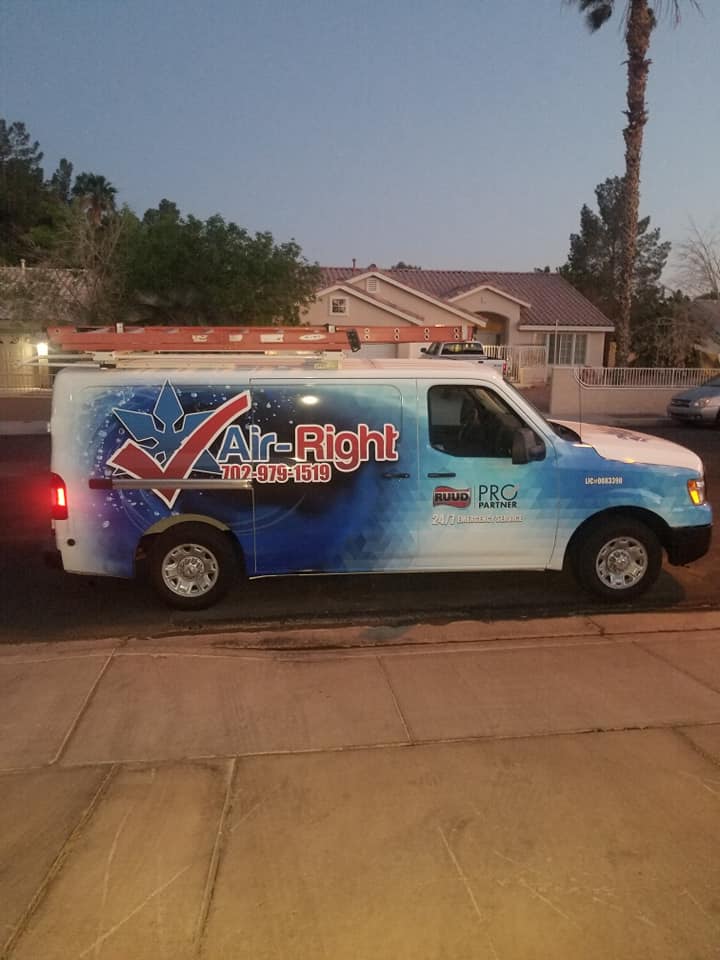
Air-Right

Did the Grueling Summer Heat Push Your Cooling System to the Brink? Are you wondering if your cooling system actually survived the relentless heat, or if it is silently struggling just as the seasons are about to…
Did the Grueling Summer Heat Push Your Cooling System to the Brink?
Are you wondering if your cooling system actually survived the relentless heat, or if it is silently struggling just as the seasons are about to change? When looking for reliable home maintenance tips and troubleshooting, the most important step you can take is assessing the immense strain placed on your equipment after months of continuous operation. As we enter the September early fall transition, your unit requires a specific period of 'summer recovery' before the heating cycle begins. Knowing exactly when to troubleshoot minor issues and when to call for immediate professional help prevents minor wear from turning into a complete system breakdown.
If your unit is failing to keep up with the lingering heat, you may need 24 hour air conditioning service in Las Vegas rather than just basic upkeep for your air conditioning systems.
Assessing the Hidden Impact of a Demanding Summer on Your Equipment
Surviving the peak of summer does not mean your cooling equipment is ready for the seasonal switch. In the Las Vegas Valley, air conditioners often run nearly twenty-four hours a day from June through August. This lack of downtime creates a hidden toll on the internal mechanics of your unit. Homeowners frequently assume that if cold air is still blowing, the system is perfectly healthy. Unfortunately, extreme desert climates accelerate component wear far beyond national averages.
During long, continuous cooling cycles, electrical components like capacitors and contactors bear the brunt of the load. A capacitor stores energy to give the compressor and fan motors the jolt they need to start. When subjected to relentless triple-digit heat and non-stop cycling, these components degrade rapidly. If a capacitor weakens, the motors are forced to pull more amperage, causing them to run hotter and significantly reducing system efficiency. By the time early fall arrives, your equipment is often exhausted and operating far below its rated capacity.
Why Do Extreme Temperatures Accelerate Wear and Tear?
The U.S. Department of Energy notes that HVAC efficiency drops significantly in extreme climates because the equipment is forced to work against a massive temperature differential. When it is 110 degrees outside and you want it to be 75 degrees inside, the mechanical fatigue on the compressor is immense.
This fatigue is compounded by the lack of off-cycle time. Machines need periods of rest to cool down. Without that downtime, the lubricating oils inside the compressor can thin out, leading to increased friction and eventual mechanical failure. Identifying this hidden wear during a summer recovery check is what prevents a sudden breakdown on the first unexpectedly cold night of the year.
Mitigating Fine Desert Dust Before the Heating Cycle Begins
One of the most unique challenges of living in the Las Vegas Valley is the accumulation of fine particulate matter. High-wind summer months blow ultra-fine desert dust into every crevice of your outdoor unit and through your home's ductwork. This isn't standard household dust; it is a highly abrasive, fine powder that easily bypasses basic fiberglass air filters.
When this fine dust accumulates on your indoor evaporator coil and blower motor, it acts like a thick blanket of insulation. This restricts critical airflow, forcing the blower motor to overwork just to push air through the clogged fins. If left unchecked, this restriction can cause the evaporator coil to freeze over, even when the outside temperatures begin to moderate.
To mitigate this issue, homeowners should follow a strict protocol before turning on their heating system:
- Inspect the filter housing: Check for dust bypass, which looks like dirt streaks around the edges of the filter slot. This indicates that fine particles are slipping past the filter frame.
- Upgrade the filtration media: Switch to a pleated filter designed to capture finer particulate matter, but ensure the MERV rating is approved for your specific blower motor to avoid choking the system.
- Clear the blower compartment: Have a professional remove the accumulated summer dust from the blower wheel and heat exchanger.
If this desert dust isn't cleared before the first heating cycle, it will bake onto the heat exchanger. This is what causes that alarming burning dust smell when you turn on your furnace for the first time in the fall.
Triage Guide: Is It a True Emergency or Can It Wait?
During the September early fall transition, the weather can be unpredictable. You might experience a mild 80-degree afternoon followed by a sudden spike back into the high 90s. When your system starts acting up, you need to know whether to request immediate intervention or if you can safely wait for standard business hours.
One homeowner reached out during a 110-degree weekend this past summer when their system suffered a complete power failure. Because they recognized it as a true emergency, owners and technicians routed a same-day repair, getting the system back online before the indoor temperature reached dangerous levels. Air-Right provides fast, reliable 24/7 availability for genuine cooling emergencies across the valley precisely for these scenarios.
| System Symptom | Likely Cause | Recommended Action |
|---|---|---|
| Complete power failure at the thermostat | Tripped breaker, blown fuse, or severed wiring | Emergency: Call for immediate professional repair. |
| Acrid, electrical burning odor from vents | Failing blower motor or melting electrical insulation | Emergency: Shut system off at the breaker and call for service. |
| System runs constantly but cools poorly | Clogged filter, dirty coils, or mild refrigerant leak | Can Wait: Safe to schedule a standard summer recovery tune-up. |
| Strange rattling or buzzing from outdoor unit | Loose fan blade, debris in chassis, or failing contactor | Can Wait: Turn off unit to prevent damage and schedule a diagnostic. |
Signs You Need Immediate Professional Help
A genuine emergency usually involves an electrical hazard or a complete loss of cooling during a lingering heatwave. If your circuit breaker trips repeatedly when the AC tries to turn on, do not keep resetting it. This is a built-in safety mechanism warning you of a dead short or a grounded compressor. If you are troubleshooting an AC not cooling in extreme heat, persistent electrical issues or burning smells mean you must stop immediately and bring in a licensed professional.
Common Misdiagnoses During the Early Fall Transition
Because modern cooling systems are highly complex, a single symptom can point to a dozen different root causes. As systems limp out of the grueling summer, the stress on the equipment can cause overlapping failures. This makes accurate diagnostics absolutely critical for homeowners in the Las Vegas Valley who want to avoid wasting money on the wrong repairs.
A typical pattern we see is the misdiagnosis of electrical faults as catastrophic mechanical failures. Another homeowner in the area previously received a diagnosis from a third party claiming their blower motor had completely failed and needed replacement. However, a fast-arriving technician correctly identified the real issue: a burnt wire that was mimicking a motor failure. Fixing the wiring issue safely restored the system and saved the customer from an expensive, unnecessary motor replacement.
Another dangerous misdiagnosis is the "freon top-off" myth. Air conditioning systems are closed loops; they do not consume refrigerant like a car consumes gas. If your system is low on refrigerant, there is a leak somewhere in the coils or the line set. Simply adding more refrigerant without locating and brazing the leak is a temporary bandage that forces the compressor to work harder as the pressure drops again. Getting proper AC repair service in Henderson ensures that a technician uses specialized electronic leak detectors to find the root cause, rather than just treating the symptom.
Safe Homeowner Upkeep vs. Licensed Professional Tune-Ups
There is a distinct boundary between the maintenance a homeowner can safely perform and the work that legally and safely requires a licensed technician. Crossing that line can void your manufacturer warranty, damage your equipment, or result in severe electrical injury.
During the September early fall transition, you can take control of your indoor air quality and basic exterior upkeep. However, the internal mechanical recovery must be left to the experts.
- Safe Homeowner Task: Clearing outdoor debris. Keep a two-foot clearance around the outdoor condenser. Remove tumbleweeds, dry leaves, and encroaching shrubs that block airflow.
- Safe Homeowner Task: Changing filters. Inspect your indoor air filter monthly. If you hold it up to a light and cannot see through it, replace it immediately.
- Safe Homeowner Task: Checking thermostat batteries. Swap out the batteries in your thermostat before the heating season begins to prevent communication errors.
- Professional Task: Electrical testing. A licensed technician must measure the microfarads of the dual run capacitor and check the voltage drop across the contactor.
- Professional Task: Refrigerant leveling. Handling, recovering, and charging refrigerants requires EPA certification and specialized manifold gauges.
- Professional Task: Internal cleaning. Safely washing the delicate aluminum fins of the evaporator coil requires specific chemical cleaners that won't corrode the metal.
Scheduling routine AC maintenance protects your manufacturer warranties and ensures your system is safe to operate during the upcoming winter. If a professional determines that your system cannot be recovered from the summer damage, remember that generic federal energy rebates or tax credits may apply to qualifying high-efficiency upgrades, helping offset the cost of a new installation.

Frequently Asked Questions About Las Vegas HVAC Summer Recovery
How do I prepare my HVAC system for fall?
Schedule a professional summer recovery tune-up, change your indoor air filters, and clear perimeter debris away from your outdoor unit. In the Las Vegas Valley, preparing for fall means addressing the extreme wear and tear accumulated over the summer months. A technician will inspect the electrical components, clean the blower motor, and ensure the heat exchanger is safe to operate before the first cold night hits.
What are common HVAC troubleshooting steps?
Verify your thermostat settings, check your electrical panel for tripped breakers, and ensure the air filter is clean and unblocked. Many perceived system failures are actually due to a thermostat being set to "fan" instead of "auto," or a heavily soiled filter restricting airflow until the system shuts down to protect itself. If these basic steps do not restore operation, you need a professional diagnostic.
How often should I change my air filter in a desert climate?
Due to the high volume of fine dust, filters should be checked monthly and replaced every 30 to 60 days. The arid environment and high winds push abrasive particulate matter into your home, which clogs standard fiberglass filters rapidly. Upgrading to a pleated filter and changing it frequently is the most effective way to protect your blower motor and indoor air quality.
What is routine maintenance for an HVAC system?
Comprehensive routine maintenance includes detailed cleaning, electrical component testing, airflow measurement, and safety control verification by a licensed technician. It goes far beyond just changing a filter. A proper tune-up involves measuring the amperage draw of motors, inspecting the condition of the refrigerant lines, and verifying that all safety switches are fully operational.
Can I perform HVAC maintenance myself?
Homeowners can manage filters, thermostat batteries, and exterior cabinet cleaning, but opening the cabinet or handling electrical and refrigerant components requires a license. Attempting DIY repairs on high-voltage components or sealed refrigerant lines is highly dangerous and will immediately void your manufacturer's warranty. Always rely on a certified technician for internal mechanical work.
Why does my air conditioner smell like burning dust when the heat turns on?
Dust settles heavily on the heat exchanger during the summer; it burns off during the first heating cycle, highlighting the need for pre-fall cleaning. While a brief burning smell lasting a few minutes is normal for the first cycle of the season, a persistent acrid odor indicates a severe dust buildup or a failing electrical component that requires immediate professional evaluation.
Secure Your Comfort for the Seasonal Transition
Addressing the hidden wear and tear from a grueling summer is the smartest move you can make during the September early fall transition. Waiting until your system refuses to switch over to heating mode often leads to rushed, stressful emergency calls. By prioritizing actionable, region-specific maintenance and mitigating fine desert dust now, you protect your equipment from premature failure and secure your indoor comfort for the months ahead. Don't let summer damage turn into a winter breakdown. Reach out to an expert today to assess your system's readiness, and ensure you have access to reliable 24-hour air conditioning service in Las Vegas when you need it most.
Need Help?
Contact us today to discuss your needs. Our team is ready to help.
Related Articles
- Is It a True Emergency? A Fall Triage Guide for 24-Hour Air Conditioning Service in Las Vegas, NV
- Emergency AC Repair Signs: Navigating Heating-Startup and Fall Maintenance
- Is That Burning Smell an Emergency? Triaging Fall Heating and 24-Hour Air Conditioning Service in Las Vegas, NV
Related articles


Ready to Get Started?
Whether you need a repair, maintenance, or a new installation, our expert team is here to help.