Repair or Replace? Navigating 24-Hour Air Conditioning Service in Las Vegas, NV During Late-Summer Breakdowns
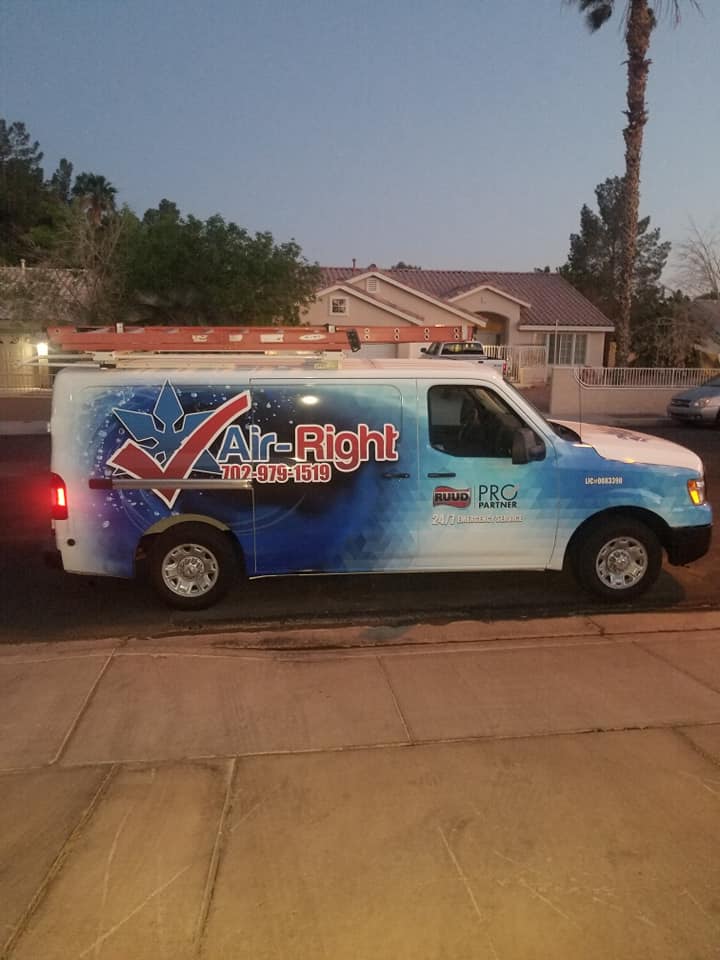
Air-Right

Facing a Late-Summer AC Breakdown: The Ultimate Repair vs. Replace Dilemma Is your aging AC running non-stop but failing to cool your home during this grueling heat, leaving you searching for reliable options…
Facing a Late-Summer AC Breakdown: The Ultimate Repair vs. Replace Dilemma
Is your aging AC running non-stop but failing to cool your home during this grueling heat, leaving you searching for reliable options comparisons for homeowners? When your system fails during late-August end-of-season cooling, you are forced into a high-stakes decision. The grueling triple-digit heat of the desert makes a functioning air conditioner a matter of household safety, not just a luxury. You must decide whether to authorize a major, costly repair just to limp through the final weeks of the season, or replace the entire system right now.
Making the right choice today prevents a mid-July emergency next year. When you need reliable air conditioning solutions, partnering with an expert AC repair service in Las Vegas gives you the clarity you need. This guide provides a clear roadmap for triage and decision-making, helping you weigh the immediate stress of a breakdown against the long-term reliability of your cooling system.
The Weight of the End-of-Season Decision
The timing of a breakdown changes everything. A failure in April offers a different set of choices than a failure in late August. By the end of summer, your equipment has already endured months of continuous, punishing operation. To help you evaluate your situation, consider this basic framework:
| Consideration | Signs Pointing to Repair | Signs Pointing to Replacement |
|---|---|---|
| System Age | Under 8 years old with a valid warranty | Over 10 years old with an expired warranty |
| Repair Scope | Minor electrical component (capacitor, contactor) | Major mechanical failure (compressor, coil leak) |
| Recent History | First breakdown in several years | Multiple service calls this season |
| Cooling Performance | Kept the house perfectly cool before failing | Struggled to keep up with the heat all summer |
Understanding where your system falls on this matrix is the first step in making an informed, confident choice about your home's comfort.
Triage: Identifying a True Cooling Emergency in the Desert
Not every strange noise requires a midnight service call, but a complete loss of cooling in the Las Vegas Valley is a genuine emergency. Triple-digit heatwaves necessitate immediate action because indoor temperatures can spike to dangerous levels within just a few hours. When the sun is beating down on your roof, a home without air conditioning quickly becomes unsafe for children, the elderly, and pets.
One homeowner reached out during a 110° weekend heatwave when their AC suffered a complete power failure. Because round-the-clock availability with rapid, reliable response is critical in this climate, a technician was dispatched immediately to provide a major same-day repair, getting the system functioning again before the indoor environment became hazardous.
Before You Call: The Homeowner's Triage Checklist
Before you request 24-hour emergency service, you should verify that the issue requires a professional technician. Sometimes, a system shutdown is caused by a simple oversight rather than a mechanical failure. Check these three areas safely:
- Verify the thermostat settings: Ensure the display is active, set to "cool," and that the target temperature is significantly lower than the current room temperature. A blank screen usually indicates dead batteries or a tripped float switch.
- Inspect the electrical panel: Check your main circuit breaker box. If the breaker labeled for the air conditioner has tripped, you can attempt to reset it once. If it trips again immediately, leave it off—this indicates a serious electrical short that requires a licensed professional.
- Examine the air filter: A severely clogged air filter restricts airflow so much that the evaporator coil can freeze solid, causing the system to blow warm air or shut down entirely. If the filter is caked with dust, replace it and let the system thaw.
If you have checked these basic items and the house is still heating up, you have a verified emergency. Rapid response is essential to restore your home's safety.
The Late-Summer Band-Aid: Evaluating Short-Term Fixes
When you face a major breakdown during late-August end-of-season cooling, the temptation to authorize a "band-aid" repair is strong. A band-aid fix is a minimum-viable repair designed simply to get the cold air flowing again. While this might seem appealing when you just want to survive the final heatwave of the year, it often leads to wasted resources.
The Problem: Continuous High-Load Stress
By late summer, your air conditioner has been running almost non-stop for months. The compressor has endured thousands of startup cycles, the condenser coils have battled dust and heat, and the electrical components have been operating at maximum capacity. When a major component fails under these conditions, it is rarely an isolated incident. It is usually a symptom of overall system exhaustion.
The Cause: Cascading Component Failure
Fixing one worn-out part on an aging system often places additional stress on the remaining old parts. For example, installing a brand-new, powerful blower motor into a system with a weak capacitor and failing ductwork does not solve the root issue. The continuous high-load operation required to fix an AC not cooling in triple-digit heat will quickly expose the next weakest link in the chain.
The Solution: Weighing Immediate Action Against Future Risk
You must evaluate the long-term viability of a short-term fix. A temporary repair might buy you a few weeks of cooling, but these band-aids routinely fail by the start of the next year's cooling season. When you turn the system back on in May, the underlying wear and tear remains. You are then forced to pay for a full replacement anyway, meaning the money spent on the late-summer repair was entirely wasted. Always weigh the immediate cost of the fix against the high likelihood of future breakdowns.
The Importance of Accurate Diagnosis During an Emergency Call
When your house is hot and you are stressed, you need clarity, not a sales pitch. A proper, honest diagnosis prevents you from authorizing unnecessary replacements or wasting money on doomed repairs. Not all catastrophic-seeming failures require a new unit. Sometimes, a system that sounds like it is tearing itself apart is just suffering from a loose fan blade or a failing contactor.
The Danger of Misdiagnosis: Rushed evaluations during high-volume periods can lead to mistakes. For example, during an urgent service call, one customer had previously been told their system suffered from a bad motor. A technician arrived quickly, correctly diagnosed the real problem as a faulty wiring issue, and completed the repair—saving the homeowner from an unnecessary and highly expensive replacement.
Transparent Options Comparisons: Providing honest, pressure-free options comparisons during emergency calls is the hallmark of a trustworthy service provider. You should receive a clear breakdown of what is broken, what caused it to break, the cost to repair it, and the overall health of the system. This transparency empowers you to make the right choice for your home in the Las Vegas Valley.
The Role of Proactive Care: Regular, thorough inspections catch failing parts before they turn into midnight emergencies. Scheduling emergency AC maintenance and tune-ups earlier in the season ensures that electrical connections are tight, refrigerant levels are exact, and motors are drawing the correct amperage. A well-documented maintenance history also makes it much easier to decide whether a system is worth saving when a breakdown finally occurs.
Making the Call: When Full AC Replacement is the Safest Option
There comes a point where repairing an air conditioner is no longer a sound investment. Knowing exactly when to cross that line requires looking at the physical evidence your system is giving you. National advice often assumes an air conditioner will last 15 to 20 years. However, continuous operation in extreme desert climates significantly reduces an AC's effective lifespan. In our region, a system running constantly through the summer ages much faster.
Here are the primary criteria that indicate a full replacement is your safest option:
- Advanced Age in a Harsh Climate: If your unit is over 10 years old and operating in the desert, it is nearing the end of its reliable lifespan. The internal wear from years of late-August end-of-season cooling cannot be reversed.
- The 50% Rule: A standard industry guideline suggests that if the cost of the repair multiplies by the age of the equipment and exceeds the cost of a new system, replacement is the wiser choice. Alternatively, if any single repair approaches half the value of a replacement, investing in new equipment is safer.
- Frequent Breakdowns: If you have called for Summerlin AC repair multiple times over the last two seasons, your system is signaling that cascading failures have begun.
- R-22 Refrigerant Phase-Out: Older systems utilize R-22 (Freon), a refrigerant that has been phased out of production by the EPA. If an older system develops a refrigerant leak, sourcing reclaimed R-22 is prohibitively expensive, making replacement the only logical financial choice.
Proactive care matters year-round, and sometimes the best time to replace a failing system isn't during a crisis at all. One local customer proactively scheduled a winter service visit to have their AC needs addressed before the heat returned. They received great service during the off-season appointment and requested the same technician for future maintenance. By acting early, they avoided the chaos and stress of a late-summer breakdown entirely.

Financial Considerations: Generic Tax Credits and Efficiency Gains
Upgrading your cooling system is a significant investment, but framing it as a proactive upgrade rather than a reactive emergency expense changes the financial picture. Modern air conditioners are vastly more efficient than the units manufactured just ten years ago. Upgrading to a high-efficiency system provides immediate relief to your monthly energy consumption.
Efficiency and Energy Savings: Today's systems utilize advanced technology, such as variable-speed compressors and improved coil designs, to cool your home using a fraction of the electricity. In the Las Vegas Valley, where the air conditioner accounts for the vast majority of summer energy use, stepping up to a higher SEER2 (Seasonal Energy Efficiency Ratio) rating translates directly to lower utility usage every single month.
Incentives and Tax Credits: To encourage energy efficiency, generic federal tax credits and utility incentives may be available for qualifying high-efficiency cooling upgrades. Programs like the Energy Efficient Home Improvement Credit often apply to advanced heat pumps and top-tier central air conditioners. Because these programs change frequently, you should always verify current rebate structures and incentive availability with your local utility provider or a qualified tax professional. Taking advantage of these generic programs helps offset the initial investment, making a replacement much more attractive than pouring funds into a dying system.
Frequently Asked Questions About Las Vegas AC Emergencies and Replacements
Is it worth repairing a 10-year-old air conditioner?
In extreme climates, a 10-year-old unit is already nearing the end of its effective lifespan due to continuous high-load operation. You should evaluate the cost of the repair against the long-term benefits and energy savings of installing a new, high-efficiency system. Often, investing in new equipment is much safer than repairing an aging unit.
How long do air conditioners last in Las Vegas?
Due to the relentless heat and continuous operation required to cool a home in the desert, lifespans are often shorter than national averages. While a system in a mild climate might last 15 to 20 years, a unit in our region typically lasts between 10 and 12 years. Regular, professional maintenance can help extend this timeframe, but extreme heat inevitably takes a heavy toll on mechanical parts.
When should I replace my AC instead of repairing it?
The standard rule of thumb is to replace the unit if the cost of the repair exceeds 50% of the cost of a new system, or if the unit is over a decade old. Frequent breakdowns, rising monthly energy bills, and the use of phased-out R-22 refrigerant are also major indicators that replacement is the smarter financial choice.
Can a late-summer AC repair last until next year?
While late-summer band-aid fixes can sometimes restore cooling temporarily, they often fail when the system is stressed again the following spring. Pushing an exhausted system through late-August end-of-season cooling usually leads to a secondary failure. Postponing an inevitable replacement often results in paying for both a major repair now and a new system later.
What should I check before calling for 24-hour emergency service?
Before making an emergency call, perform basic troubleshooting to rule out simple issues. Check your thermostat to ensure it has power and is set correctly, inspect your air filter to ensure it isn't completely clogged with dust, and verify that the circuit breaker dedicated to the air conditioner hasn't tripped.
Make the Right Choice for Your Comfort and Safety
Deciding between a late-summer band-aid and a full system replacement is one of the most critical choices you will make for your home. By understanding the severe toll that the Las Vegas Valley climate takes on aging equipment, you can avoid throwing resources at a system that is destined to fail. Making an informed decision ensures your household remains safe and comfortable during the most extreme heatwaves.
If your system is struggling to keep up and you are tired of constant breakdowns, it is time to seek professional guidance. Schedule an expert evaluation today to receive honest, pressure-free advice, and let a trusted local professional help you find the most reliable cooling solution for your home.
Need Help?
Contact us today to discuss your needs. Our team is ready to help.
Related Articles
- Fall HVAC Checklist: Triage Guide for 24-Hour Air Conditioning Service in Las Vegas, NV
- Is Your Fall Heater Startup a True Emergency? A Guide to 24 Hour Air Conditioning Service in Las Vegas, NV
- Fall HVAC Triage: When to Call for 24-Hour Air Conditioning Service in Las Vegas, NV
Related articles


Ready to Get Started?
Whether you need a repair, maintenance, or a new installation, our expert team is here to help.