Is It a True Emergency? A Fall Triage Guide for 24-Hour Air Conditioning Service in Las Vegas, NV
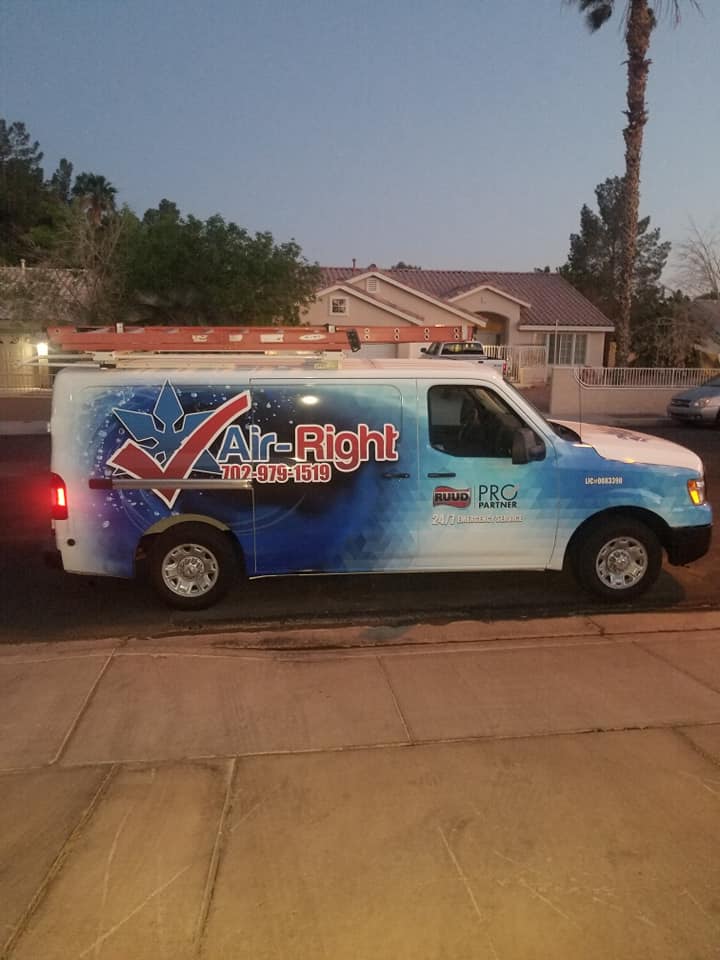
Air-Right

Navigating the October HVAC Shift in the Desert October in the Las Vegas Valley brings a welcome shift in the weather, but safely managing this transition requires reliable local service expertise and area tips to keep…
Navigating the October HVAC Shift in the Desert
October in the Las Vegas Valley brings a welcome shift in the weather, but safely managing this transition requires reliable local service expertise and area tips to keep your home comfortable without damaging your equipment. The arrival of cooler weather is a massive relief after months of relentless heat, but it also introduces a hidden risk for homeowners: switching an overworked, fatigued HVAC system from cooling to heating for the very first time in months.
At Air-Right, our team sees this exact scenario play out every year. During the October fall transition, your system faces a unique mechanical hurdle. The cooling components are exhausted, while the heating elements have sat dormant, gathering dust since early spring. When you finally adjust your thermostat to combat that first chilly evening, you are asking a stressed machine to pivot its operation entirely. This sudden change in demand is exactly when hidden wear and tear reveals itself, often resulting in sudden breakdowns.
The crucial decision point for any homeowner during this seasonal shift is triage. You need to know whether a sudden malfunction requires immediate, middle-of-the-night attention to protect your family from dropping indoor temperatures, or if it is a minor hiccup that can wait for a scheduled daytime inspection. Making the right call prevents unnecessary panic while ensuring your equipment doesn't suffer further damage from being run in a compromised state.
Whether you are looking to schedule proactive air conditioning services to prepare for the season or you find yourself needing a reliable 24-hour AC repair service in Las Vegas, understanding your system's mechanical limits is the first step toward a seamless, comfortable winter.
How Summer Heat Taxes Shared HVAC Components
Most homeowners in the Las Vegas Valley assume that because they haven't used their heater all summer, the heating system is fresh, rested, and ready to perform flawlessly. Our technicians know the reality of modern HVAC design tells a different story. While the specific heating elements—like the gas burners or the heat pump's reversing valve—have indeed been dormant, several critical components are shared between both the cooling and heating cycles. These shared parts have been running continuously for months.
Understanding how these shared components degrade over the summer helps explain why your system might fail the moment you ask it to produce warm air.
The Blower Motor's Endless Marathon
Your system's blower motor is the workhorse of your indoor comfort. Its job is to push treated air through your ductwork and into your living spaces. Whether that air is chilled to 70 degrees in July or warmed to 72 degrees in October, the exact same blower motor is doing the heavy lifting. After battling triple-digit heat for months on end, the motor's bearings can become worn, and its electrical windings can suffer from thermal fatigue. When you switch to heating mode, the blower motor often has to push air over a newly engaged, highly restrictive heat exchanger, adding even more resistance to an already tired component.
Capacitor Drain and Electrical Fatigue
Capacitors act like powerful batteries that deliver the massive jolt of electricity needed to start your heavy HVAC motors. Throughout the summer, these cylindrical components sit outside in baking temperatures while rapidly discharging and recharging dozens of times a day. Heat is the natural enemy of a capacitor. By the time the October fall transition arrives, a capacitor may be operating at a fraction of its original capacity. The sudden mechanical shift required to start the heating cycle can be the final straw, causing a weakened capacitor to fail entirely.
If you spent part of your summer troubleshooting an AC not cooling in triple-digit heat, your system has already demonstrated signs of severe operational stress. The same underlying fatigue that caused summer performance drops will directly impact your system's ability to safely initiate the heating cycle.
Evaluating the Impact of 30-Degree Temperature Swings
In our years of servicing local homes, Air-Right has found that the desert climate presents a highly specific challenge that most other regions do not experience: extreme daily temperature fluctuations. In the Las Vegas Valley, it is entirely common for daytime highs to reach the mid-80s, only to plummet into the low 50s after the sun goes down. These desert nighttime temperature drops force your HVAC system into a chaotic operational pattern.
During the day, the system may still need to run short cooling cycles to manage solar heat gain through your windows. A few hours later, the thermostat detects a rapid drop in ambient temperature and calls for heat. This constant toggling back and forth prevents the system from settling into a steady, efficient rhythm. The rapid thermal expansion and contraction of metal components—heating up during the day and rapidly cooling at night—can loosen electrical connections, disrupt sensitive flame sensors, and cause mechanical relays to stick.
Understanding the Desert Toggling Effect
To visualize the strain these 30-degree swings place on your equipment, consider the differing demands your system faces within a single 24-hour period during the fall transition:
| Operational Factor | 80°F Daytime Demand (Cooling) | 50°F Nighttime Demand (Heating) |
|---|---|---|
| System Mode | Air Conditioning / Heat Pump Cooling | Furnace / Heat Pump Heating |
| Component Stress | Compressor and condenser fan managing ambient outdoor heat. | Burner ignition, reversing valves, and heat exchanger thermal shock. |
| Electrical Load | High sustained amperage to manage refrigerant pressure. | Rapid spikes in voltage to ignite burners or switch valve directions. |
| Shared Blower Duty | Pushing dense, cold air through the ductwork. | Pushing lighter, warm air over restrictive heating elements. |
This constant shifting can trigger underlying electrical or sensor issues that were previously unnoticed during the steady, single-mode operation of the summer months. A flame sensor that is slightly dirty might function fine during a test run, but fail to read properly when the metal housing is contracting rapidly during a cold desert night.
Triage Checklist: Signs You Need Immediate 24-Hour Support
When your system struggles during a desert nighttime temperature drop, you need to quickly determine if the situation is a true emergency. Not every weird noise or strange smell requires an immediate dispatch, but certain symptoms indicate a critical failure that could compromise your safety or cause catastrophic damage to the equipment.
Use this triage checklist to identify when you need to call for fast, reliable 24/7 emergency response designed to protect families from dangerous indoor temperatures during unexpected breakdowns:
- Persistent electrical burning odors: It is normal to smell a brief, dusty burning odor the very first time your heater kicks on in the fall—this is just settled dust burning off the heat exchanger. However, if you smell melting plastic, ozone, or an acrid electrical fire scent that persists longer than ten minutes, shut the system down immediately. This indicates melting wires or a failing motor.
- Complete system unresponsiveness: If the temperature is dropping rapidly into the 40s outside and your thermostat's commands yield absolutely no response—no clicking, no fan, no air movement—you have a hard electrical lockout. This requires immediate diagnostic attention to restore safe indoor temperatures.
- Harsh grinding or screeching noises: A loud, metallic grinding sound usually means the bearings in your shared blower motor have completely disintegrated. Running the system in this state will destroy the motor housing and potentially damage the control board.
- Repeated circuit breaker tripping: If your HVAC system trips the breaker the moment it tries to switch to heating, do not keep resetting it. This is a safety mechanism protecting your home from a massive electrical short or a grounded compressor.
Fast, accurate triage can save you from unnecessary panic and inflated repair bills. In one instance, our Air-Right team responded to an urgent service call during the fall transition where a Las Vegas homeowner was convinced they needed a highly expensive draft motor replacement. One of our technicians arrived within 90 minutes and, through proper diagnostic testing, discovered the true culprit was simply faulty wiring. By addressing the actual electrical issue on the spot, our technician restored the heat quickly and spared the homeowner from a costly, unneeded motor replacement. Proper emergency response focuses on precision, not just replacing large parts.

When an HVAC Breakdown Can Wait Until Morning
Not every disruption in your home comfort requires a midnight emergency call. Knowing when it is safe to wait until normal business hours can save you stress and allow for a more comprehensive daytime evaluation. If your situation does not pose an immediate safety risk to your family or your property, you can often power down the system, grab a few extra blankets, and wait for the sun to come up.
Here are common scenarios during the October fall transition where a breakdown is inconvenient, but not an immediate crisis:
Mild Nighttime Temperatures
The Problem: The heater fails to ignite, but the outdoor temperature is only dropping into the mid-50s. The Cause: A dirty flame sensor or a stuck gas valve is preventing ignition. The Solution: Because the indoor temperature will likely only drop into the mid-60s overnight, your family is not in danger of freezing. Turn the thermostat to the "off" position to prevent the system from continuously trying (and failing) to ignite, which wastes energy and stresses the control board. Wait until morning to call for service.
Minor Airflow Imbalances
The Problem: The system is producing heat, but certain rooms feel significantly cooler than others, or the airflow from the vents feels weak. The Cause: This is often due to a clogged air filter that was neglected over the summer, or ductwork that has expanded and contracted, creating minor air leaks. The Solution: The system is still operating and maintaining a baseline level of safety and comfort. You can safely run the system overnight as long as there are no strange noises or smells. Have a technician evaluate the ductwork and airflow balance during regular hours.
Thermostat Display Glitches
The Problem: The screen on your digital or smart thermostat goes blank, or the Wi-Fi connection drops, but the system is still running its pre-programmed cycle. The Cause: The thermostat batteries may be dying, or the internal software needs a reset after months of static operation. The Solution: If the system is still physically heating the home, the mechanical components are fine. You can replace the batteries yourself in the morning or have a professional recalibrate the device if it remains unresponsive.
Preventing Sudden Failures Before the First Cold Night
The most effective way to handle a midnight HVAC emergency is to prevent it from happening in the first place. Shifting your focus to proactive measures ensures that your system is fully prepared to handle the extreme temperature drops of a Las Vegas winter before they actually arrive.
Our team at Air-Right highly recommends taking action during the mild weeks of the October fall transition to give yourself a critical buffer window. Follow these steps to secure your home's comfort:
- Test the heating cycle on a mild afternoon: Do not wait for the first 45-degree night to turn your heater on. Pick a day when the outside temperature is in the 70s. Open a few windows, turn the thermostat to heat, and let the system run for 15 minutes. This allows you to safely burn off settled dust and verify that the burners ignite properly while you still have daylight and time to call a technician if something goes wrong.
- Replace your summer-weary air filter: After months of filtering out desert dust, pollen, and indoor allergens, your filter is likely severely restricted. A clogged filter chokes the blower motor, making the transition to heating much harder. Swap it out for a fresh, high-quality pleated filter before engaging the heating cycle.
- Clear the perimeter of your outdoor unit: Fall winds in the Las Vegas Valley can blow debris, leaves, and dirt into the fins of your outdoor heat pump or AC condenser. Ensure there is at least two feet of clear space around the unit so it can pull in the air it needs to operate efficiently.
- Schedule a transitional system inspection: The absolute best defense against sudden failure is having a professional evaluate the shared components that worked all summer. During routine AC maintenance and tune-ups, a technician will test the amperage of your blower motor, measure the voltage of your capacitors, and inspect the wiring for signs of thermal fatigue.
Frequently Asked Questions About Fall HVAC Emergencies in Las Vegas
Navigating the shift from extreme heat to desert cold generates a lot of questions for homeowners. Understanding the mechanics of your system can help you make informed decisions when the weather turns.
What qualifies as an HVAC emergency in Las Vegas?
An HVAC emergency is any situation that poses a health risk to your family or a severe damage risk to your property. Extreme indoor temperatures during a severe cold snap, electrical burning smells, visible sparks, or a complete system failure when outdoor temperatures plummet are all true emergencies. If the system is making harsh grinding noises or tripping the circuit breaker repeatedly, it requires immediate 24-hour service to prevent catastrophic equipment failure.
Why is my system struggling to switch from AC to heat?
Your system struggles to switch modes because critical components have been stressed by months of continuous summer operation. In heat pumps, the reversing valve—which changes the flow of refrigerant—can become physically stuck after sitting in the cooling position since spring. Additionally, thermostats can suffer from miscommunication errors, and shared mechanical parts like blower motors may be too fatigued to handle the sudden change in static pressure.
Can a capacitor fail when switching to heating?
Yes, a capacitor can absolutely fail when switching to the heating cycle. Capacitors work incredibly hard during the Las Vegas summer, enduring extreme ambient heat while constantly storing and releasing high-voltage energy. This degrades their internal components over time. The sudden change in electrical demand required to start the heating cycle can push a weakened, summer-fatigued capacitor past its breaking point.
Should I turn off my AC completely in October in Las Vegas?
Not necessarily, as daytime temperatures in the Las Vegas Valley can still easily reach the mid-80s during October. Instead of shutting the system down entirely, it is recommended to utilize your thermostat's "auto" setting, which allows the system to toggle between cooling and heating as needed. If you prefer manual control, simply adjust the set point higher during the day and lower at night, but always wait a few minutes between switching modes manually.
What happens when you switch from AC to heat too fast?
Switching from AC to heat too rapidly can blow internal fuses, trip your home's circuit breakers, or lock up the compressor entirely. When the system is running in cooling mode, the refrigerant is highly pressurized. If you instantly demand heat, the compressor tries to reverse the flow against that massive head pressure, which causes a dangerous electrical spike. Always turn the system to "off," wait at least five minutes for the pressures to equalize, and then switch to heat.
Making the Right Call for Your Comfort and Safety
At Air-Right, we know firsthand that understanding the severe wear-and-tear your HVAC system endures during a Las Vegas summer is the key to successful fall preparation. The shared components that kept you cool in July are the exact same parts you rely on to keep you warm in October. Recognizing the signs of mechanical fatigue allows you to approach the October fall transition with confidence rather than anxiety.
Safety should always be your primary concern. If you are ever in doubt about the sounds, smells, or performance of your system during a cold desert night, it is always better to turn the unit off and call an expert. Proactive preparation is your best defense. Whether you need to schedule a thorough transitional inspection to catch failing components early, or you require immediate emergency support because a breakdown has already occurred, relying on a clear, localized understanding of your system ensures your home remains safe and comfortable all winter long.
Need Help?
Contact us today to discuss your needs. Our team is ready to help.
Related articles


Ready to Get Started?
Whether you need a repair, maintenance, or a new installation, our expert team is here to help.