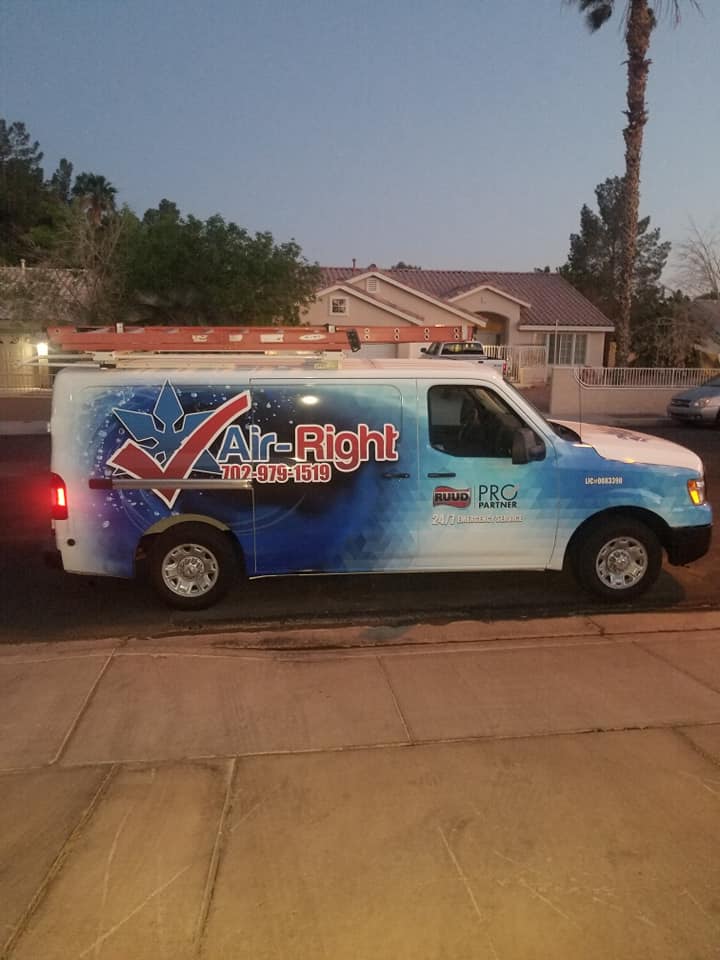
Is It a True Emergency? A Triage Guide for 24 Hour Air Conditioning Service in Las Vegas
Air-Right

Surviving September Temperature Swings in the Las Vegas Valley As summer begins to fade, the desert brings a unique kind of weather whiplash, leaving many residents searching to get their common homeowner questions…
Surviving September Temperature Swings in the Las Vegas Valley
As summer begins to fade, the desert brings a unique kind of weather whiplash, leaving many residents searching to get their common homeowner questions answered before the cold sets in. At Air-Right, our team typically sees a massive spike in service calls during this seasonal transition. The days still roast well into the 90s, but the evenings suddenly drop into the 70s. These rapid September temperature swings put immense stress on your residential cooling system, which has already been running marathon sessions for months.
Right now, you are likely facing a critical decision: does your struggling air conditioner need immediate triage, or is it just time for routine seasonal maintenance? Whether you need comprehensive air conditioning services to prepare for the shift or an emergency AC repair service to keep your family safe, understanding how your equipment reacts to these extreme fluctuations is critical. In our experience, addressing system stress early prevents minor wear and tear from escalating into a total breakdown when you need climate control the most.
Triage: When Is a Late-Season Breakdown a True Emergency?
Not every unusual sound or warm breeze coming from your vents requires a midnight panic call. The first step in late-season triage is distinguishing between a nuisance issue and a genuine safety hazard that demands an immediate response.
The Problem: Your air conditioner stops functioning correctly as the seasons shift. You might notice weak airflow, warm air at the registers, or a complete loss of power to the thermostat. The immediate reaction is often to assume the worst, especially if the daytime heat is still peaking.
The Cause: After months of relentless operation during the peak summer heat, components like capacitors, contactors, and blower motors are heavily fatigued. A sudden daytime spike in temperature can push a weakened part past its breaking point. However, if the breakdown occurs in the evening when temperatures have dropped to a comfortable 72 degrees, a complete failure poses less of an immediate physical risk to your household.
The Solution: Evaluate the situation based on safety and temperature. A true HVAC emergency involves a complete power failure during 90-plus degree daytime heat, especially if there are elderly individuals, infants, or medically vulnerable family members in the home. Other immediate red flags include electrical burning smells, sparking near the unit, or smoke. In these scenarios, you need fast, reliable 24/7 emergency response designed to protect families during dangerous heat. Just last summer, our Air-Right technicians responded to a local homeowner who experienced a complete AC power failure during a brutal 110-degree weekend heatwave. Because they had vulnerable family members in the home, waiting was not an option. Our technician was dispatched the same day, diagnosing the electrical fault and restoring cooling before the house reached dangerous temperatures.
If the issue is simply poor airflow, a strange but non-threatening rattling noise, or a system that struggles slightly during the hottest two hours of the day, it is usually safe to turn the system off at the thermostat and wait for regular business hours. Relying on a trusted provider for Las Vegas AC repair ensures that when you do call, your system is evaluated accurately and safely.
Fall HVAC Triage: Emergency vs. Maintenance
Signs of a True Emergency: Complete loss of power, electrical burning smells, vulnerable residents in the home during daytime heat.
Signs for Routine Maintenance: Dusty air filters, minor temperature variations room-to-room, unusual but non-threatening operational noises.
Optimal Fall Thermostat Settings: Keep a steady baseline temperature to prevent short-cycling during rapid desert temperature shifts.
Common Homeowner Questions Answered: Navigating Fall HVAC Stress
As the Las Vegas Valley moves out of peak summer, the way you operate your climate control system needs to shift. At Air-Right, we regularly see homeowners accidentally damage their equipment by treating September weather the same way they treat July weather. Here are the most critical transition strategies our experts recommend.
How do I transition my thermostat from summer to fall in a desert climate?
The biggest danger during September temperature swings is short-cycling. This happens when the thermostat registers a rapid drop in outdoor temperature and shuts the cooling cycle down prematurely, only to kick back on minutes later as the house retains daytime heat. To prevent this, set a consistent baseline temperature rather than constantly adjusting the dial up and down. A steady 76 to 78 degrees during the early fall allows the system to run in longer, more efficient cycles. We always warn against constant manual adjustments, which force the compressor to start and stop repeatedly, drawing massive amounts of electricity and wearing down the motor bearings.
Should I fix my struggling AC or just wait for winter?
Ignoring a late-season AC issue is a guaranteed way to ensure a mid-winter heating failure. The blower motor and the indoor coil are shared components. If your AC is struggling because of a failing blower motor, that exact same motor is responsible for pushing warm air through your vents in December. If your indoor coil is caked in dust from summer operation, it will restrict airflow regardless of whether you are cooling or heating. Always address lingering summer issues before making the switch to your furnace or heat pump. If you are dealing with severe cooling drops, understanding how to fix AC not cooling in triple-digit heat can provide insight into the mechanical strain your system is already under.
Is it bad to switch between AC and heat on the same day?
Yes, rapid switching causes severe mechanical strain. If you have a heat pump, jumping from cooling to heating forces the reversing valve to shift under pressure. If you have a traditional split system, you risk confusing the control board or triggering safety lockouts. If you must use both modes in a single 24-hour period, we advise establishing a wide "deadband" on your thermostat. This means setting the cooling to kick on at 78 degrees and the heating to activate at 68 degrees. This 10-degree buffer ensures the system has plenty of downtime to equalize pressures before switching modes entirely.
The Impact of Desert Dust on Late-Summer Indoor Air Quality
The combination of late summer monsoon moisture and persistent desert winds creates a highly specific challenge for homes in the Las Vegas Valley. In our years of maintaining HVAC systems across the region, we've found that this weather pattern heavily impacts your indoor air quality and the physical health of your equipment.
The particulate problem: High winds kick up massive amounts of fine desert sand and construction dust. When this dust meets the elevated humidity of monsoon season, it doesn't just pass through your system—it sticks. This heavy particulate load gets pulled into your return vents, rapidly clogging your air filters much faster than they would in the dry spring months.
Airflow restriction and system shutdowns: A pattern we see often is a clogged filter causing late-season system failures. When the blower motor cannot pull enough air through a dirty filter, the indoor coil drops in temperature. Eventually, the condensation on the coil freezes solid. A frozen coil completely blocks airflow, causing the system to run non-stop without actually cooling the house. This forces the outdoor compressor to overheat and eventually shut down on a high-pressure safety trip.
Visual checks you can perform: Before assuming your system is broken, check the filter. Pull it out and hold it up to a light source. If you cannot see light passing through the material, it is entirely restricted and must be replaced immediately. Keeping a fresh filter in place is your primary defense against premature wear and tear as the seasons change.
Diagnosing Strange Noises and Performance Drops
When your system starts making unusual sounds in early fall, it is trying to communicate exactly which component is failing. Understanding these audio cues helps you determine the severity of the problem.
The Problem: You hear a sound that wasn't there in June, accompanied by a noticeable drop in cooling performance.
The Cause: Different sounds point to very different mechanical failures. A high-pitched squealing usually indicates a slipping blower belt or dry motor bearings. A loud, aggressive buzzing near the outdoor unit almost always points to a failing electrical component, such as a contactor that is struggling to pull in or a dying capacitor. A heavy grinding sound suggests metal-on-metal contact, often meaning the fan blades are hitting the housing or a motor mount has snapped.
| Sound Profile | Likely Component Issue | Required Action |
|---|---|---|
| High-pitched squealing | Blower motor bearings or belt | Schedule regular service; do not run continuously. |
| Loud electrical buzzing | Failing capacitor or contactor | Turn system off immediately; call for repair. |
| Heavy metal grinding | Broken motor mount or fan blade | Emergency shutdown required to prevent destruction. |
| Hissing near indoor unit | Refrigerant leak in the coil | Turn off system; requires professional leak search. |
The Solution: Never attempt DIY electrical diagnostics. High-voltage HVAC components carry lethal amperage even after the breaker is flipped off, as capacitors store massive electrical charges. Always rely on a professional evaluation. An accurate diagnosis prevents costly mistakes. During an urgent repair visit in the Las Vegas Valley, a previous technician from outside our company told a homeowner they needed a complete motor replacement due to a sudden performance drop. When they called Air-Right for a second opinion, our responding technician correctly identified that the actual problem was simply faulty wiring. This accurate professional diagnosis saved the customer from an expensive and unnecessary part replacement.
Why a Pre-Heating Season Tune-Up Protects Your System
Bridging the gap between emergency triage and proactive care is the key to longevity. A transition tune-up focuses on recovering from the brutal summer heat while simultaneously preparing the system for winter cold. (This is also a great time to ask your technician if generic utility incentives or federal tax credits may apply to qualifying high-efficiency heat pump upgrades before the winter rush!)
During these unpredictable September temperature swings, routine AC maintenance is the most effective way to reset your equipment's baseline performance. A thorough transition tune-up involves several critical steps:
- Clearing the condensate drain: Summer operation creates gallons of water daily. Algae and sludge build up in the drain line by September. Flushing this line prevents water from backing up and flooding your ceiling or floor when the cooling kicks on during a hot afternoon.
- Tightening electrical connections: The constant vibration of the outdoor unit over the summer can loosen wiring terminals. A technician will torque all connections to spec, preventing electrical arcing and burnt wires.
- Testing heating element safety: Before you need the furnace or heat pump, the technician verifies that the ignition sequence, flame sensors, and reversing valves are operating safely and efficiently.
- Measuring electrical draw: By testing the amp draw on the compressor and motors, a technician can see exactly how much fatigue the parts suffered over the summer, allowing you to replace a weak part before it causes a midnight failure.
During a routine late-summer maintenance visit, one of our Air-Right technicians provided a thorough inspection and took the time to explain every step of the process to the homeowner. That level of detail and transparency is exactly what you should expect from our team during a transition tune-up. Consistent maintenance extends the lifespan of your equipment and sustains high energy efficiency year-round.
Schedule Your Fall HVAC Transition with a Local Expert
Addressing late-season HVAC stress promptly is the best way to protect your home from sudden breakdowns. Whether you are dealing with an urgent mechanical failure that requires immediate triage or you simply want to ensure your system is ready for the upcoming winter, professional help ensures your safety and comfort.
You don't have to navigate these seasonal shifts alone. By keeping these common homeowner questions answered and acting proactively, you can avoid the stress of unexpected repairs. If your system is showing signs of fatigue after a long Las Vegas Valley summer, reach out to the Air-Right team to schedule a comprehensive AC repair service or transition tune-up today. Taking action now secures your peace of mind before the harsh desert winter arrives.
Frequently Asked Questions
How do I transition my thermostat from summer to fall in a desert climate?
At Air-Right, we advise establishing a steady baseline temperature rather than making constant manual adjustments. Set your thermostat between 76 and 78 degrees and leave it there. This prevents the system from short-cycling during the rapid temperature drops that occur in the desert evenings. If you have a programmable thermostat, utilize a wide deadband to keep the system from bouncing between heating and cooling.
Should I fix my AC or just wait for winter?
You should always fix a struggling AC before winter arrives. The cooling and heating systems share vital components, such as the indoor blower motor and the ductwork. If a failing motor is causing your AC to struggle in September, that same motor will fail to push warm air through your home in December. Addressing the root cause now prevents a cascading failure later.
What are the most common HVAC problems in early fall?
The most frequent early fall issues stem from extreme component fatigue and heavy dust accumulation. Homeowners typically experience blown capacitors, struggling blower motors, and frozen indoor coils caused by severely clogged air filters. The combination of monsoon moisture and desert dust creates a heavy particulate load that chokes airflow if filters aren't changed regularly.
Is it bad to switch between AC and heat on the same day?
Yes, rapid switching puts unnecessary mechanical strain on your equipment. Forcing a heat pump's reversing valve to shift back and forth constantly can lead to premature failure. If you must use both modes, ensure there is at least a 10-degree difference between your cooling setpoint and your heating setpoint to give the system time to rest and equalize.
How does late-summer desert dust affect my AC's performance?
Desert dust aggressively clogs your air filters and coats the indoor evaporator coil. This thick layer of dirt acts as an insulator, preventing the coil from absorbing heat from your home's air. As a result, airflow drops, the system runs longer to achieve the same temperature, and the coil can eventually freeze solid, triggering a complete system shutdown.
What qualifies as an HVAC emergency during Las Vegas's fall transition?
A true emergency involves a total loss of cooling during daytime heat spikes, especially if vulnerable individuals reside in the home. Electrical burning smells, smoke, or sparking near the equipment also require an immediate emergency response. If the issue occurs at night when temperatures are mild, it is generally safe to turn the system off and wait for normal business hours.
Need Help?
Contact us today to discuss your needs. Our team is ready to help.
Related Articles
- Is It a True Emergency? A Triage Guide for 24-Hour Air Conditioning Service in Las Vegas, NV
- Is That Burning Smell an Emergency? Fall Triage Guide for 24 Hour Air Conditioning Service in Las Vegas, NV
- Beyond 24-Hour Air Conditioning Service in Las Vegas: Heat Pump vs. Gas Furnace Options for Fall Upgrades
Related articles


Ready to Get Started?
Whether you need a repair, maintenance, or a new installation, our expert team is here to help.