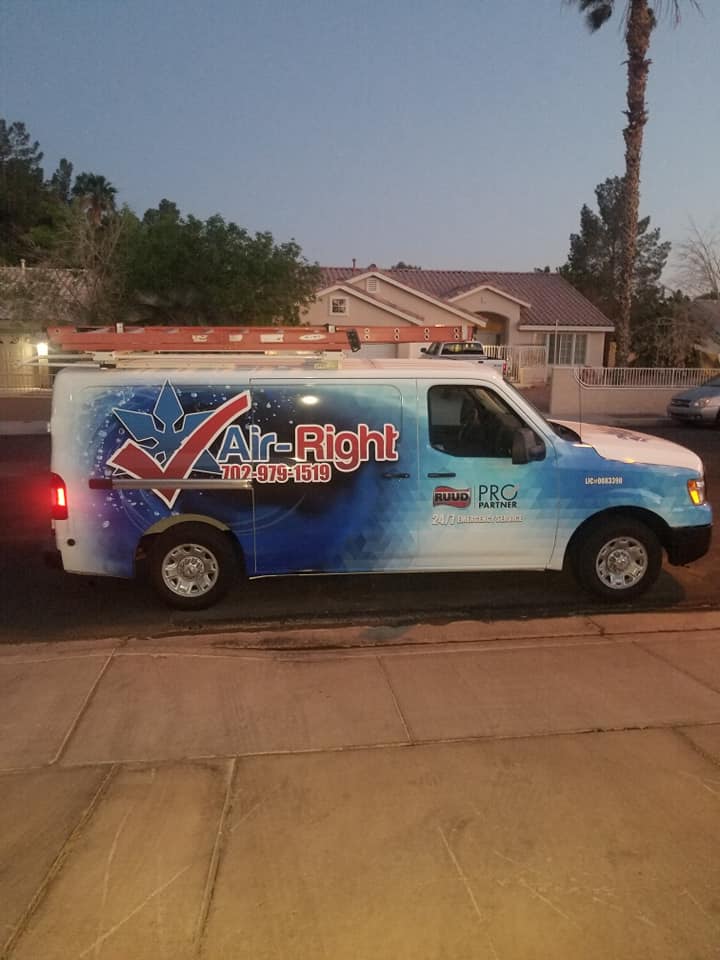
Is It a True Emergency? Post-Summer Triage for 24-Hour Air Conditioning Service in Las Vegas, NV
Air-Right

Is Your AC Struggling After a Brutal Summer? Are you searching for home maintenance tips and troubleshooting advice because your air conditioner is suddenly making strange noises, blowing weak air, or taking forever to…
Is Your AC Struggling After a Brutal Summer?
Are you searching for home maintenance tips and troubleshooting advice because your air conditioner is suddenly making strange noises, blowing weak air, or taking forever to cool down? As the September transition from extreme heat to cool desert nights begins, many homeowners assume their HVAC system is finally getting a break. In reality, the sudden shift in weather often masks deep underlying issues caused by months of continuous operation. Your system has just endured hundreds of hours battling 110-degree days, and that level of intense stress leaves components incredibly fatigued.
The decision you face right now is critical: do you simply flip the thermostat from "cool" to "heat" and hope for the best, or do you take the time to properly triage the system? Ignoring weak airflow or a struggling motor today often leads to a complete breakdown on the coldest night of the year. Understanding what constitutes a real emergency versus a routine maintenance need is the key to protecting your equipment and your home.
For professional guidance on navigating this critical transition period, explore our air conditioning services to ensure your system is fully prepared for the changing seasons.
Assessing the Danger: When to Call for Immediate Help
Not every strange noise requires a midnight service call, but certain symptoms demand immediate 24/7 emergency dispatch. In the Las Vegas valley, continuous high temperatures dramatically accelerate the wear and tear on vital electrical components. When these parts fail, it is not just an inconvenience—it is a significant safety hazard. Indoor temperatures in the desert can reach dangerous levels within mere hours of a total AC failure, especially during lingering late-summer heatwaves.
One homeowner in the valley experienced exactly this type of complete AC power failure during a brutal 110-degree weekend. Because of the extreme heat and the immediate risk to the household, a major same-day repair was authorized, and the system was successfully restored before the house reached dangerous temperatures. Knowing when to act quickly can prevent a stressful situation from turning into a health hazard.
If you suspect a severe electrical failure, your first step should always be to shut off the power at the main breaker to prevent further damage or fire risks. Then, you need a prompt, reliable emergency response designed to protect desert dwellers from dangerous indoor temperatures.
If you are experiencing any of these critical warning signs, do not wait. Reach out for AC repair service in Las Vegas immediately.
Signs of Imminent Electrical Failure
- Acrid or burning plastic smells: If you detect an electrical burning odor coming from your vents or the outdoor unit, shut the system down immediately. This often indicates melting wires or a failing motor.
- Loud buzzing or humming: A loud, continuous hum from the outdoor condenser unit usually means a component is receiving power but cannot physically start, which can rapidly burn out the compressor.
- Repeatedly tripping the circuit breaker: If your air conditioner trips the breaker more than once, do not force it back on. The breaker is doing its job to protect your home from a dangerous electrical short or an overloaded, failing compressor.
- Visible sparking or smoke: Any visible signs of electrical arcing at the outdoor unit or the indoor air handler require immediate emergency intervention.
Common Post-Summer HVAC Symptoms and Component Fatigue
The mechanical toll of a long summer in the Las Vegas valley cannot be overstated. Your air conditioner is a complex machine relying on precise electrical and mechanical coordination. When ambient temperatures remain above 100 degrees for weeks on end, the system rarely gets a chance to cool down, leading to severe component fatigue.
The most common victim of this relentless heat is the capacitor. Think of the dual-run capacitor as a massive energy reservoir that delivers the necessary jolt of electricity to start your compressor and fan motors. Continuous heat exposure degrades the internal fluids of the capacitor, causing it to bulge, leak, or fail entirely. When a capacitor weakens, the blower motor and compressor have to work significantly harder to start, which draws excessive amperage and generates even more heat.
Ignoring this minor component fatigue in early fall almost always leads to major heating failures in the winter. A struggling motor might still spin, but it is slowly burning itself out. Prompt attention to these early warning signs can absolutely prevent the need for full system replacements.
A local customer recently faced a sudden motor failure that required urgent attention after a long summer of heavy usage. By scheduling the repair for first thing the next morning, the technician was able to replace the motor professionally and efficiently, restoring comfort without the need for a massive system overhaul.
Symptom vs. Likely Component Fatigue
| What You Notice | What It Usually Means | Risk if Ignored |
|---|---|---|
| Clicking sound, but the outdoor fan won't spin | A failed or dying capacitor | Complete compressor burnout |
| Squealing or grinding from indoor vents | Worn blower motor bearings | Motor failure and zero airflow |
| System runs constantly but cools poorly | Refrigerant leak or dirty coils | Frozen evaporator coil and water damage |
| Short cycling (turning on and off rapidly) | Overheating compressor or electrical short | Irreversible damage to the entire unit |
The Monsoon Dust Factor: Airflow Restrictions vs. Mechanical Breakdowns
Beyond the pure heat, homeowners in the Las Vegas valley must contend with a unique climate challenge: late-summer monsoon winds. These powerful storms drive ultra-fine desert dust directly into your outdoor condenser coils and through your indoor air filters. What starts as a minor dust accumulation quickly turns into a severe airflow restriction.
The Problem:
During the cooling season, your indoor evaporator coil is constantly wet from condensation. When fine monsoon dust bypasses a clogged filter, it sticks to this wet coil. Over time, this mixture dries into a cement-like barrier that completely blocks airflow. At the same time, the outdoor condenser fins become packed with dirt, preventing the system from releasing heat into the outside air.
The Cause:
Many homeowners misdiagnose this issue. They assume their air conditioner is mechanically broken because the air coming from the vents is weak or warm. In reality, the system is simply suffocating. The blower motor is straining against a wall of dirt, and the compressor is overheating because the system cannot breathe.
The Solution:
Clearing this dust before switching your system to heating mode is absolutely essential. According to EPA data, replacing a dirty, clogged filter with a clean one can lower an air conditioner's energy consumption by 5% to 15%. However, if the dust has already bypassed the filter and coated the internal coils, a simple filter change won't be enough. You must have the coils professionally cleaned to restore proper airflow and prevent the furnace from overheating when you finally turn on the heat.
Scheduling routine AC maintenance is the most effective way to clear out this monsoon dust, improve your indoor air quality, and ensure your system breathes easily during the seasonal transition.
Safe Triage Steps Before Requesting Emergency Dispatch
If your system is acting up during the September transition from extreme heat to cool desert nights, there are several safe, homeowner-level troubleshooting steps you can take. These steps help verify if a professional is truly needed, saving you time and stress. However, it is vital to remember that air conditioners operate on high-voltage electricity. You must never attempt to open the condenser cabinet, test capacitors, or bypass safety switches yourself.
- Check the thermostat settings: This sounds incredibly simple, but it is a common culprit. Ensure the thermostat is explicitly set to "cool" (or "heat" if you are testing the furnace) and that the temperature is set below the current room temperature. If your thermostat screen is blank or fading, replace the batteries with fresh ones immediately.
- Inspect the indoor air filter: Turn the system off and pull out your air filter. Hold it up to a light source. If you cannot see light shining through the material, it is suffering from severe dust impaction from recent monsoon storms. Replace it with a clean, high-quality pleated filter.
- Verify power at the emergency switch: Most indoor air handlers have an emergency shut-off switch located nearby that looks exactly like a standard light switch. Ensure this was not accidentally flipped off by someone walking past or moving boxes in the garage or attic.
- Check the main electrical panel: Locate your home's main electrical panel and look for the breaker labeled for the AC or HVAC system. If it is tripped (sitting in the middle position), firmly push it all the way to the "off" position, then snap it back to "on." If it trips again immediately, stop. You have an electrical short that requires a professional.
- Clear the area around the outdoor unit: Ensure there are no patio chairs, overgrown bushes, or debris blocking the outdoor condenser. The unit needs at least two feet of clearance on all sides to exhaust heat properly.
If you have completed these basic checks and the system is still struggling, you may need more advanced troubleshooting. For additional insights on dealing with extreme weather failures, read our guide on how to fix AC not cooling in triple-digit heat.

Repair vs. Replacement: Making the Right Call After a Brutal Summer
When an air conditioner breaks down after a brutal season in the Las Vegas valley, homeowners immediately face a stressful question: is it worth repairing, or is it time to replace the entire system? Making this decision requires a careful evaluation of the unit's age, its repair history, and the overall efficiency of the system.
First, consider the chronological age versus the operational age of the equipment. An air conditioner running in a mild coastal climate might easily last 15 to 20 years. However, 10-plus years of continuous operation in the extreme desert heat equates to a much older system in terms of mechanical wear and tear. If your system is over a decade old and requires a major component replacement—like a compressor or an evaporator coil—investing in a new system is often the more financially sound choice.
That being said, accurate professional diagnostics are absolutely crucial and can save you a tremendous amount of money. In one instance, a homeowner was initially told by another company that their system required a costly new motor. When a second technician arrived within 90 minutes to evaluate the situation, they correctly identified a simple, inexpensive wiring problem instead. The correct diagnosis saved the customer from an unnecessary and expensive motor replacement.
If a replacement is ultimately necessary, keep in mind that generic energy rebates and federal tax credits may be available for upgrading to high-efficiency systems or heat pumps. While you should always verify current programs with your utility provider or a tax professional, these incentives can make upgrading much more accessible.
Whether your fatigued system needs a targeted fix or a fresh start, a professional, pressure-free assessment is your best path forward. Learn more about your options for AC installation and replacement to make an informed decision.
Frequently Asked Questions About Post-Summer AC Emergencies
Should I have my AC checked after summer?
Yes, a post-summer check is highly recommended, especially in desert climates. Your air conditioner has just endured months of continuous operation under extreme heat, which heavily degrades electrical components and packs filters with dust. A thorough inspection ensures that fatigued parts are replaced before they fail completely and that your system is clean and safe to operate before switching to heating mode.
How do I safely switch my thermostat from cool to heat?
To safely switch your thermostat, first turn the system completely off and wait at least five minutes. This allows the system's internal pressures to equalize and prevents short-cycling the compressor. Once the time has passed, switch the thermostat to the "heat" setting and raise the temperature a few degrees above the current room temperature to test the furnace ignition.
Why is my HVAC system struggling after the summer heat?
Your HVAC system is likely struggling due to a combination of mechanical fatigue and severe airflow restriction. Months of continuous operation wear down capacitors and blower motors, making them work harder to achieve the same results. Additionally, late-summer winds pack ultra-fine dust into your coils and filters, suffocating the system and drastically reducing its cooling capacity.
What maintenance does an AC need after a long summer in the desert?
After a long desert summer, an AC requires a comprehensive reset focusing on deep cleaning and electrical testing. The outdoor condenser coils must be washed to remove impacted dirt, and the indoor evaporator coil should be inspected for dust buildup. Technicians also need to test the microfarad readings on all capacitors and measure the amperage draw of the motors to detect hidden fatigue.
Is a burning smell normal when turning on the heat for the first time?
A brief, faint burning smell is common when turning on the heat for the first time, as the furnace burns off dust that settled on the heat exchanger during the summer. This odor should dissipate within 15 to 30 minutes. However, if the smell is acrid, smells like melting plastic, or persists for hours, shut the system down immediately, as this indicates a serious electrical or mechanical issue.
How quickly can a technician respond to an AC emergency during a fall heatwave?
During a sudden fall heatwave, dedicated emergency technicians are dispatched as rapidly as possible, often arriving the same day or within hours for severe situations. Priority is typically given to complete power failures or situations posing immediate life-safety risks in extreme temperatures. Shutting off your system safely and calling early in the day ensures the fastest possible response time.
Secure Your Comfort Before the Cold Snaps Arrive
Transitioning your home from the punishing summer heat to the unpredictable cooler months requires more than just adjusting the thermostat. As the September transition from extreme heat to cool desert nights takes hold, clearing out impacted monsoon dust and addressing heat-fatigued components is essential for your safety and comfort. Ignoring these hidden issues only sets the stage for a frustrating, and potentially dangerous, breakdown when you finally need your heating system the most.
Understanding the specific wear-and-tear your equipment just endured empowers you to make smart, proactive decisions. Knowing that your motors, capacitors, and coils have been professionally evaluated provides unparalleled peace of mind. Don't wait for a sudden cold snap to reveal a lingering summer problem. Schedule a comprehensive post-summer system reset today to ensure your home remains comfortable, efficient, and safe all season long.
Need Help?
Contact us today to discuss your needs. Our team is ready to help.
Related Articles
- Is It a True Emergency? A Triage Guide for 24-Hour Air Conditioning Service in Las Vegas, NV
- Is That Burning Smell an Emergency? Fall Triage Guide for 24 Hour Air Conditioning Service in Las Vegas, NV
- Beyond 24-Hour Air Conditioning Service in Las Vegas: Heat Pump vs. Gas Furnace Options for Fall Upgrades
Related articles


Ready to Get Started?
Whether you need a repair, maintenance, or a new installation, our expert team is here to help.