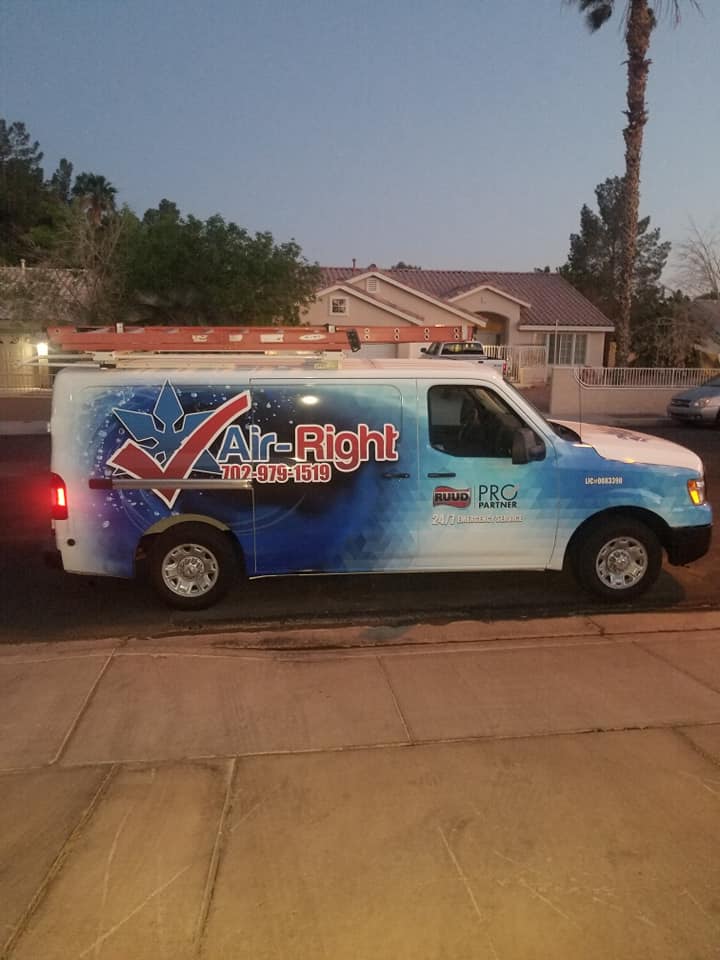
Heat Pump vs. Gas Furnace: An FAQ Guide to Replacement and 24 Hour Air Conditioning Service in Las Vegas, NV
Air-Right

Facing a Late-Summer HVAC Breakdown in the Desert? Is your aging air conditioner suddenly struggling to keep up just as the intense summer heat begins to break? Deciding between patching up a failing system and…
Facing a Late-Summer HVAC Breakdown in the Desert?
Is your aging air conditioner suddenly struggling to keep up just as the intense summer heat begins to break? Deciding between patching up a failing system and investing in a new setup is a heavy choice. At Air-Right, we know that finding clear options comparisons for homeowners can feel overwhelming when the house is uncomfortably warm and the nights are starting to cool down. The immediate stress of losing cooling power during late summer heat is a common frustration, especially when you know winter is just around the corner.
When a system fails during the September pre-heating transition, it introduces a critical choice: continue patching an old, inefficient unit or upgrade to modern technology. Modern options require weighing traditional split systems against advanced heat pumps. This comprehensive comparison from our HVAC experts will guide your emergency replacement decisions, ensuring your home remains comfortable year-round.
Need immediate help? Explore our Air Conditioning solutions or request 24-hour AC repair service in Las Vegas.
Why the Transition to Fall Forces Urgent HVAC Decisions
The window between brutal summer heat and chilly winter nights is incredibly narrow in the Las Vegas Valley. Our team typically sees failing systems limp through the peak summer months, only to break down completely when the weather begins to shift. Securing a reliable heating and cooling solution before nighttime temperatures plummet is critical for maintaining indoor comfort and safety.
When we run emergency service calls in early fall, we frequently find that older units require full system upgrades rather than simple fixes. When an older unit suffers a catastrophic failure, investing in repairs often delays the inevitable. Working with local HVAC experts like Air-Right provides rapid, reliable emergency response specifically tailored for desert dwellers navigating these seasonal transitions.
For example, one Las Vegas customer reached out to us recently when their air conditioning units required urgent servicing. We dispatched an Air-Right technician the very next day, providing continuous updates before thoroughly servicing the equipment to restore reliable cooling. This level of responsiveness is vital when deciding on a new system.
Here is why early fall is the most critical time for an AC replacement in Las Vegas:
- Identifying the failure point: Summer wear and tear exposes weak components, making early fall the ideal time to assess total system health before winter demands begin.
- Evaluating upcoming heating needs: Nighttime temperatures drop rapidly, requiring a system that can switch from cooling to heating without hesitation.
- Securing equipment before shortages: Upgrading during the transition season helps avoid winter inventory delays and scheduling backlogs.
- Maximizing energy efficiency: Replacing a struggling unit before the heating season begins immediately lowers energy consumption.
Understanding the Thermal Load: Heat Pumps in the Mojave Desert
Heat pumps operate differently than traditional furnaces. Rather than burning fuel to create heat, they move heat from one place to another. This technology requires a close look at how these systems handle the specific thermal demands of the Las Vegas Valley, something our installers calculate on every job.
How Heat Pumps Transfer Energy
A heat pump uses a continuous refrigerant cycle to absorb and release thermal energy. During the summer, the system absorbs heat from inside your home and pumps it outside. In the winter, a reversing valve switches the flow of refrigerant. The system then extracts ambient heat from the outdoor air—even when it feels cold outside—and pumps it indoors. Because moving heat requires far less energy than generating it, modern heat pumps offer exceptional efficiency ratings.
Summer Cooling Efficiency
The extreme thermal load of the Mojave Desert tests the limits of any cooling system. With 110-degree summer days, a heat pump must work incredibly hard to cool massive thermal loads. The system's cooling efficiency is measured by its SEER2 rating. High-efficiency heat pumps are designed to handle prolonged high-temperature days, but they will run almost continuously to maintain indoor comfort. Our installation experts at Air-Right always emphasize that proper sizing is absolutely critical; an undersized heat pump will struggle to keep up with the intense desert sun, leading to excessive wear on the compressor.
Winter Heating Performance
Winter heating is where heat pumps truly excel in this region. The heating efficiency of a heat pump is measured by its HSPF2 rating. Because average winter lows in the desert rarely drop below freezing, there is plenty of ambient heat in the outdoor air for the system to extract. This mild winter advantage means that supplemental heat strips—which consume large amounts of electricity and are common in colder climates—are rarely needed locally. The system provides steady, even heating throughout the cooler months without the need for a gas connection.
The Traditional Route: Gas Furnaces and Dedicated AC Units
For decades, the traditional split system has been the standard approach for desert homes. This setup utilizes a dedicated air conditioner for the summer and a gas furnace for the winter. Understanding this separation of duties helps clarify why many homeowners still prefer this traditional route during the September pre-heating transition.
The Role of the Split System
A split system offers independent operation of cooling and heating components. The air conditioning unit handles the intense summer heat, while the gas furnace takes over entirely during the winter. This separation provides a layer of redundancy and reliability. If the air conditioning compressor fails in the middle of summer, the heating system remains unaffected. Furthermore, gas furnaces deliver intense, fast heating power. During sudden winter cold snaps, a gas furnace raises the indoor temperature rapidly, providing immediate comfort that some homeowners prefer over the gradual heating of a heat pump.
Gas Furnace Lifespan Factors
One of the primary advantages of a split system in a desert climate is the seasonal downtime. The air conditioning compressor works tirelessly for several months but gets an 8-month rest during the cooler seasons. Conversely, the gas furnace sits idle all summer. This reduced wear and tear can extend the physical lifespan of the individual components. However, combustion systems require specific maintenance. Regular Las Vegas AC maintenance and pre-heating season furnace tune-ups are necessary to inspect heat exchangers, check gas connections, and ensure safe ventilation. Additionally, generic federal tax credits or local utility incentives frequently apply to upgrading older, inefficient furnaces, making a modern split system an attractive financial option. We always advise readers to verify current rebate programs with their utility provider or a tax professional.
Comparing 12-Month Continuous Wear vs. Seasonal Rest
The physical toll the desert climate takes on HVAC equipment cannot be overstated. A direct comparison between a heat pump and a traditional split system reveals significant differences in operational strain and maintenance requirements across the Las Vegas Valley.
Year-Round Operation Strain
A heat pump operates continuously for 12 months a year. It cools the home throughout the blistering summer and heats the home throughout the winter. This continuous run-time leads to motor and compressor fatigue. Extreme summer heat exacerbates this wear on continuously running components. During a weekend of 110-degree weather, one of our customers experienced a complete AC power failure. An Air-Right technician provided a major same-day repair, restoring the system's function before the extreme heat could cause further issues. This highlights the necessity of pre-heating season checkups to catch failing components before they cause a total breakdown.
Maintenance Frequency Differences
Scheduling tune-ups differs based on the system type. A dual-purpose heat pump requires rigorous, bi-annual maintenance—once before summer and once before winter—because the same internal components handle both seasons. Identifying early warning signs of failure is critical when the system never gets a true off-season. A traditional split system also benefits from bi-annual visits, but the technician focuses on the AC in the spring and the furnace in the fall. Emergency breakdowns often stem from neglected maintenance on overworked systems. Understanding how to fix AC not cooling in triple-digit heat usually starts with recognizing the signs of an overworked compressor.
| System Feature | Heat Pump System | Gas Furnace & AC Split System |
|---|---|---|
| Annual Run-Time | 12 months of continuous operation | Seasonal operation (AC in summer, Furnace in winter) |
| Summer Cooling Strain | High wear on shared compressor | High wear on dedicated AC compressor |
| Winter Heating Source | Extracts ambient outdoor heat | Combusts natural gas for rapid heat |
| Maintenance Needs | Strict bi-annual checkups required | Seasonal checkups per dedicated unit |
| Component Rest Period | None | 8 months of rest for the AC compressor |

Handling Diurnal Temperature Swings in the Desert
The Mojave Desert is known for its extreme diurnal temperature variation. This means the temperature can easily drop 30 degrees or more from the peak daytime high to the overnight low. Managing these massive day-to-night temperature fluctuations is a specific regional challenge that HVAC systems must handle efficiently.
During the September pre-heating transition and other shoulder seasons, a system must seamlessly transition from cooling the home in the afternoon to heating it at night. Heat pumps handle this transition automatically, simply reversing the flow of refrigerant as the thermostat dictates. However, because heat pumps provide a gradual increase in temperature, they may take slightly longer to overcome a rapid 30-degree evening temperature drop compared to a gas furnace.
A traditional gas furnace provides intense, immediate heat. When the thermostat calls for sudden warmth after a cool desert sunset, the burners ignite, and hot air fills the home rapidly. Smart thermostats integrate perfectly with both systems to manage these extreme fluctuations efficiently. By learning your home's thermal mass and tracking local weather patterns, a smart thermostat will anticipate the evening chill and activate the heating cycle just before the indoor temperature drops, ensuring consistent comfort regardless of which system we install for you.
Frequently Asked Questions About HVAC Replacement Options
Navigating an HVAC replacement in the Las Vegas Valley raises several common questions. Review these straightforward answers from our Air-Right team to help clarify your options before making a final decision.
Are heat pumps good for Las Vegas?
Yes, heat pumps are highly efficient in the mild winters typical of the region. Because average winter temperatures rarely drop below freezing, the system easily extracts ambient heat from the outdoor air. However, our technicians emphasize that they require precise, proper sizing to handle the extreme summer cooling load without overworking the compressor.
Should I replace my AC and furnace at the same time?
Replacing both units simultaneously ensures matched efficiency and seamless communication between components. An older furnace paired with a new high-efficiency AC can restrict airflow and reduce overall performance. Furthermore, replacing the entire system at once saves on long-term labor costs compared to piecemeal replacement.
What is the best heating system for a desert climate?
The best system depends entirely on your home's infrastructure and your personal comfort preferences. In our experience, heat pumps offer exceptional energy efficiency and a lower carbon footprint for mild winters. Conversely, traditional gas furnaces offer rapid, powerful heat that quickly overcomes sudden nighttime temperature drops.
Is a heat pump better than a gas furnace?
A heat pump is generally better for reducing your carbon footprint and maximizing mild weather efficiency. It eliminates the need for natural gas combustion inside the home. However, gas furnaces may have a longer physical lifespan due to the seasonal rest they receive during the long desert summers.
Do heat pumps work well in Las Vegas?
Heat pumps excel in the local winter climate when temperatures rarely drop below 39 degrees. They provide steady, even heating that keeps homes comfortable efficiently. The primary challenge is that they must run continuously throughout the brutal summer, requiring diligent, professional maintenance to prevent premature failure.
What is the downside of a heat pump in a hot climate?
The main downside is the 12-month continuous operation, which leads to faster wear and tear on moving parts. Because the compressor handles both heating and cooling, it never gets a seasonal break. This constant workload creates the potential for a shorter overall lifespan compared to a split system.
Can I get 24-hour emergency service for a full system failure?
Yes, our rapid response teams at Air-Right are available to diagnose catastrophic failures at any hour. If your system breaks down during extreme weather, technicians will assess the damage immediately. Temporary fixes may be applied to provide relief while full replacement logistics are finalized.
Secure Your Desert Home's Comfort Before Winter Arrives
Choosing between a heat pump and a traditional gas furnace ultimately comes down to balancing energy efficiency goals with traditional reliability. A heat pump offers incredible efficiency and a single-system footprint, while a split system provides fast heating power and seasonal rest for critical components. Making this decision during the September pre-heating transition ensures your home is prepared before cold weather officially sets in.
Evaluating your specific home layout, ductwork condition, and thermal load is exactly what our trained professionals at Air-Right do best. A clear, climate-specific breakdown helps you make an informed equipment choice based on long-term efficiency and daily comfort. Do not wait for a complete breakdown on the coldest night of the year. Consult with our team to evaluate your options, or request 24-hour AC repair service in Las Vegas today.
Need Help?
Contact us today to discuss your needs. Our team is ready to help.
Related Articles
- Is It a True Emergency? A Fall Triage Guide for 24-Hour Air Conditioning Service in Las Vegas, NV
- Emergency AC Repair Signs: Navigating Heating-Startup and Fall Maintenance
- Is That Burning Smell an Emergency? Triaging Fall Heating and 24-Hour Air Conditioning Service in Las Vegas, NV
Related articles


Ready to Get Started?
Whether you need a repair, maintenance, or a new installation, our expert team is here to help.