Heat Pump vs. Gas Furnace: Choosing Reliable HVAC in Las Vegas, NV
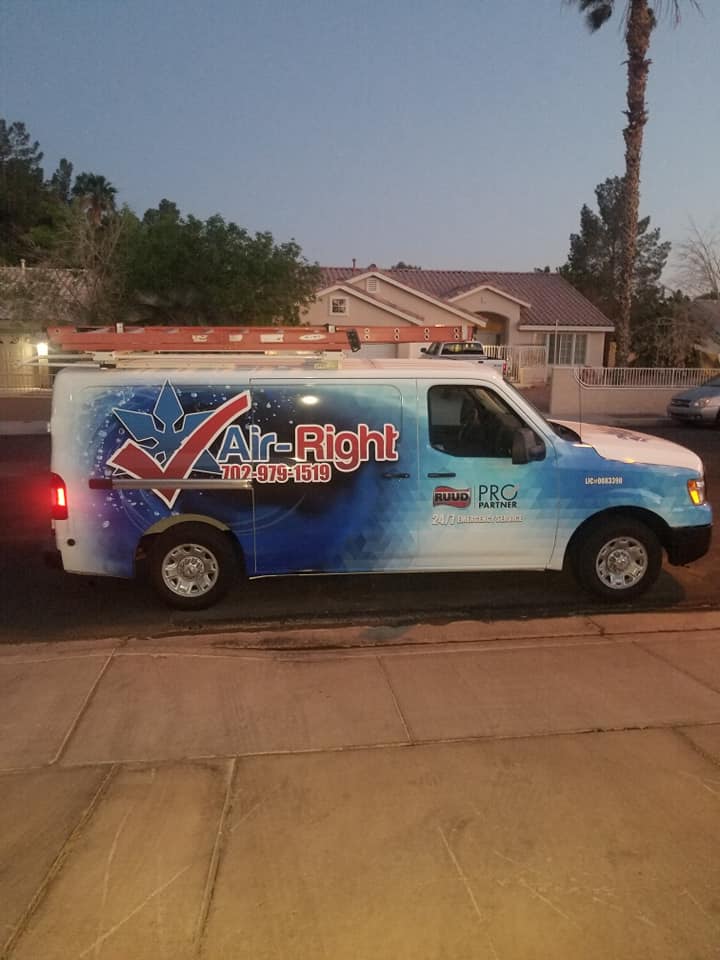
Air-Right

Navigating Pre-Winter HVAC Replacement in the Desert Your aging air conditioner just survived another grueling summer of non-stop operation, but now you are facing a critical decision before the freezing nights arrive,…
Navigating Pre-Winter HVAC Replacement in the Desert
Your aging air conditioner just survived another grueling summer of non-stop operation, but now you are facing a critical decision before the freezing nights arrive, making options comparisons for homeowners absolutely essential. A system that struggles through August will likely fail when you need it most in December. Making the choice to upgrade your equipment now, during the October pre-winter heating startup window, ensures your home stays comfortable without interruption. The transition from intense heat to chilly evenings happens fast in the Las Vegas Valley, and your HVAC system needs to be ready to handle the shift.
For expert guidance on your next steps, our team at Air-Right invites you to explore our Air Conditioning Services or schedule an AC Repair Service in Las Vegas.
When replacing an aging unit, the biggest choice you face is whether to install a modern heat pump or stick with a traditional gas furnace. Both systems offer distinct advantages, but they operate in fundamentally different ways. Understanding these differences is the first step toward securing reliable, efficient comfort for your home.
| System Type | Primary Function | Best Suited For |
|---|---|---|
| Heat Pump | Transfers heat year-round (cooling in summer, heating in winter) | High-efficiency electric heating with moderate winter demands |
| Gas Furnace | Generates heat by burning natural gas | Rapid, powerful heating during sudden temperature drops |
The core dilemma: A heat pump provides incredible energy efficiency but runs 365 days a year. A gas furnace delivers immediate, powerful heat but requires a separate air conditioner for the summer. To make the right choice, you have to look closely at how the local climate impacts your equipment.
Understanding the Unique Demands of the Las Vegas Climate
In our years of keeping Las Vegas homes comfortable, the team at Air-Right has found that generic, national HVAC advice often fails to account for the extreme environmental realities of our valley. Much of the guidance you find online assumes a moderate climate with predictable, gradual seasonal shifts. Here in the desert, the rules are entirely different. The primary factor driving your heating needs is a phenomenon known as diurnal temperature variation.
Diurnal temperature variation refers to the massive swing between daytime highs and nighttime lows. According to National Weather Service data, it is incredibly common for mild, comfortable daytime temperatures in the desert to plummet rapidly into the 30s after the sun goes down. Your heating system does not get the luxury of slowly warming up; it must respond instantly to a sudden, steep drop in temperature.
- Rapid thermal loss: Desert air lacks the humidity that holds heat, meaning homes lose warmth quickly as soon as evening arrives.
- Sudden demand spikes: Your system goes from sitting idle at 4 p.m. to running at full capacity by 10 p.m.
- Extreme summer wear: Heating performance is often compromised by the wear and tear accumulated during the summer months.
This extreme environment leads to what our technicians at Air-Right call dual-duty fatigue. If you rely on a single system to cool your home in July and heat it in January, that equipment never gets an off-season. Just like knowing How to Fix AC Not Cooling in Triple-Digit Heat is vital for summer survival, understanding how that same heat affects your winter equipment is crucial. Properly sized and selected equipment is the only way to combat the relentless demands of the desert climate. A system that is too small will run constantly and fail prematurely, while an oversized system will cycle on and off too quickly, wasting energy and failing to maintain a consistent temperature.
Heat Pumps: Efficiency and the Reality of Dual-Duty Fatigue
Heat pumps have surged in popularity due to their remarkable energy efficiency. Unlike traditional furnaces that consume fuel to create heat, heat pumps move heat from one place to another. During the summer, they pull heat out of your house and push it outside. In the winter, the reversing valve switches direction, extracting ambient thermal energy from the outdoor air and pumping it inside.
There is a common misconception that heat pumps only work in mild, coastal climates. Modern advancements in compressor technology allow today's units to extract heat even when the temperature drops near freezing in the Las Vegas Valley. However, this efficiency comes with a specific set of operational challenges in a desert environment.
The Mechanics of Heat Transfer in the Desert
Even on a chilly desert night, there is thermal energy in the air. Modern heat pumps use advanced refrigerants to absorb this energy, compress it to raise its temperature, and distribute it through your ductwork. This process uses significantly less electricity than generating heat from scratch.
The dual-duty reality: The trade-off for this efficiency is relentless operation. A heat pump in the desert runs at maximum capacity all summer long. When the October pre-winter heating startup arrives, the unit immediately transitions to heating mode without a break. This constant operation accelerates wear and tear on critical components like the compressor and the condenser fan motor.
To keep a heat pump viable year-round in this demanding environment, our Air-Right maintenance experts emphasize that strict adherence to a seasonal tune-up schedule is mandatory. Skipping these steps guarantees a shorter lifespan for your equipment:
- Bi-annual professional tune-ups: One inspection before the summer heat, and a second comprehensive check before the winter cold.
- Frequent filter replacements: Desert dust clogs filters rapidly, forcing the blower motor to work harder and increasing energy consumption.
- Outdoor coil cleaning: Removing dirt and debris from the exterior fins ensures the system can transfer heat efficiently.
- Refrigerant level verification: Even a slight drop in refrigerant charge forces the compressor to run longer cycles, leading to premature failure.
Traditional Gas Furnaces: Rapid Response to Freezing Nights
While heat pumps focus on efficiency, traditional gas furnaces focus on raw heating power. A gas furnace generates heat by igniting natural gas in a combustion chamber. The heat exchanger absorbs this thermal energy, and the blower fan pushes the hot air through your home. This process provides a powerful, immediate response to the freezing nighttime temperatures common in the desert.
When the sun sets and the temperature drops 30 degrees in a matter of hours, a gas furnace delivers high-heat output instantly. This rapid response is why many homeowners prefer sticking with natural gas. We see this frequently at Air-Right; recently, a local homeowner reached out to our dispatch team during a winter cold snap when their furnace unexpectedly failed. One of our technicians arrived within hours, quickly identified the problem, and had the heat running again within 20 minutes of arrival. Because gas furnaces generate intense heat quickly, the home was comfortable again almost immediately.
The benefit of an off-season: When you use a gas furnace for heating, your outdoor air conditioning unit gets to rest for several months. This dedicated downtime significantly extends the lifespan of the AC compressor. Instead of one unit working 365 days a year, the workload is split.
- Infrastructure requirements: Installing a gas furnace requires existing natural gas lines and proper exhaust venting to ensure carbon monoxide is safely directed outside.
- Safety considerations: Routine inspections are critical to verify the integrity of the heat exchanger. A cracked heat exchanger is a serious safety hazard.
- Longevity: Because a furnace is only used for a few months during the winter, the internal components experience far less annual wear than a year-round heat pump.
Choosing a gas furnace during your October pre-winter heating startup means prioritizing rapid heating power and giving your cooling equipment a much-needed winter break.

Timing Your Upgrade: The Importance of Pre-Winter Assessment
The worst time to replace your heating system is the exact moment it fails. Emergency replacements limit your options, cause unnecessary stress, and often leave your family in a freezing house while waiting for installation. This is why the October pre-winter heating startup window is the most critical time of the year for homeowners with aging equipment.
Evaluating your system before the major cold snaps arrive gives you the time to properly research and compare your options. You can schedule load calculations, review equipment specifications, and make an informed decision without the pressure of a broken system. Proactive replacement prevents the nightmare scenario of waking up to a 40-degree house in the middle of December.
Logistically, scheduling your AC Installation and Replacement or heating upgrade in the fall ensures you secure an appointment before peak winter demand strains local service availability. Once the first freeze hits, HVAC schedules fill up instantly with emergency repair calls. Acting early puts you at the front of the line.
Financial considerations: Upgrading to a high-efficiency system often comes with added benefits. Generic federal tax credits and local utility incentive programs may apply to qualifying high-efficiency installations. These programs are designed to encourage energy conservation. Because these incentives change frequently and vary based on the specific equipment you choose, it is always best to consult a tax professional or your local utility provider to understand exactly what generic rebates you may qualify for.
Choosing the Right System with Local Expertise
The debate between a heat pump and a gas furnace ultimately comes down to your specific home, your comfort preferences, and the unique thermal loads of the Las Vegas Valley. Heat pumps offer incredible efficiency and modern technology, but they demand rigorous maintenance to survive the year-round workload. Gas furnaces provide unmatched heating power and give your AC unit a rest, but they require proper gas infrastructure.
More important than the brand of equipment you choose is the expertise of the contractor installing it. Proper sizing and installation are the true keys to longevity. A contractor who understands desert thermal loads will perform a detailed calculation to ensure your new system is perfectly matched to your home's square footage, insulation levels, and ductwork.
At Air-Right, working with our team ensures your equipment is handled correctly from day one. For example, our technicians recently helped a homeowner who experienced a total power failure on their cooling system during a 110-degree summer weekend. Because of our commitment to rapid emergency response, we completed a major same-day repair, getting the system back online before the heat became unbearable. That same level of urgency and accountability applies to your winter heating needs.
Before making a final decision, always get an honest, professional second opinion on whether repairing your old unit or investing in a new system makes the most sense. Regular AC Maintenance and Tune-Ups will keep whatever system you choose running smoothly, ensuring reliable comfort through every desert season.
Frequently Asked Questions
Are heat pumps effective in desert climates?
Yes, modern heat pumps are highly effective in desert climates. They use advanced refrigerants to extract heat from the air even when temperatures drop near freezing. However, because they also run all summer to cool your home, they require strict maintenance to handle the year-round workload without premature failure.
Should I switch from a gas furnace to a heat pump in Las Vegas?
Switching depends on your home's infrastructure and your efficiency goals. If you want to maximize energy efficiency and move away from fossil fuels, a heat pump is an excellent choice. If you prefer the rapid, intense heat that a furnace provides during sudden nighttime temperature drops, sticking with gas might be better.
At what temperature does a heat pump become inefficient?
Older heat pumps typically begin to lose efficiency when temperatures drop below 40 degrees Fahrenheit. However, modern high-efficiency units can continue to extract heat effectively even when temperatures dip into the 20s. In the Las Vegas area, a modern heat pump can handle the vast majority of winter nights comfortably.
Do I need a furnace if I have a heat pump?
In most standard residential setups, you do not need a furnace if you have a heat pump, as the heat pump handles both heating and cooling. Some homes utilize a "dual-fuel" system, which pairs a heat pump with a gas furnace for backup heat during extreme cold snaps, but this is optional rather than strictly necessary for every home.
How does dual-duty fatigue affect heat pump lifespan in Nevada?
Dual-duty fatigue occurs because the heat pump operates continuously through the extreme summer heat and then immediately transitions into winter heating mode. Without an off-season, the compressor and motors accumulate wear much faster than a standard split system. Regular preventative maintenance is the only way to combat this fatigue and extend the unit's lifespan.
What is the best time of year to replace an HVAC system in the desert?
The best time to replace your system is during the mild shoulder seasons, specifically the October pre-winter heating startup window or early spring. Replacing your system before extreme weather hits ensures you have time to make an informed decision and avoids the stress of an emergency breakdown during peak demand.
Choosing between a heat pump and a gas furnace doesn't have to be overwhelming. By evaluating your home's needs ahead of the winter temperature drop, you can secure a clear, climate-specific solution that delivers reliable, efficient heating for years to come.
Need Help?
Contact us today to discuss your needs. Our team is ready to help.
Related Articles
- Is That Burning Smell an Emergency? Fall Triage Guide for 24 Hour Air Conditioning Service in Las Vegas, NV
- Beyond 24-Hour Air Conditioning Service in Las Vegas: Heat Pump vs. Gas Furnace Options for Fall Upgrades
- Is That Burning Smell an Emergency? A Triage Guide for 24 Hour Air Conditioning Service in Las Vegas, NV
Related articles


Ready to Get Started?
Whether you need a repair, maintenance, or a new installation, our expert team is here to help.