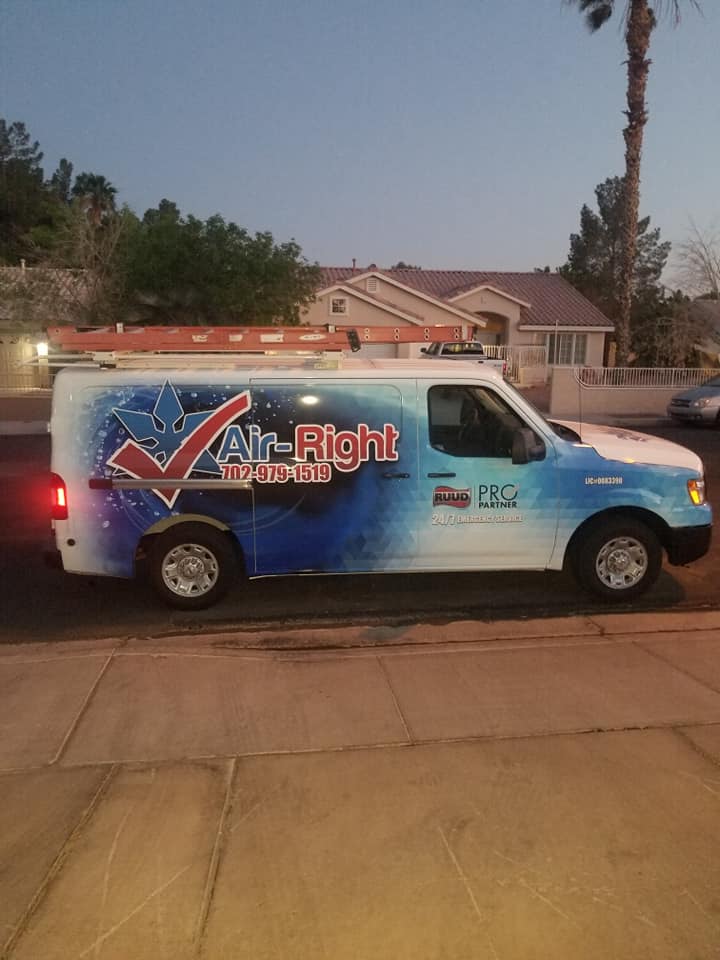
Is It a True Emergency? Fall Triage Guide for 24-Hour Air Conditioning Service in Las Vegas, NV
Air-Right

Facing Unusual HVAC Symptoms During the October Transition? Every October, our team at Air-Right receives calls from homeowners who finally adjust the thermostat on a chilly evening, and almost immediately, a strange,…
Facing Unusual HVAC Symptoms During the October Transition?
Every October, our team at Air-Right receives calls from homeowners who finally adjust the thermostat on a chilly evening, and almost immediately, a strange, burning odor fills the hallway—a moment that sends many searching for home maintenance tips and troubleshooting advice. The anxiety of flipping the system to heat for the first time in months is a common experience, especially when met with weak airflow or unsettling smells. You are suddenly faced with a frustrating dilemma: deciding if this symptom is a harmless seasonal quirk or a severe hazard requiring an immediate emergency call.
When your system acts up during the shift in seasons, understanding whether you need basic air conditioning services or immediate 24-hour AC repair in Las Vegas can save you from late-night panic.
Extreme desert environments create unique seasonal transition challenges for residential HVAC systems. As we often see during our fall maintenance routes, a standard October heating startup in this region requires the system to pivot from months of exhausting, high-capacity cooling directly into heating mode. Because the equipment has been subjected to relentless heat and airborne particulates, the initial transition is rarely seamless. Setting the right expectations and following proper triage steps can save you from unnecessary after-hours fees while ensuring your home remains safe and comfortable as the nighttime temperatures begin to drop.
The Hidden Toll of a Las Vegas Summer on Your HVAC System
To understand why your heating system might struggle during the fall transition, you have to look at what the equipment just endured. In our years servicing Las Vegas homes, we've seen firsthand how extreme summer conditions force local HVAC systems to run at maximum capacity for thousands of hours. In fact, a typical unit in the desert can easily log up to 3,000 hours of runtime, mostly concentrated during the brutal cooling season. This relentless operation leads to significant internal wear, vibration, and component fatigue that remains hidden until the seasons change.
The Mechanical Exhaustion of Triple-Digit Heat
When an air conditioner runs continuously, moving parts like blower motors, fan blades, and electrical contactors experience tremendous friction and thermal stress. Capacitors degrade under the constant electrical load, and belts can stretch or fray. By the time October arrives, the system is mechanically exhausted. If you spent the summer fixing an AC not cooling in triple-digit heat, you already know how hard the climate pushes these machines. Even if the cooling cycle survived the summer without a breakdown, the internal components are significantly weaker than they were in the spring.
Desert Dust and Dormant Heating Components
The arid, high-wind environment of the Las Vegas Valley forces heavy dust accumulation onto dormant heating components during the summer months. Microscopic desert dust easily bypasses standard air filters, settling directly onto the furnace heat exchanger, burners, and ignition sensors. Because these parts sit unused from May through September, the dust bakes onto the metal surfaces. Bridging the gap between summer AC exhaustion and the risks of starting up the heating cycle without preparation is critical. When that heavily coated heat exchanger finally fires up, the resulting symptoms can easily mimic a major mechanical failure, causing unnecessary alarm for homeowners.
Normal Desert Dust Burn-Off vs. Dangerous Malfunctions
Knowing what constitutes a normal fall startup smell versus a critical red flag is the most important part of seasonal HVAC triage. The infamous "burning dust" smell is a completely normal symptom during the first 15 to 30 minutes of operation. As the furnace burners ignite, the intense heat incinerates the settled desert dust that accumulated over the summer. This process creates a distinct, slightly earthy burning odor that will naturally dissipate as the heat exchanger clears itself.
However, you must contrast this benign dust smell with the sharp, acrid odor of electrical burning, melting plastic, or persistent smoke. These odors are never part of a normal October heating startup. An electrical smell usually points to a failing blower motor, a seized bearing, or melting wire insulation—all of which require immediate professional intervention. If you notice unusual rattling, grinding, or screeching noises, those indicate mechanical failure, not normal seasonal settling.
Symptom Comparison Guide
| Symptom Observed | Likely Cause | Required Action |
|---|---|---|
| Earthy, burning dust smell | Normal dust burning off the heat exchanger | Monitor for 15-30 minutes; should dissipate. |
| Sharp, acrid, or melting plastic odor | Electrical short, melting wires, or failing motor | Shut down system immediately and call for service. |
| Loud grinding or metal-on-metal screeching | Failing blower motor bearings or broken fan blade | Turn off system to prevent further mechanical damage. |
| Burning smell lasting over 60 minutes | Clogged filter, compromised heat exchanger, or debris in ducts | Shut down system and request professional inspection. |
If a burning smell lasts longer than an hour, the system must be shut down immediately. Prolonged odors indicate that the system is overheating or that a component is actively failing. Investing in routine AC maintenance and tune-ups before the heating season begins is the most effective way to clear this debris professionally, allowing you to bypass the stressful burn-off period entirely.

Safe Triage Steps to Take Before Requesting an Emergency Dispatch
Before you pick up the phone for a late-night emergency call, there are several safe, non-invasive checks you can perform. These steps help determine if you actually need an emergency technician, without encouraging dangerous do-it-yourself repairs. A thorough visual inspection can often resolve simple issues that mimic major breakdowns.
- Check the thermostat settings: Ensure the device is properly calibrated and explicitly set to the "Heat" mode. Sometimes, a bumped setting or a dead thermostat battery is the only reason the system refuses to engage. Verify that the temperature set point is actually higher than the current room temperature.
- Inspect the air filter: Clogged filters from summer dust storms are a leading cause of system failure and restricted airflow. A dirty filter chokes the blower motor, causing the furnace to overheat and trip its internal high-limit safety switch. Replacing a filthy filter with a fresh one will often restore normal operation instantly.
- Verify the electrical panel: Check to see if a tripped breaker is causing the system to short-cycle or fail to start. You can reset a tripped breaker once to see if it holds. However, if it trips a second time immediately upon startup, leave it off—this indicates a serious electrical fault.
It is vital to emphasize that opening the unit's cabinet or attempting to rewire internal components is strictly off-limits. Accessing the internal gas valves, high-voltage wiring, or control boards requires a licensed professional. Honest diagnostics from a qualified technician will always yield better results than dangerous guesswork. For example, during a recent commercial service call, our Air-Right technicians investigated two rooftop units that unexpectedly lost refrigerant. Instead of pushing for a costly replacement, our team traced the complex leak, demonstrated the underlying issue transparently to the property owner, and repaired it on the spot. That same level of transparent, professional troubleshooting is exactly what we provide when you face a potential heating failure.
When to Escalate to Immediate 24/7 HVAC Intervention
While basic troubleshooting is helpful, you must know exactly when to stop investigating and call for immediate emergency service. Certain symptoms pose a direct threat to your property and safety, requiring rapid intervention from a trusted local authority.
Critical Warning Signs
- Persistent electrical odors or visible smoke: If you see smoke or sparks coming from the vents or the unit itself, shut off the power at the breaker immediately. This is an active fire hazard.
- Sudden, complete system failure during freezing nights: While fall days are warm, nighttime temperatures in the desert can drop sharply. A complete loss of heat during a severe cold snap threatens indoor safety and requires immediate attention.
- Continuous tripping of the circuit breaker: If the breaker trips immediately upon system startup, it indicates a severe electrical short or a grounded compressor. Resetting it repeatedly can cause electrical fires or permanently destroy the equipment.
- Loud banging or booming upon ignition: This sound, known as delayed ignition, occurs when gas builds up in the combustion chamber before igniting. It can crack the heat exchanger and release carbon monoxide into the home.
Waiting until morning is simply not worth the risk when dealing with potential electrical faults, gas leaks, or fire hazards. Our team at Air-Right is the trusted local authority providing fast, reliable 24/7 emergency response and honest diagnostics, ensuring homeowners are never taken advantage of in a moment of panic. If you encounter any of these red flags, prioritizing safety is always the correct decision.
Why the Simple 'Thermostat Flip' is Risky Without a Safety Inspection
Many homeowners assume that transitioning to fall is as simple as switching the thermostat from "Cool" to "Heat." However, simply flipping the switch ignores the extreme internal wear generated over the summer. The transition period is the most vulnerable time for your equipment, and pushing an uninspected system into a new heating cycle can turn minor wear into a catastrophic failure.
Routine professional oversight ensures energy efficiency and prevents minor issues from becoming complete breakdowns. During a pre-winter inspection, a technician evaluates critical components that you cannot safely check yourself. This includes inspecting the heat exchanger for hairline cracks that could leak dangerous carbon monoxide, testing the flame sensor to ensure proper ignition, and verifying that all electrical connections remain tight after months of operational vibration.
Because we live and work in the Las Vegas Valley, we know exactly how harsh and dusty this environment is on your equipment. A professional inspection clears away this accumulated debris safely. Catching failing components—like a weak ignitor or a clogged condensate drain—before they result in a dangerous after-hours emergency is the primary goal of preventive maintenance. If you skipped your fall tune-up and are now experiencing strange symptoms, reaching out for AC repair service in Summerlin or the surrounding areas ensures a professional can verify the safety of your system before heavy winter use begins.
Frequently Asked Questions About Fall HVAC Triage in Las Vegas
Why does my heater smell like burning dust?
Dust settles on the heat exchanger during the dormant summer months when the heating cycle is entirely inactive. When the heat turns on for the first time in the fall, this accumulated dust burns off the metal surfaces, creating a temporary earthy odor. This is a normal part of the seasonal transition.
Is it safe to turn on my heater if it smells like burning?
It is generally safe if the smell is strictly burning dust and dissipates within 15 to 30 minutes of operation. However, if the air smells like melting plastic, ozone, or electrical burning, shut the system off immediately. These acrid odors indicate overheating wires or failing motors and require professional attention.
How do I prep my HVAC for winter in Las Vegas?
Start by changing the air filter, as summer dust storms quickly clog standard filters and restrict airflow. Next, clear any accumulated debris from around the outdoor unit to ensure proper ventilation. Finally, schedule a professional safety inspection to verify that all heating components and safety sensors are fully operational.
What maintenance should be done on a furnace in the fall?
Fall furnace maintenance focuses heavily on safety and combustion efficiency. A technician will inspect the heat exchanger for cracks, test the high-limit safety controls, clean the burners and flame sensor, and verify proper airflow. This comprehensive check prevents dangerous gas leaks and unexpected winter breakdowns.
How long does the burning smell last when turning on the heater?
The normal dust burn-off smell typically lasts between 15 to 30 minutes during the initial heating cycle. If you continue to smell burning odors after an hour of continuous operation, it is no longer normal settling. Anything lasting longer than an hour warrants a professional safety inspection to rule out restricted airflow or component failure.
Will an emergency AC technician respond to heating issues in the fall?
Yes, qualified HVAC technicians handle both cooling and heating emergencies year-round. Because modern climate control systems are deeply integrated, a professional technician has the tools and training to diagnose furnace failures, heat pump issues, and electrical faults regardless of the season.
Protect Your Home with a Professional Safety Inspection Today
Understanding the difference between normal October heating startup symptoms and a true emergency brings peace of mind as the seasons change. You don't have to guess whether that burning smell or strange noise is safe to ignore. Scheduling a professional evaluation ensures your system is safe, efficient, and ready for the upcoming winter season. If you are unsure about your system's safety, reach out to our team at Air-Right today for honest, reliable service that protects your home and your family.
Need Help?
Contact us today to discuss your needs. Our team is ready to help.
Related Articles
- Is It a True Emergency? A Triage Guide for 24-Hour Air Conditioning Service in Las Vegas, NV
- Troubleshooting Your Las Vegas, NV HVAC System for the October Transition
- Seasonal Home Maintenance Checklist: Avoiding the Need for 24-Hour Air Conditioning Service in Las Vegas, NV
Related articles


Ready to Get Started?
Whether you need a repair, maintenance, or a new installation, our expert team is here to help.