Beyond 24 Hour Air Conditioning Repair in Las Vegas: Comparing Single-Stage vs. Variable-Speed AC Replacements
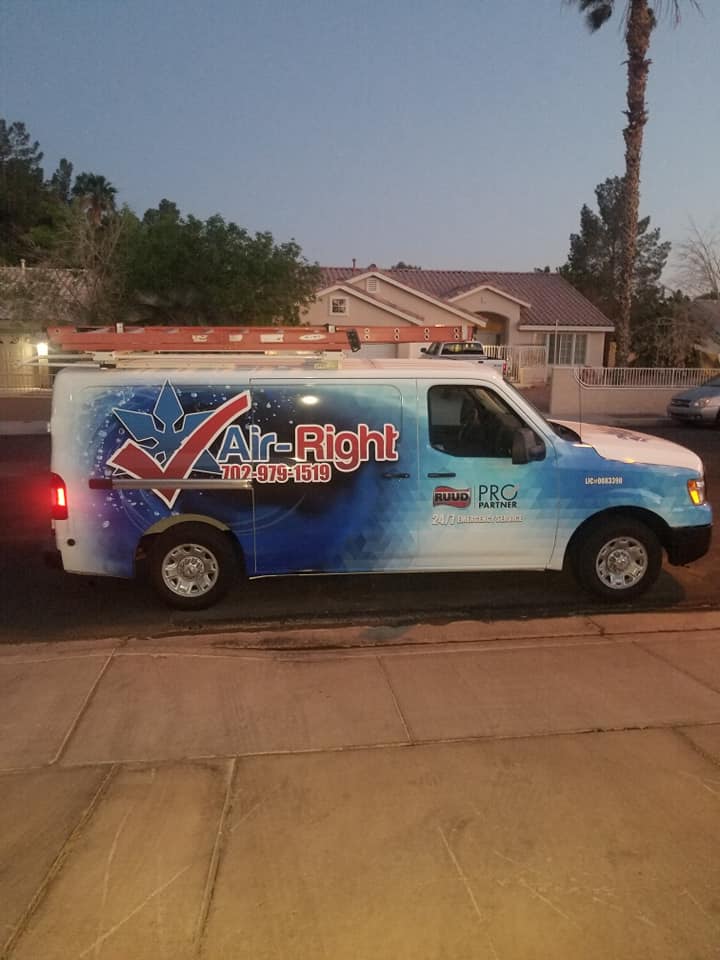
Air-Right

The Critical Pivot from Emergency Breakdown to Long-Term Replacement Air conditioners in the Las Vegas valley run up to 3,000 hours annually, making sudden breakdowns during peak summer a statistical reality rather than…
The Critical Pivot from Emergency Breakdown to Long-Term Replacement
Air conditioners in the Las Vegas valley run up to 3,000 hours annually, making sudden breakdowns during peak summer a statistical reality rather than a rare stroke of bad luck. When a system fails under these extreme conditions, navigating options comparisons for homeowners becomes an immediate priority. A sudden loss of cooling when outside temperatures exceed 110°F is not just an inconvenience; it rapidly becomes a household safety hazard. If you are currently dealing with a dead system, securing 24 hour air conditioning repair in Las Vegas is the first step to restoring safe indoor temperatures.
Our team at Air-Right recently helped a local homeowner navigate this exact crisis during a weekend when temperatures soared past 110°F. We performed a major same-day repair to restore basic cooling functionality and stabilize the home's temperature. Once the immediate crisis is stabilized, a critical decision follows: continue pouring money into repairing an obsolete system, or invest in a modern replacement capable of handling the severe desert thermal load. Evaluating replacement options requires looking beyond basic cooling output and understanding how different compressor technologies manage extreme, sustained heat over a multi-year lifespan.
Assessing the Severity of the Breakdown
In our years of servicing the Las Vegas valley, we've found that identifying when a system has reached the end of its operational lifecycle is the foundation of a smart replacement decision. There is a vast mechanical difference between a minor component failure, like a blown dual-run capacitor, and catastrophic compressor death. A capacitor can be swapped in minutes, but a seized compressor on an older system often signals that the unit's useful life is over.
Key factors to evaluate after a breakdown:
- Age of the equipment: Systems over 10-12 years old operating in the desert have often exceeded their designed run hours.
- Cost of repair vs. value: An industry rule of thumb we share with customers is to multiply the repair cost by the age of the equipment; if it exceeds the cost of a new system, replacement is the logical path.
- Refrigerant type: Older systems utilizing R-22 Freon face steep repair costs due to phase-outs, making major repairs financially impractical.
- Frequency of failures: Multiple service calls in a single summer indicate cascading mechanical degradation.
Rapid response is vital for household safety before making long-term replacement choices. Once the home is temporarily cooled, you can objectively evaluate the specific technologies required to survive the next decade of extreme heat.
Understanding Las Vegas Thermal Load and Southwest SEER2 Mandates
Evaluating comprehensive air conditioning services requires a clear understanding of the regulatory landscape and the unique environmental demands of the Mojave Desert. The U.S. Department of Energy (DOE) enforces strict regional standards for HVAC efficiency to reduce strain on the electrical grid. In 2023, the testing protocols were updated to SEER2 (Seasonal Energy Efficiency Ratio 2), which introduces higher external static pressure during testing to better simulate real-world ductwork conditions.
In the Southwest Region—which includes Nevada—split-system air conditioners under 45,000 BTUs must now meet a minimum of 14.3 SEER2. Older single-stage technology often falls short of these new mandates, making many traditional entry-level units obsolete for new installations. These regulations are not arbitrary; they are designed to ensure that homes in severe climates use electricity more efficiently during peak demand hours. Desert climates require systems that combat continuous dry thermal heat gain through roofs and walls, rather than systems optimized primarily for dehumidification.
Why Dry Heat Requires Specific Compressor Performance
Generic national HVAC advice often focuses heavily on humidity control. In the Southeast or Midwest, removing moisture from the air is half the battle for indoor comfort. In Nevada, that advice is largely irrelevant. The primary challenge our technicians see in the valley is continuous sensible heat load—the actual measurable temperature of the air and the radiant heat baking the structure of the home.
During a July afternoon, the sun relentlessly transfers heat through the attic, windows, and exterior walls. This creates a massive indoor-outdoor temperature differential. Proper system sizing and high SEER2 ratings directly impact the energy draw required to combat this peak afternoon sun. If a system is slightly undersized, it will never catch up to the thermal load. If it is oversized, it will cool the air too quickly without properly circulating it, leading to hot and cold spots throughout the house. Understanding this dynamic is crucial when comparing compressor types.
Single-Stage Compressors: The Traditional Approach to Desert Cooling
For decades, standard air conditioning relied on single-stage technology. When scheduling AC repair service in Henderson, our technicians frequently find older single-stage units struggling against the extreme summer temperatures. Single-stage systems operate on a simple binary premise: they are either 100% on or 100% off. There is no middle ground, no low gear, and no modulation.
When the thermostat registers a temperature increase above the set point, the system activates at full capacity. It blasts maximum cold air until the target temperature is reached, and then it shuts down completely. In mild weather, this cycle might happen a few times an hour. In extreme 110°F+ heat, the home absorbs heat so rapidly that the unit will rarely cycle off, drawing maximum amperage continuously for hours at a time. While these systems meet basic cooling needs and have a lower initial barrier to entry, the continuous cycling and high-amperage operation increase mechanical wear and tear significantly.
Pros and Cons of Single-Stage Systems:
- Pro: Lower initial purchase and installation costs compared to advanced variable-speed units.
- Pro: Simpler mechanical design often means less expensive replacement parts for basic repairs.
- Con: Highest electrical consumption due to operating exclusively at 100% capacity.
- Con: Noticeable temperature swings (2-3 degrees) between cooling cycles as the house warms up before the thermostat triggers the system again.
- Con: Louder operation, as the blower and compressor always run at maximum speed.
The Impact of Frequent Cycling on Component Lifespan
The highest electrical draw and mechanical stress on any HVAC system occur during startup. A compressor requires three to five times its normal running amperage to overcome inertia and start spinning—a phenomenon known as a "hard start." Frequent on/off cycles degrade capacitors and contactors much faster in severe climates. Every time a single-stage unit kicks on, it jolts the electrical components and the mechanical bearings. Over a 3,000-hour cooling season, this repetitive stress takes a heavy toll. Furthermore, because the system blasts air and then shuts off, traditional units often struggle to maintain an even temperature distribution across multiple rooms, leaving upper floors or distant bedrooms noticeably warmer.
Variable-Speed Technology: Continuous Cooling for 110°F+ Heat
Understanding what to do when your AC quits during a heatwave often leads homeowners to explore advanced solutions that prevent the problem from recurring. Variable-speed technology, driven by Variable Frequency Drive (VFD) and inverter technology, represents the modern standard for extreme climate cooling. Our team recently worked with a local customer who managed to keep their original single-stage units running for over 20 years with rigorous maintenance before we finally helped them upgrade to high-SEER variable-speed (VFD) systems to handle the modern thermal load more efficiently.
Unlike single-stage units, variable-speed compressors modulate their capacity, typically operating anywhere from 25% to 100%. Instead of shutting off when the target temperature is reached, they ramp down and run continuously at lower speeds. This allows the system to precisely match the thermal heat gain entering the home in real time. If it is 95°F outside, the system might "cruise" at 40% capacity. When the afternoon sun pushes the temperature past 110°F, it seamlessly ramps up to 80% or 90% to hold the line.
This continuous operation effectively eliminates the high-amperage hard starts associated with traditional units. By cruising at lower speeds, these systems maintain a perfectly consistent indoor temperature, even as outdoor temperatures peak. The thermostat setting remains locked in, eliminating the noticeable temperature swings of older technology.
Energy Draw and Lifecycle Efficiency
It sounds counterintuitive, but running an air conditioner continuously at a low speed consumes significantly less electricity than repeatedly starting it up at full power and shutting it down. Think of it like driving a car: maintaining a steady 55 miles per hour on the highway uses far less fuel than aggressive stop-and-go city driving.
The lifecycle benefits of variable-speed operation include:
- Reduced electrical consumption: Inverter-driven compressors use only the exact amount of electricity required to maintain the temperature, slashing monthly utility bills during peak summer.
- Lower mechanical stress: By eliminating harsh startups, the internal bearings, contactors, and capacitors experience a fraction of the wear and tear.
- Enhanced air filtration: Because the blower motor runs continuously at low speeds, indoor air is constantly circulating through the filter, capturing more dust and allergens.
The long-term energy efficiency often offsets the initial investment, particularly given the 3,000 annual run hours in the Las Vegas region. When factoring in the reduced likelihood of catastrophic component failure due to lower mechanical stress, the total cost of ownership over a 15-year period becomes highly competitive.
Side-by-Side Comparison: Which System Fits Your Home?
Synthesizing these technical details into a clear, objective comparison is the best way to aid the decision-making process. We advise our clients that the right choice depends heavily on your budget, your long-term plans for the property, and your tolerance for temperature fluctuations during the hottest months of the year.
When looking at performance in 110°F+ conditions, the single-stage unit will run at maximum capacity constantly, acting as a blunt instrument against the heat. The variable-speed unit will adjust dynamically, acting as a precision tool. In terms of energy efficiency, a single-stage system will meet the minimum SEER2 mandates required by law, whereas a variable-speed system will far exceed them, often reaching 18 to 24 SEER2. Temperature consistency is another major dividing line: single-stage systems inherently allow for minor temperature fluctuations between cycles, while variable-speed systems maintain exact thermostat settings down to the half-degree.
| Performance Metric | Single-Stage Compressor | Variable-Speed Compressor | Impact in 110°F+ Heat |
|---|---|---|---|
| Operation Style | 100% On / 100% Off | Modulates 25% to 100% | Variable speed prevents sudden blasts of cold air and maintains steady comfort. |
| Energy Efficiency | Meets minimum 14.3 SEER2 | Often exceeds 18+ SEER2 | Variable speed significantly lowers high summer utility bills. |
| Temperature Consistency | 2-3 degree swings between cycles | Precise to within 0.5 degrees | Variable speed eliminates hot spots and the "waiting for the AC to kick on" feeling. |
| Mechanical Wear | High (frequent hard starts) | Low (smooth ramping) | Lower mechanical stress extends the operational lifespan of critical components. |
| Upfront Cost | Lower initial investment | Higher initial investment | Single-stage is budget-friendly upfront; variable speed pays back over time. |

Why Advanced Compressors Require Specialized Local Expertise
The shift from traditional on/off cooling to modulated inverter technology brings significant benefits, but it also introduces mechanical complexity. Whether you need Summerlin AC repair or a full system overhaul, advanced compressors require highly trained, readily available local technicians. Recently, when one homeowner needed prompt attention for a failing system during peak summer, our Air-Right technicians responded the next day, thoroughly servicing the unit and explaining the complex diagnostics using photos of the internal components. This level of technical transparency is essential when dealing with high-end equipment.
Variable-speed systems involve complex electronics, proprietary communicating thermostats, intricate inverter boards, and exact refrigerant charging requirements. Improper installation of a high-efficiency unit will instantly negate its energy-saving benefits and lead to premature failure. If the ductwork is not properly evaluated, or if the refrigerant charge is off by even a few ounces, the inverter will struggle to modulate correctly.
Critical installation requirements for advanced systems:
- Precision Load Calculations: Guessing the required tonnage based on the old unit's size is unacceptable. A strict Manual J load calculation ensures the variable-speed unit can modulate accurately.
- Communicating Thermostats: These systems require specialized thermostats that send complex data packets to the air handler and compressor, not just simple on/off voltage signals.
- Ductwork Integrity: A variable-speed blower relies on specific static pressure. Leaky or undersized ducts will force the motor to overwork, leading to early failure.
- Shielded Wiring: Inverter drives can create electrical noise; proper shielding and grounding are mandatory to prevent interference with the home's electronics.
When dealing with extreme heat, homeowners need a partner capable of diagnosing and servicing advanced technology without delay. Round-the-clock availability ensures that if an issue arises, highly trained technicians can respond rapidly to protect the household. Advanced technology demands reliable, 24/7 support to guarantee that your investment continues to perform when the desert sun is at its worst.
Frequently Asked Questions About AC Replacements in Las Vegas
Is a variable speed AC worth it in a hot climate like Las Vegas?
Yes, variable-speed technology is highly beneficial in extreme heat environments. Because Las Vegas air conditioners can run up to 3,000 hours a year, the energy savings from a system that modulates its power draw rather than running at 100% capacity quickly add up. The continuous, low-speed operation also provides superior temperature consistency during 110°F+ afternoons.
What is the difference between single-stage and variable speed AC?
The primary difference lies in the compressor's capacity to adjust. A single-stage AC only has one speed: full blast. It turns on at 100% capacity until the house cools, then shuts off completely. A variable-speed AC uses an inverter to adjust its cooling output anywhere from 25% to 100%, matching the exact amount of heat entering the home at any given moment.
Does a variable speed AC run all the time?
During the peak of summer, a variable-speed AC is designed to run almost continuously at very low speeds. This is a feature, not a flaw. By running steadily at 30% or 40% capacity, it uses far less electricity than a traditional unit that repeatedly turns on at 100% power. This continuous operation also keeps the indoor air perfectly mixed and filtered.
How long do variable speed AC units last in the desert?
With rigorous annual maintenance, a variable-speed AC unit can last 12 to 15 years, even under the heavy workload of the Mojave Desert. Because the inverter technology eliminates the harsh, high-amperage "hard starts" that plague single-stage units, the internal mechanical components experience significantly less daily wear and tear, which can help extend the system's overall lifespan.
Does variable speed AC save electricity in extreme heat?
Yes, variable-speed units are vastly more energy-efficient. Even though they run for longer periods, they operate at a fraction of the electrical draw. Eliminating the massive power surges required to start a single-stage compressor dozens of times a day results in a noticeably lower monthly utility bill, especially during July and August.
What are the current SEER2 requirements for Nevada?
Nevada falls under the U.S. Department of Energy's Southwest Region guidelines. For split-system air conditioners under 45,000 BTUs, the federal mandate requires a minimum efficiency rating of 14.3 SEER2. Systems over 45,000 BTUs must meet a minimum of 13.8 SEER2. Installing high-efficiency variable-speed units easily surpasses these minimum regulatory requirements.
Making an Informed Replacement Decision for Your Home
Choosing between single-stage and variable-speed technology depends on your home's unique thermal load, the condition of your existing ductwork, and your long-term energy efficiency goals. While a single-stage unit offers a lower initial barrier to entry, the long-term energy savings, superior comfort, and reduced mechanical wear of a variable-speed system make it an exceptional choice for the severe Las Vegas climate.
At Air-Right, our priority is ensuring your home remains safe and comfortable through the peak of summer. A proper load calculation by a licensed professional is the first step toward a successful installation. A clear, unbiased technical comparison of single-stage vs. variable-speed units helps you confidently choose the right system for your budget, cooling needs, and the intense local climate.
Need Help?
Contact us today to discuss your needs. Our team is ready to help.
Related Articles
- Is It a True Emergency? A Fall Triage Guide for 24-Hour Air Conditioning Service in Las Vegas, NV
- Emergency AC Repair Signs: Navigating Heating-Startup and Fall Maintenance
- Is That Burning Smell an Emergency? Triaging Fall Heating and 24-Hour Air Conditioning Service in Las Vegas, NV
Related articles


Ready to Get Started?
Whether you need a repair, maintenance, or a new installation, our expert team is here to help.