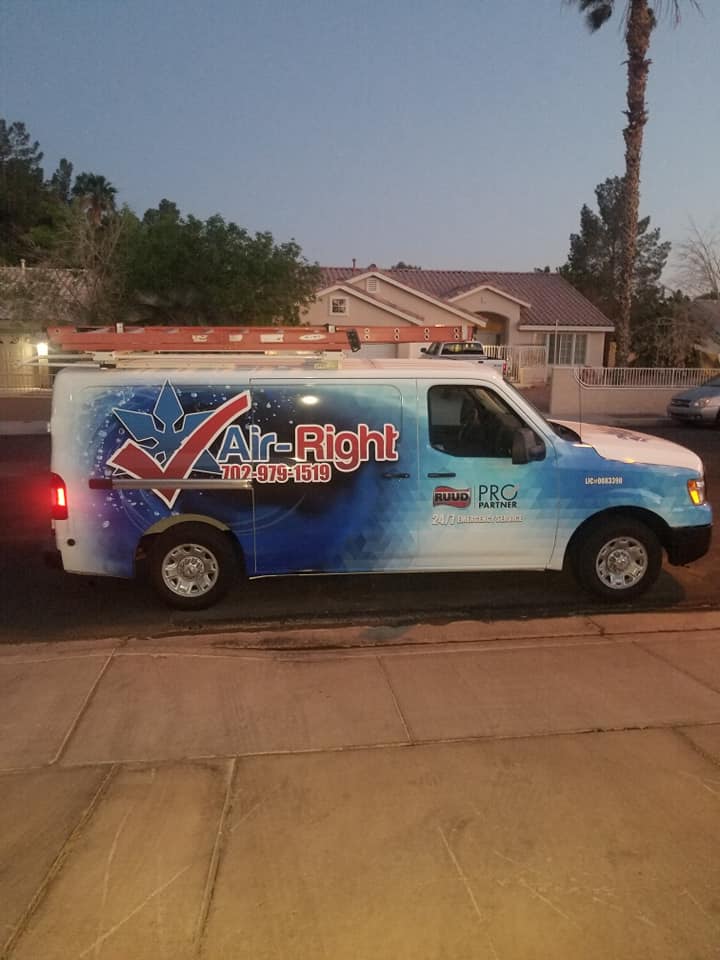
24/7 Emergency Residential HVAC Repair: What Qualifies as a True AC Emergency?
Air-Right

Is Your AC Struggling, or Is It a True Cooling Emergency? Is your air conditioner running nonstop, but the house still feels uncomfortably warm? If you are looking to get common homeowner questions answered, figuring…
Is Your AC Struggling, or Is It a True Cooling Emergency?
Is your air conditioner running nonstop, but the house still feels uncomfortably warm? If you are looking to get common homeowner questions answered, figuring out whether your struggling AC is just working hard or experiencing a true mechanical emergency is usually at the top of the list. Listening to your system run continuously while the indoor temperature refuses to drop naturally causes panic. You rely on your cooling system to maintain a safe environment, and when it falls behind, it is easy to assume the worst.
The first step in diagnosing the issue is determining whether you are dealing with a simple airflow restriction, a system pushed to its absolute design limits, or a mechanical failure that requires professional intervention. During periods of peak summer extreme heat in Las Vegas, a struggling air conditioner quickly turns from a minor inconvenience into a serious health hazard. Knowing how to identify the root cause of the problem helps you make the right call and protects your equipment from further damage.
If you need immediate help, explore our comprehensive air conditioning services or schedule an AC repair service in Las Vegas right away.
Understanding the 20-Degree Maximum Temperature Differential
Before assuming your system is broken, it is important to understand the technical limits of standard residential cooling equipment. Most air conditioning systems are designed following specific guidelines established by ASHRAE (American Society of Heating, Refrigerating and Air-Conditioning Engineers) and the Department of Energy. These standards dictate that standard residential units are built to maintain a maximum 20-degree temperature differential between the outdoor ambient air and the indoor air.
What this means for your home: If the outside temperature is 115 degrees, a system that cools your house to 95 degrees is actually operating at its maximum design capacity. It is not broken; it is simply maxed out by the brutal 110-degree-plus reality of the local climate. When ambient temperatures exceeding system design limits occur, the air conditioner will run continuously because it can never reach the 72-degree setting on your thermostat.
| Outdoor Ambient Temperature | Maximum Expected Indoor Cooling Limit | System Status |
|---|---|---|
| 95°F | 75°F | Normal Operation |
| 105°F | 85°F | Heavy Load / Continuous Running |
| 115°F | 95°F | Maximum Capacity Reached |
How Extreme Heat Impacts Heat Exchange
Air conditioners do not actually create cold air; they remove heat from the inside of your home and release it outside. This process relies on a chemical refrigerant absorbing heat inside the evaporator coil and releasing it through the condenser coil outdoors. When the outdoor air is excessively hot, the system struggles to dump the heat it collected from inside your house. The physics of heat exchange dictate that transferring heat into an already scorching environment takes significantly more energy and time.
To safely check if your system is actually cooling the air, you can measure the temperature drop across your equipment. Hold a basic thermometer near the return vent (where air gets sucked in) for a few minutes and record the temperature. Then, hold it near a supply vent (where cold air blows out). A healthy system should show a difference of roughly 15 to 20 degrees between the two readings. If the air coming out is 15 degrees cooler than the air going in, the equipment is functioning properly, even if the house feels warm.
User-Serviceable Airflow Issues vs. Professional Repairs
If your system is failing to cool the house and the outdoor temperatures are relatively mild, you might be dealing with an airflow restriction. Restricted airflow is a leading cause of frozen evaporator coils. When warm indoor air cannot blow across the indoor coil freely, the condensation on the cold metal freezes solid into a block of ice. Once the coil freezes, the system will continue to run, but it will only blow warm air or no air at all.
Sometimes, cooling issues are highly localized. One local homeowner struggled for six years to cool their daughter's room, cycling through multiple service companies without success. The actual culprit was a hidden break in the ductwork preventing airflow from reaching that specific room. Once the break was found and repaired, cold air finally reached the space, solving the long-standing issue entirely. This highlights why thorough inspections matter.
Before calling for emergency service, walk through these safe DIY checks:
- Inspect the air filter: A clogged, dirty filter chokes the blower motor and prevents proper heat exchange. Replace it if it is visibly dark or coated in dust.
- Check the thermostat settings: Ensure the thermostat is set to "Cool" and the fan is set to "Auto" rather than "On." If the fan is set to "On," it will blow unconditioned air between cooling cycles.
- Verify all vents are open: Closing vents in unused rooms increases static pressure inside the ductwork, which makes the blower motor work harder and disrupts the system's intended airflow balance.
- Clear the outdoor unit: Make sure no leaves, branches, or patio furniture are blocking the outdoor condenser unit. It needs at least two feet of clearance on all sides to release heat effectively.
If you complete these checks and the system still struggles during normal weather, it might be time for routine AC maintenance to clean the coils and check the refrigerant levels.
When to Shut Down Your AC Immediately at the Thermostat
Leaving a struggling system running while it experiences a mechanical failure is one of the fastest ways to cause permanent compressor damage. The compressor is the heart of your cooling system, and replacing it is often as expensive as replacing the entire outdoor unit. If you notice specific warning signs, you must turn the system off immediately to protect the equipment.
Critical signs that require immediate system shutdown:
- Electrical burning smells: An odor resembling burning plastic or ozone indicates overheating wires or a failing motor.
- Strange grinding or screeching noises: Loud metal-on-metal sounds from the outdoor unit usually mean the compressor or fan motor bearings are failing.
- Complete power loss: If the unit trips the circuit breaker repeatedly, it is drawing too much amperage due to a serious electrical short.
- Water flooding indoors: A clogged condensate drain line or a completely frozen evaporator coil melting rapidly will cause water to back up and damage your ceilings or floors.
During a 110-degree weekend, one homeowner experienced a complete AC power failure. Because they recognized the severity of the situation and shut the system off immediately, technicians were able to perform a major same-day repair and restore cooling quickly without having to replace a destroyed compressor.
How to safely turn off your AC:
- Walk to your indoor thermostat.
- Switch the system mode from "Cool" to "Off."
- Switch the fan mode from "Auto" or "On" to "Off."
- If the thermostat is unresponsive, locate your home's main electrical panel and flip the breaker labeled "AC" or "HVAC" to the off position.
Once the equipment is safely powered down, you can review what to do when your AC breaks down in extreme heat while waiting for a professional technician to arrive.

The Danger of Misdiagnosing Electrical and Motor Failures
Modern air conditioning systems rely on complex electrical circuits, capacitors, relays, and heavy-duty motors to function. When ambient temperatures exceeding system design limits stress the equipment, these electrical components bear the brunt of the load. The danger for homeowners lies in how similar different electrical failures can look from the outside.
Symptoms of a failing blower motor or condenser fan motor often mimic much simpler issues, like a bad capacitor or a loose wiring connection. Misdiagnosis is a common problem in the industry. For example, one customer was previously told they needed a complete motor replacement due to a system failure. A quick, accurate secondary evaluation by a qualified technician revealed the problem was actually a simple faulty wiring connection, saving the homeowner from buying an unnecessary motor.
Professional technicians use specialized diagnostic tools, such as multimeters and capacitance testers, to measure the exact electrical draw and identify the precise point of failure. They test the microfarad reading on capacitors, check the continuity of wires, and measure the amperage of the compressor under load. Because these systems handle high-voltage electricity, electrical troubleshooting should never be attempted as a DIY project. Touching the wrong component, even with the power turned off, can result in severe injury due to stored energy in the capacitors.
Aging Systems: Repairing vs. Replacing Under Extreme Load
When an emergency breakdown occurs, the immediate goal is always to restore cooling. However, when dealing with older equipment, a major failure under extreme load often forces a conversation about the long-term viability of the system. Routine maintenance extends the life of older units significantly, but years of operating in harsh desert climates eventually weaken internal components.
Signs that an aging unit may no longer be viable include:
- Severe or repeated refrigerant leaks inside the evaporator coil.
- A compressor that frequently overheats and trips the thermal overload switch.
- Repeated motor failures despite regular lubrication and cleaning.
- The system uses outdated R-22 refrigerant, making major repairs cost-prohibitive.
During a routine summer service visit, one homeowner realized their aging unit needed more than just a quick fix. Because the technicians provided honest, clear evaluations of the system's overall condition rather than pushing a temporary patch, the customer felt confident making the right long-term choice for their home. Upgrading a severely compromised system provides immediate safety benefits, drastically improves energy efficiency, and removes the constant worry of another breakdown during the next heatwave. If your system is facing catastrophic failure, exploring an AC replacement often makes more financial sense than pouring money into a failing unit.
Frequently Asked Questions About AC Emergencies
What constitutes an AC emergency in extreme heat?
An AC emergency is any situation where a mechanical failure poses a direct risk to your health, safety, or property. This includes complete system failure during peak summer extreme heat, electrical burning smells, loud grinding noises from the compressor, or significant indoor water leaks. If the indoor temperature rises to dangerous levels and the system is unresponsive, you need emergency professional intervention.
Should I turn off my AC if it's running but not cooling?
Yes, you should immediately turn off your air conditioner if it runs continuously without producing cold air. Leaving a malfunctioning system running forces the compressor to overwork, which frequently leads to permanent, expensive equipment damage. Shutting the system down at the thermostat protects the internal components while you wait for a technician to diagnose the root cause.
How long can you go without AC in extreme heat?
The amount of time you can safely go without air conditioning depends entirely on the outdoor temperature and the health of the people inside the home. Clark County extreme heat safety guidelines emphasize the necessity of functional indoor cooling when outdoor temperatures exceed 105 degrees. In these conditions, indoor temperatures can become hazardous within a few hours, making prompt emergency repair essential.
Why is my AC running continuously but not cooling?
Your system may be running continuously due to a severe airflow restriction, a frozen evaporator coil, or a loss of refrigerant. Alternatively, if the outdoor temperature is well above 110 degrees, the system may simply be maxed out by ambient design limits and unable to lower the temperature further. Checking your air filter and measuring the temperature drop at the vents can help determine if it is a mechanical failure.
How do I know if my compressor is failing?
A failing compressor typically gives clear auditory and operational warning signs before it dies completely. You may hear loud clanking, screeching, or grinding noises coming from the outdoor unit when the system starts up. Additionally, a dying compressor may cause the system to trip the circuit breaker repeatedly or struggle to push cold air through the vents.
Secure Your Home's Cooling with Professional 24/7 Support
Understanding how your cooling equipment responds to extreme heat empowers you to make smart decisions when the temperature spikes. Recognizing the difference between a dirty air filter and a dying compressor saves you time, money, and unnecessary stress. Knowing exactly when to shut down the system and call a professional is the single best way to prevent permanent damage to your equipment.
True mechanical failures require immediate, qualified intervention. Air-Right is committed to providing fast, reliable, round-the-clock emergency service to keep Las Vegas families safe from the extreme desert heat. If your system is showing signs of distress, do not wait for it to fail completely. Take action to secure your home's comfort and get an expert evaluation today.
Need Help?
Contact us today to discuss your needs. Our team is ready to help.
Related Articles
- Is It a True Emergency? A Fall Triage Guide for 24-Hour Air Conditioning Service in Las Vegas, NV
- Emergency AC Repair Signs: Navigating Heating-Startup and Fall Maintenance
- Is That Burning Smell an Emergency? Triaging Fall Heating and 24-Hour Air Conditioning Service in Las Vegas, NV
Related articles


Ready to Get Started?
Whether you need a repair, maintenance, or a new installation, our expert team is here to help.