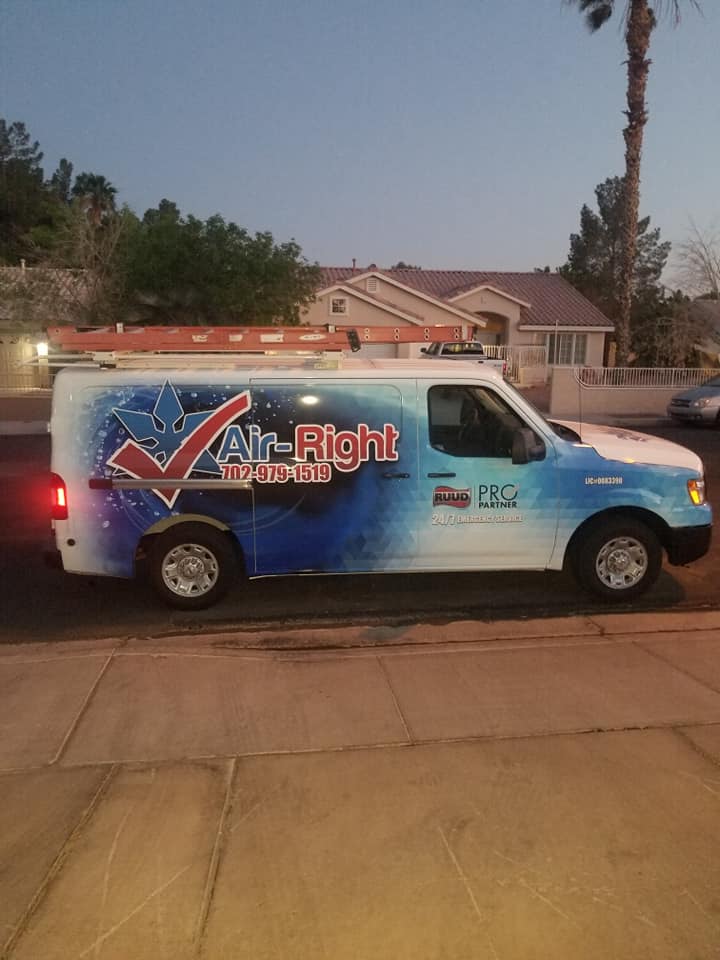
Is It a True Emergency? A Triage Guide for 24-Hour Air Conditioning Service in Las Vegas, NV
Air-Right

Are You Facing a True HVAC Emergency or a Strategic Upgrade Opportunity? Is your air conditioning system actually experiencing a sudden, catastrophic breakdown, or are those strange noises just the final symptoms of…
Are You Facing a True HVAC Emergency or a Strategic Upgrade Opportunity?
Is your air conditioning system actually experiencing a sudden, catastrophic breakdown, or are those strange noises just the final symptoms of long-term mechanical fatigue? When navigating options comparisons for homeowners, our team at Air-Right finds that determining the true severity of a heating or cooling issue is always the first and most crucial step. We regularly see homeowners staring at a thermostat that refuses to drop, wondering if they need immediate rescue or a long-term strategy.
As the intense summer heat begins to fade, you are likely facing a very concrete problem: deciding whether to keep patching up an aging unit that barely survived the brutal summer, or addressing the root cause before winter arrives. The upcoming October desert temperature drop forces a critical decision point. You must choose whether to invest in end-of-season triage repairs to keep your struggling equipment limping along, or to upgrade to a modern, reliable system that handles both extremes.
Before you make a rushed decision in the middle of a breakdown, it pays to have our professionals evaluate your equipment. Exploring your options for Air Conditioning upgrades or scheduling a targeted AC repair service in Las Vegas will give you the clarity you need to move forward confidently.
What Constitutes a True HVAC Emergency in the Las Vegas Valley?
Not every unusual sound or slight temperature fluctuation requires a midnight service call. However, knowing the difference between a true safety hazard and a minor inconvenience is vital for protecting your home and family. In our years serving the Las Vegas Valley, we at Air-Right know that extreme desert temperatures elevate the urgency for an immediate response, especially when vulnerable family members, such as infants or the elderly, are present in the home.
A true emergency typically involves a situation where the indoor environment rapidly becomes unsafe, or where continuing to run the system risks catastrophic property damage. For example, our dispatch team recently routed a technician to a local homeowner who experienced a complete AC power failure during a 110-degree weekend heat wave this past summer. Because triple-digit heat makes complete failures a severe safety hazard, our fast, reliable 24/7 emergency dispatch team arrived the same day, successfully repairing the system and restoring safe indoor temperatures before the house became dangerously hot.
If you are currently experiencing a sudden motor failure, a complete lack of airflow, or electrical burning smells, you need immediate professional intervention. If your situation is uncomfortable but not yet dangerous, you can review our guide on how to fix AC not cooling in triple-digit heat for troubleshooting steps while you wait for standard service hours.
Identifying Immediate Safety Hazards
Certain symptoms should automatically trigger an emergency dispatch. Do not wait for standard business hours if you notice any of the following:
- Electrical issues, sparking, or smoke: If you smell burning plastic or see sparks near your indoor or outdoor unit, shut off the power at the breaker immediately and call for 24-hour service.
- Complete system shutdown during peak temperature spikes: A total loss of cooling during a severe heat wave poses a direct threat to your family's health and requires urgent attention.
- Leaking refrigerant indoors: Hissing sounds accompanied by a sweet, chemical smell indicate a refrigerant leak that requires professional containment and repair.
Situations That Can Wait for Standard Service
While frustrating, our technicians note that some issues do not pose an immediate threat to your safety or your equipment. These can typically wait for a scheduled daytime appointment:
- Minor strange noises without performance loss: A new rattle or hum that does not impact the temperature in your home should be checked, but it is rarely a midnight emergency.
- Slightly reduced airflow: If the system is still maintaining a safe, comfortable indoor temperature, a partially clogged filter or minor duct issue can be addressed during normal business hours.
- Thermostat display glitches: If the screen is blank but the system is still running its cycles normally, the issue is likely a dying battery or minor wiring fault.
How the October Desert Temperature Drop Stresses Aging Equipment
A pattern we see often at Air-Right is how uniquely demanding our regional climate is on mechanical equipment. The Las Vegas Valley experiences dramatic 60-plus degree annual temperature swings, forcing HVAC systems to work overtime nearly all year long. While summer pushes the cooling cycle to its absolute limit, the fall shoulder season introduces a completely different type of mechanical stress.
As we approach the October desert temperature drop, it is not uncommon to need air conditioning during the heat of the afternoon and heating during the chilly overnight hours. Transitioning from cooling to heating in the same week—or even the same day—forces internal components like reversing valves, blower motors, and contactors to shift operations rapidly. An aging air conditioner that endured intense summer workloads is highly vulnerable to failing precisely during this transition.
Furthermore, the sudden shift to near-freezing winter nights requires a reliable heating startup. If your furnace or heat pump has been sitting idle for months, firing it up for the first time puts immense strain on the ignition systems, heat exchangers, and electrical relays. We strongly recommend catching these vulnerabilities before a late-season breakdown occurs through proactive, professional care. Scheduling routine AC maintenance allows an Air-Right technician to inspect and calibrate your system, ensuring it can handle the intense demands of the fall transition.
Late-Season Breakdowns: When to Triage and When to Upgrade
In our experience, a late-season emergency breakdown often serves as the ultimate catalyst for conducting options comparisons for homeowners. When your system fails just as the October desert temperature drop begins, you are forced to evaluate whether it makes sense to repair a specific component or to stop paying for ongoing triage entirely.
Consider a situation where an AC motor fails unexpectedly. One local homeowner faced this exact scenario late last summer; our team fitted them in for service first thing the next morning, providing a prompt repair that restored their cooling. In that instance, a targeted repair made perfect sense because the rest of the system was in good condition. However, if that same motor failure happens on a fifteen-year-old unit that has already broken down twice this year, investing in another temporary fix is likely a waste of resources.
Evaluating an aging system's viability requires looking at the age of the unit, the frequency of recent breakdowns, and the type of refrigerant it uses. Keep in mind that generic federal tax credits and local utility incentives may be available to offset the cost of high-efficiency upgrades, making a full replacement more accessible than you might think. Always consult with a tax professional or your local utility provider to verify which generic incentive programs apply to your specific installation.
Signs Repair is the Right Choice
- The system is relatively new and under warranty: If your equipment is under ten years old and the manufacturer's warranty covers the replacement parts, repairing the unit is almost always the most logical step.
- The breakdown is an isolated issue: A localized duct problem, a faulty capacitor, or a minor electrical relay failure are standard wear-and-tear issues that do not indicate a failing system.
- Consistent past performance: If the unit has historically kept your home perfectly comfortable and this is its first major hiccup, a professional repair will likely restore its reliability.
Indicators That Replacement is More Strategic
- The unit requires R-22 refrigerant: R-22 has been phased out of production. If your older system develops a leak, sourcing this obsolete refrigerant is incredibly difficult and highly impractical, making replacement the only viable long-term solution.
- Multiple failures over the past two seasons: If you are on a first-name basis with our repair technicians because the system breaks down every few months, you are experiencing systemic failure.
- Rising energy bills: If your utility costs are climbing steadily despite normal usage, your aging compressor is losing its efficiency and struggling to keep up with the demand.
| Factor to Consider | Leans Toward Repair | Leans Toward Replacement |
|---|---|---|
| System Age | Under 10 years old | Over 10-15 years old |
| Breakdown Frequency | First major issue in years | Multiple service calls in the last 24 months |
| Refrigerant Type | Uses modern R-410A (or newer) | Relies on obsolete R-22 |
| Overall Comfort | Even temperatures throughout the house | Hot and cold spots, poor humidity control |

Evaluating Heat Pumps vs. Traditional AC and Furnace Combos
If your late-season breakdown points toward a full replacement, you have an excellent opportunity to rethink how you heat and cool your home. Many homeowners automatically assume they need to replace their equipment with another traditional air conditioner and gas furnace combination. However, our installation team at Air-Right frequently recommends modern heat pumps, which provide both cooling and heating, offering incredibly efficient climate control perfectly suited for desert environments.
Unlike a furnace that burns fuel to generate heat, a heat pump uses refrigerant to absorb heat from the outside air and move it indoors. Even during cold Las Vegas Valley winter nights, there is enough ambient heat in the air for a modern heat pump to extract and transfer inside. Because they move heat rather than generating it, heat pumps are remarkably efficient. During the summer, the reversing valve simply switches direction, allowing the system to act exactly like a high-performance air conditioner, pulling heat out of your home and releasing it outside.
Upgrading to a heat pump during the fall shoulder season ensures your home is fully prepared for winter without the panic of a mid-winter furnace failure. Because every home has different insulation levels, ductwork layouts, and sun exposure, it is crucial to consult a local expert to size and select the right system for your specific microclimate. Whether you opt for a heat pump or a traditional split system, reaching out to our team for Summerlin AC repair and installation advice ensures you get a system engineered for the desert's unique demands.
Frequently Asked Questions About HVAC Triage and Upgrades in Nevada
When should I replace my AC instead of repairing it?
Our technicians typically advise replacing your AC if the unit is over 10 to 15 years old and experiencing frequent breakdowns. A good rule of thumb in the Las Vegas Valley is to evaluate the cost of the repair against the remaining lifespan of the unit. If the system uses obsolete R-22 refrigerant or requires a major component replacement like a compressor, investing in a new, high-efficiency system is generally the smarter financial decision. Continuing to repair a failing system only delays the inevitable while keeping your monthly energy bills high.
Should I replace my AC and furnace at the same time?
Yes, we highly recommend replacing both the indoor and outdoor units simultaneously for optimal performance and efficiency. Modern air conditioners and furnaces are designed to operate as a matched set, sharing the same blower motor and internal communication systems. If you pair a brand-new, high-efficiency air conditioner with an aging, inefficient furnace, the older components will drag down the performance of the new unit. Replacing them together ensures you get the full lifespan, energy savings, and warranty coverage from your new equipment.
Are heat pumps good for Las Vegas weather?
Heat pumps are exceptionally well-suited for the climate in the Las Vegas Valley. Because our region rarely experiences sustained, deep-freeze temperatures below zero, a heat pump can efficiently extract enough ambient heat from the winter air to keep your home warm and comfortable. In the summer, they operate exactly like a traditional air conditioner to combat the triple-digit heat. By handling both heating and cooling in a single, highly efficient unit, we find that heat pumps offer an excellent year-round solution for desert homeowners.
How long do air conditioners typically last in Las Vegas?
Due to the extreme heat and long cooling seasons, air conditioners in our region generally last between 10 and 15 years. The intense workload required to combat triple-digit summer temperatures puts significant wear and tear on the compressor and condenser coils. Homeowners who schedule consistent, professional preventative maintenance with our team often see their systems reach the upper end of that lifespan. Conversely, systems that are neglected or improperly sized for the home will often fail much earlier due to excessive mechanical strain.
What steps should I take to stay safe while waiting for 24-hour AC repair?
If your AC fails during a heat wave, your first priority is to minimize heat gain inside the home by closing all blinds, shades, and curtains. Avoid using heat-generating appliances like ovens, stoves, or dryers, and keep exterior doors closed as much as possible. Turn on ceiling fans to circulate the remaining cool air, and ensure you and your family stay hydrated. If the indoor temperature reaches dangerous levels before our technician arrives, relocate vulnerable family members and pets to a cooler location, such as a neighbor's house or a public cooling center.
Make a Confident Decision for Your Home's Comfort
Understanding whether to repair your struggling equipment or replace it entirely brings immense peace of mind. As the October desert temperature drop approaches, you do not have to guess if your system will survive the transition from cooling to heating. By evaluating the age, breakdown history, and efficiency of your current unit alongside our team, you can make a strategic choice that protects your home and your budget.
Do not wait for a total system failure in the dead of winter to start evaluating your options. Be proactive and talk to the local experts at Air-Right who understand the unique demands of our desert climate. If you are unsure about the viability of your aging unit, schedule a comprehensive inspection or an AC repair service in Las Vegas today to ensure your home remains safe, efficient, and perfectly comfortable all season long.
Need Help?
Contact us today to discuss your needs. Our team is ready to help.
Related Articles
- Fall HVAC Checklist: Triage Guide for 24-Hour Air Conditioning Service in Las Vegas, NV
- Is Your Fall Heater Startup a True Emergency? A Guide to 24 Hour Air Conditioning Service in Las Vegas, NV
- Fall HVAC Triage: When to Call for 24-Hour Air Conditioning Service in Las Vegas, NV
Related articles


Ready to Get Started?
Whether you need a repair, maintenance, or a new installation, our expert team is here to help.