Is It a True Emergency? Troubleshooting Post-Summer AC Issues and 24-Hour Air Conditioning Service in Las Vegas, NV
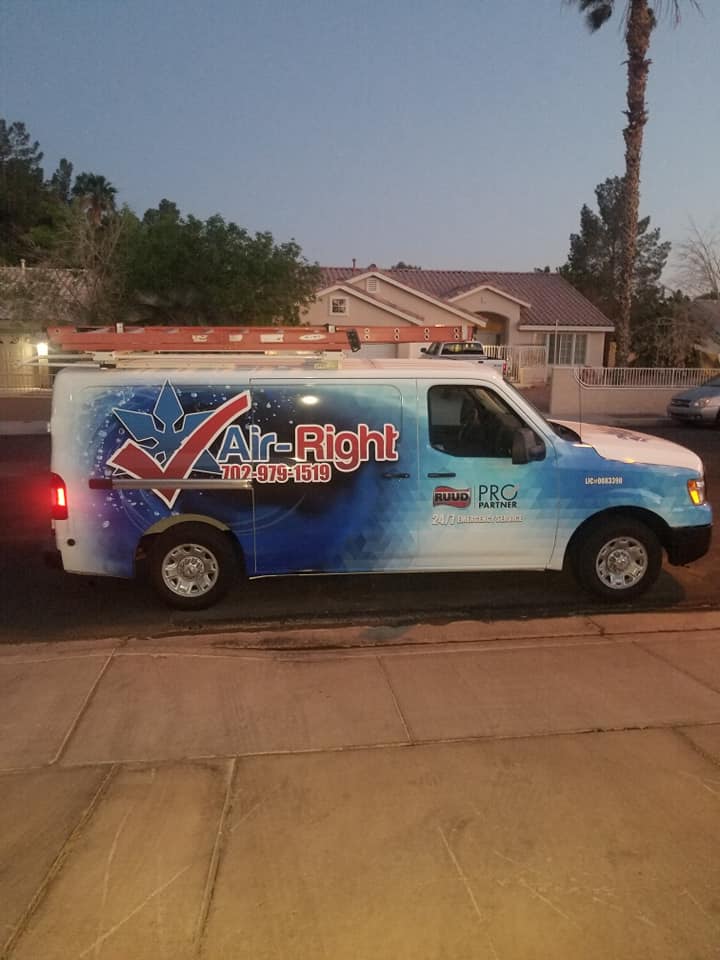
Air-Right

Are You Facing a True Cooling Emergency or a Routine Maintenance Issue? Are you wondering if your recent cooling problems require immediate professional help, or if you just need some reliable home maintenance tips and…
Are You Facing a True Cooling Emergency or a Routine Maintenance Issue?
Are you wondering if your recent cooling problems require immediate professional help, or if you just need some reliable home maintenance tips and troubleshooting to get through the end of the season? After running constantly through intense heat, your cooling equipment takes a massive beating. As the September early fall transition arrives in the Las Vegas Valley, you might start noticing strange noises, weak airflow, or fluctuating indoor temperatures. These symptoms often leave homeowners guessing whether they are dealing with a minor hiccup or a major mechanical failure waiting to happen.
Before you panic, a quick, safe assessment of your system can help you decide on the right next steps. Whether you need to upgrade your air conditioning systems or require emergency AC repair service in Las Vegas, knowing how to safely triage the problem is the first step. Our team at Air-Right will walk you through objective ways to check your equipment without risking your safety, ensuring you know exactly when to call in the experts.
The Hidden Toll of Extreme Desert Heat on Your HVAC System
It is incredibly common for air conditioners to run flawlessly through July and August, only to start struggling the moment the seasons begin to shift. This happens because the continuous operation required to combat triple-digit heat places immense stress on electrical components, blower motors, and refrigerant lines. In our years serving Las Vegas homeowners, we have seen time and again how this wear-and-tear often remains hidden until the system attempts to cycle differently.
Why Do Breakdowns Spike After Summer?
During the peak of summer, your air conditioner rarely turns off. This constant demand draws high amperage for months on end. Capacitors, which act as temporary batteries to jump-start your motors, gradually lose their ability to hold a charge. Contactors, the heavy-duty switches that control the flow of electricity to the compressor, become pitted and scarred from constant electrical arcing.
As we enter the September early fall transition, the weather changes from peak triple-digit summer heat to noticeably cooler fall nights. This shift causes your system to cycle on and off more frequently rather than running continuously. That frequent starting and stopping is exactly what exposes weakened capacitors and failing contactors. Furthermore, refrigerant pressures fluctuate as ambient outdoor temperatures drop at night, which can highlight minor leaks or airflow restrictions that were masked during the constant heat of the day.
The Impact on Indoor Air Quality
Beyond mechanical stress, your home's indoor air quality takes a significant hit. Months of keeping windows sealed tight to trap cold air means that dust, pet dander, and volatile organic compounds (VOCs) are constantly recirculated through your ductwork. An objective assessment of both your equipment's mechanical condition and your indoor air quality is the critical first step in troubleshooting post-summer performance issues.
Triage Step 1: Checking Thermostats and Electrical Power
When your system stops cooling, the first step is to verify that it is actually receiving the correct commands and adequate power. Just recently, our Air-Right dispatch team received a call from a Las Vegas Valley homeowner who experienced a complete AC power failure during a 110° summer weekend. Because they recognized it as a true electrical emergency rather than a minor glitch, one of our technicians was dispatched for a same-day major repair, restoring safe indoor temperatures before the house became dangerously hot. To determine your situation, follow these safe troubleshooting steps.
- Verify the thermostat settings: Ensure the thermostat is explicitly set to "Cool" and that the set temperature is at least three degrees below the current room temperature. If the screen is blank, replace the batteries immediately.
- Check the electrical panel: Locate your home's main breaker box and look for the breaker labeled for the AC or HVAC system. If it is tripped (sitting in the middle position), firmly push it to the "Off" position, then snap it back to "On."
- Monitor for immediate tripping: If the breaker trips again immediately after resetting it, stop. A repeatedly tripping breaker indicates a serious electrical fault, such as a grounded compressor or a short circuit. Do not attempt to reset it a third time.
- Inspect the outdoor disconnect switch: Look at the gray box mounted on the wall near your outdoor condenser unit. Ensure the switch is in the "On" position. Do not open the box or touch any internal wiring.
If you have verified power but the system remains unresponsive, you may need professional help with troubleshooting an AC not cooling in triple-digit heat. Total power failures during high heat windows are a primary trigger for emergency dispatch.
Triage Step 2: Inspecting Air Filters and Restoring Air Quality
One of the most overlooked causes of system failure is a severely clogged air filter. The arid, dusty environment of the desert accelerates air filter clogging significantly, often requiring much more frequent changes than national averages suggest. By the time the September early fall transition arrives, a filter installed in June is likely completely suffocated by desert dust and indoor particulates.
The high cost of a dirty filter: Replacing a dirty, clogged filter with a clean one can lower an air conditioner's energy consumption by 5% to 15%. When airflow is restricted, the blower motor has to work twice as hard to pull air through the return vents, driving up your utility bills and overheating the motor itself.
The freezing coil phenomenon: Severely restricted airflow causes the temperature of the indoor evaporator coil to drop below freezing. The natural condensation that forms on the coil turns into a solid block of ice, completely blocking airflow and mimicking a major mechanical failure. If you notice ice on your indoor unit or on the copper lines outside, turn the system off immediately and check your filter.
Indoor air quality concerns: Indoor air pollutant levels can be 2 to 5 times higher than outdoor levels after months of sealed AC use. A fresh filter is your first line of defense in restoring healthy indoor air. Checking and replacing the filter should always be your primary troubleshooting step before assuming the system is broken and scheduling preventative AC maintenance.
Triage Step 3: Identifying Unusual Noises and Motor Issues
Air conditioners are not silent, but you should be familiar with the normal hum of your equipment. When new, loud, or aggressive sounds develop, they are usually the first warning signs of severe mechanical distress. Accurate identification of these sounds can help a professional diagnose the issue faster.
- Loud screeching or squealing: This almost always indicates a failing bearing in the indoor blower motor or the outdoor condenser fan motor. If the bearings seize completely, the motor will burn out.
- Aggressive buzzing or clicking: A loud, continuous buzz from the outdoor unit usually points to a failing contactor or a bad capacitor. The system is trying to pull electricity, but the components cannot bridge the connection.
- Heavy clanking or banging: This is the most severe sound. It typically means an internal component within the compressor has broken loose. Turn the system off immediately to prevent catastrophic compressor failure.
The danger of misdiagnosis: It is easy to misinterpret these sounds without technical training. For example, during a recent urgent service call, one of our Las Vegas Valley customers assumed they had a failed blower motor due to the aggressive sounds the system was making. Our responding Air-Right technician quickly identified the actual problem as a faulty wiring issue, saving the homeowner money and preventing an unnecessary motor replacement. Opening the cabinet to inspect motors or wiring is strictly for licensed professionals.
Defining the Boundary: When to Call for 24-Hour Air Conditioning Service
Knowing exactly where homeowner troubleshooting ends and professional intervention begins can save you time, money, and stress. While changing a filter or resetting a breaker is safe, anything involving the sealed refrigeration cycle or high-voltage electricity requires a licensed expert. With round-the-clock availability and rapid response times, local professionals are equipped to handle true emergencies when temperatures soar.
| Condition | Routine Maintenance (Can Wait) | True Emergency (Call Now) |
|---|---|---|
| Airflow | Slightly reduced airflow in one specific room. | Zero airflow from all vents while the system is running. |
| Temperature | House is 2-3 degrees warmer than the thermostat setting. | Indoor temperatures are rapidly climbing past 85°F. |
| Odors | A brief, dusty smell when the system first kicks on. | Strong electrical burning smells or melting plastic odors. |
| Water / Leaks | A small amount of condensation near the drain pipe. | Water actively pouring through the ceiling or pooling on the floor. |
| Electrical | A tripped breaker that resets easily and stays on. | Breaker trips repeatedly, or visible sparking occurs. |
If your situation falls into the "True Emergency" category, especially if there are vulnerable individuals in the home (such as the elderly or infants), prompt professional response minimizes downtime and restores safe indoor conditions. For comprehensive diagnostics and fast resolution, professional AC repair in Henderson and the surrounding areas ensures your system is evaluated transparently.

Shifting Gears: Preventive Tune-Ups Before the Heating Season
As we navigate the September early fall transition, it is time to shift your focus from reactive troubleshooting to proactive maintenance. Resolving lingering cooling issues is mandatory before you switch your thermostat to heating mode. If your system is low on refrigerant or has a struggling blower motor, our technicians know firsthand that those problems will persist and potentially worsen when the heat pump or furnace kicks on.
What a pre-heating season tune-up entails: A comprehensive professional tune-up goes far beyond a simple filter change. A licensed technician will clean the evaporator and condenser coils to restore heat transfer efficiency. They will test all electrical connections, measure the microfarad readings on your capacitors, and verify that all safety limit switches are functioning correctly.
Restoring efficiency and safety: Professional maintenance restores indoor air quality and system efficiency after months of heavy use. Dust that has settled on heating elements over the summer can create a burning smell when you first turn on the heat, but a thorough cleaning prevents this. We strongly encourage scheduling this service proactively to avoid unexpected failures during the first cold snap of the year.
Expert Answers to Your AC Troubleshooting Questions
How do I check my indoor air quality after summer?
Start by looking for excessive dust buildup on your vents, ceiling fan blades, and flat surfaces in your home. If you notice a visible layer of dust returning just days after cleaning, your air quality is likely compromised. Monitor your family for lingering odors or increased allergy symptoms indoors, such as sneezing or dry eyes. For a definitive answer, have a professional perform an IAQ assessment and a thorough duct inspection to identify hidden pollutants.
What HVAC maintenance should I do in the fall?
The most important step is to change the air filter to remove the heavy accumulation of trapped summer dust. Next, head outside and clear any leaves, overgrown brush, or debris away from the outdoor condenser unit to ensure proper airflow. Finally, schedule a professional pre-heating season inspection to have the internal components cleaned, the electrical connections tightened, and the safety controls verified before the temperatures drop.
Why is my AC struggling to cool after running all summer?
The system may have a dirty evaporator coil that is severely restricting the heat transfer process, making the air feel lukewarm. Additionally, a clogged filter could be severely limiting the volume of air moving through the ductwork. Over time, electrical components like capacitors and blower motors also become worn down from continuous high-amperage operation, causing the system to run sluggishly or cycle off prematurely.
What is considered an HVAC emergency?
A true emergency involves a complete loss of cooling during extreme heat, especially when vulnerable individuals are in the home. Other major red flags include signs of electrical failure, such as aggressive buzzing, visible sparking, or strong burning smells coming from the vents or the unit itself. Water leaking rapidly from the indoor unit and causing immediate property damage also requires an emergency professional response.
Can I reset my AC unit myself?
Homeowners can safely check their electrical panel and reset a tripped circuit breaker once. To do this, push the breaker firmly to the "Off" position, then snap it back to "On." However, if the breaker trips again immediately, do not attempt to reset it a second time. A repeatedly tripping breaker indicates a serious underlying electrical fault that must be addressed by a licensed professional to prevent a fire hazard.
Secure Your Comfort with Expert AC Diagnostics Today
Whether you are dealing with a simple filter change or you suspect a complex motor repair is needed, relying on professional diagnostics is the best way to ensure your home remains safe and comfortable. Applying basic home maintenance tips and troubleshooting can help you rule out minor issues, but persistent problems require an expert eye. As we move through the September early fall transition, do not wait for a minor noise to turn into a total system failure. Reach out to our team at Air-Right for emergency dispatch or schedule your proactive pre-heating season maintenance today to secure your indoor comfort for the months ahead.
Need Help?
Contact us today to discuss your needs. Our team is ready to help.
Related Articles
- Fall HVAC Triage: When to Call for 24-Hour Air Conditioning Service in Las Vegas, NV
- Is That Burning Smell an Emergency? A Triage Guide for 24-Hour Air Conditioning Service in Las Vegas, NV
- Is That Burning Smell a True Emergency? A Guide to 24 Hour Air Conditioning Service in Las Vegas
Related articles


Ready to Get Started?
Whether you need a repair, maintenance, or a new installation, our expert team is here to help.