Thermal Load vs. Mechanical Failure: When to Call for 24 Hour Air Conditioning Service in Las Vegas, NV
Air-Right

The 80-Degree Living Room: System Failure or Extreme Heat? It is a common misconception that if your indoor thermostat reads 80°F on a summer afternoon, your air conditioning system is completely broken. When searching…
The 80-Degree Living Room: System Failure or Extreme Heat?
It is a common misconception that if your indoor thermostat reads 80°F on a summer afternoon, your air conditioning system is completely broken. When searching for home maintenance tips and troubleshooting during a peak Las Vegas summer with 110°F+ afternoons, jumping straight to the conclusion of a total system failure is a natural reaction. However, a warm house during the hottest part of the day does not always mean your equipment requires an immediate emergency repair.
Understanding the difference between ambient thermal load and a true mechanical breakdown is the first step in diagnosing your home's cooling performance. During extreme desert heat, the sheer volume of thermal energy bombarding your home's exterior walls, roof, and windows is immense. Your air conditioner is a heat transfer device; it absorbs heat from inside your home and moves it outside. When the outdoor temperature spikes to extreme levels, the amount of heat entering the building envelope can temporarily exceed the system's capacity to remove it.
This creates a critical decision point for homeowners: knowing when to wait out the afternoon heat lag versus when to call for professional Air Conditioning Services. If the system is still operating but struggling against the extreme weather, an emergency dispatch might result in a technician confirming the unit is simply doing its best under maximum load. Conversely, ignoring the signs of a genuine mechanical failure can leave your family exposed to dangerous indoor temperatures. By learning to read the specific symptoms of your HVAC system, you can make an informed, cost-effective decision about when to call for help.
The 20-Degree Rule: Understanding Your AC's Design Limits
To accurately assess whether your air conditioner is failing or just working at maximum capacity, you have to understand how residential HVAC systems are engineered. The American Society of Heating, Refrigerating and Air-Conditioning Engineers (ASHRAE) establishes the design guidelines used by manufacturers and installers nationwide. According to these standard sizing calculations, a typical residential air conditioning system is designed to maintain a maximum 20-degree Fahrenheit temperature differential between the indoor air and the outdoor ambient temperature.
The math behind the cooling limit: If the outdoor temperature in Las Vegas reaches 115°F, a perfectly functioning, properly sized air conditioner running at its absolute maximum capacity may only be able to cool the interior of the house to 95°F. While modern insulation, energy-efficient windows, and sealed ductwork can help push this boundary lower, the core refrigeration cycle still has a physical limit on how much heat it can absorb and reject in a given hour.
When your system runs continuously during a peak Las Vegas summer afternoon, it is often operating exactly as designed. A unit that does not shut off during extreme heat is not necessarily broken; it is simply trying to keep up with a thermal load that exceeds its standard design parameters. If the air coming out of your vents is cool, but the indoor temperature is slowly climbing, you are likely experiencing thermal overload rather than a mechanical failure.
Why Bigger Isn't Always Better
A common response to this 20-degree limitation is to wonder why installers don't simply put massively oversized air conditioners in every desert home. The short answer is that an oversized system creates entirely new problems. An air conditioner that is too large for the square footage of the home will cool the air very quickly and then shut off—a process known as short-cycling. Because the system doesn't run long enough to pull moisture out of the air, the home feels cold but uncomfortably clammy. Furthermore, the constant starting and stopping places immense wear and tear on the compressor, leading to premature mechanical failure. Systems are sized to run continuously on the hottest days of the year specifically to balance temperature control, humidity removal, and energy efficiency.
Checklist: Extreme Thermal Load vs. Mechanical Failure
Before incurring the cost of an emergency dispatch fee, you can perform a basic visual and sensory audit of your system. This objective checklist helps isolate whether your equipment is overwhelmed by the afternoon sun or suffering from a broken component that requires immediate professional intervention. For a broader look at surviving the summer heat, you can also review The Ultimate Las Vegas AC Repair Survival Guide.
| Symptom / Observation | Extreme Thermal Load (Wait it out) | Mechanical Failure (Call for service) |
|---|---|---|
| Airflow Temperature | Air blowing from vents is noticeably cool, but not cold enough to overcome ambient heat. | Air blowing from vents is warm, lukewarm, or completely unconditioned. |
| System Run Time | System runs continuously without shutting off during peak afternoon hours. | System short-cycles (turns on and off every few minutes) or refuses to turn on at all. |
| Evening Recovery | Indoor temperature begins to drop and reach the set point after the sun goes down. | Indoor temperature remains high even after the outdoor temperature drops significantly at night. |
| Operating Noises | Standard hum of the compressor and fan; normal rushing air sounds. | Loud grinding, squealing, banging, or buzzing noises coming from the indoor or outdoor unit. |
| Odors | Neutral smell, standard conditioned air. | Acrid burning smells, electrical ozone odors, or musty mildew scents. |
The Thermostat Check: Always verify that your thermostat is set to "Cool" and the fan is set to "Auto." Sometimes, a thermostat can lose communication with the main unit due to a dead battery or a tripped breaker. If the screen is blank or unresponsive, replace the batteries and check your electrical panel before assuming the outdoor compressor has failed.

Hidden Culprits That Mimic Complete AC Failure
If your system is failing the checklist above, it does not automatically mean you need a brand-new air conditioner. Several specific technical issues can cause localized or system-wide cooling failures while mimicking a dead compressor. Understanding these hidden culprits demonstrates why professional diagnostic testing is so valuable.
Ductwork breaches: The ductwork running through your attic is responsible for delivering conditioned air to every room. If a seam splits or a flexible duct tears, the system will pump freezing cold air directly into the 140°F attic space instead of your living room. In one documented case, a homeowner dealt with a daughter's bedroom that refused to cool for six years. After multiple prior companies failed to resolve the issue, a thorough inspection revealed a severe break in the ductwork. Once the duct was properly sealed, cold air finally reached the room, solving a long-standing issue without replacing the actual AC unit.
Refrigerant leaks: Air conditioners do not consume refrigerant like a car consumes gas; it circulates in a closed loop. If your system is low on refrigerant, there is a leak somewhere in the coils or copper lines. Low refrigerant drastically reduces the system's ability to absorb heat, leading to lukewarm air blowing from the vents and potentially causing the indoor evaporator coil to freeze solid.
Electrical and wiring issues: The vibration of a running air conditioner can cause wire nuts to loosen and electrical connections to fray over time. A faulty relay, a failing capacitor, or a damaged contactor can prevent the fan motor or compressor from engaging, making the entire system appear dead.
When a Bad Diagnosis Costs You
Accurate diagnostics by a trained professional are critical because jumping to conclusions can be highly expensive. A system that fails to start or blows warm air might be hastily diagnosed by an inexperienced technician as a catastrophic motor failure. However, rapid and accurate troubleshooting often reveals that a simple wiring issue or a $50 capacitor is the true culprit. A precise diagnosis identifies the exact electrical correction needed, resolving the problem for a fraction of the cost of a major component replacement.
Actionable Steps to Reduce Indoor Heat Load Before Calling
If you determine that your system is suffering from extreme thermal load rather than a mechanical breakdown, there are safe, non-technical steps you can take to help the equipment catch up. By reducing the amount of heat entering and generating inside your home, you lower the burden on your HVAC system. Regular AC Maintenance in Las Vegas is the best long-term strategy, but these immediate actions can provide afternoon relief.
- Block solar heat gain: The sun beating through your windows is one of the largest sources of heat gain in a residential home. Close all blinds, drapes, and thermal curtains on south- and west-facing windows before noon. Preventing the sunlight from heating up your floors and furniture stops that thermal energy from radiating into the room air.
- Reduce internal heat generation: Appliances generate a massive amount of heat. Avoid using ovens, stoves, dishwashers, or clothes dryers during peak afternoon hours (typically between 2:00 PM and 7:00 PM). Rely on microwaves, outdoor grills, and natural lighting where possible to keep the indoor heat load to a minimum.
- Optimize system airflow: Walk through your home and ensure that all supply registers and return grilles are completely unobstructed. Moving a couch or a heavy rug that is blocking a vent allows the system to circulate air as designed. Closing vents in unused rooms actually increases static pressure and makes the blower motor work harder, so keep them open.
- Perform a filter check: A clogged air filter is the most common cause of poor cooling performance. When the filter is choked with dust and pet hair, the blower motor cannot pull enough warm air across the evaporator coil to cool the house. Verify your filter is clean, and replace it immediately if it appears dark or completely opaque.
When Extreme Heat Becomes an Emergency
While thermal load is common, true mechanical breakdowns do happen, and they require immediate attention. Defining the threshold for an emergency service call ensures you get help when life-safety or property-damage risks are present.
A complete AC power failure during a peak Las Vegas summer weekend with 110°F+ weather is a genuine emergency, especially if the home is occupied by elderly individuals, infants, or people with medical conditions sensitive to heat. In one such instance, a comprehensive same-day repair was necessary to get a completely dead system back online and protect the residents from dangerous indoor temperatures that were rising by the hour.
Electrical hazards also demand an immediate emergency response. If you notice an acrid burning smell coming from your vents, or if the air conditioner continuously trips the circuit breaker at the electrical panel, turn the system off immediately. A breaker that trips repeatedly is a vital safety mechanism warning you of a severe electrical short or a grounded compressor. Continuing to reset the breaker can cause a catastrophic electrical fire.
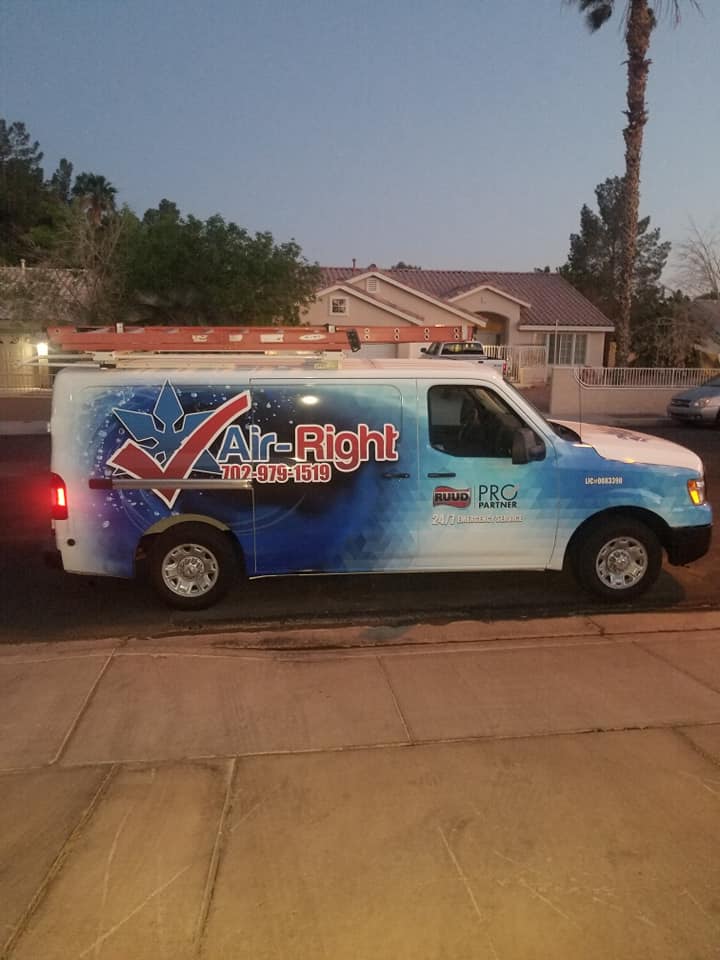
When these situations arise, knowing what to expect from a professional emergency dispatch provides significant relief. You should expect a rapid response, accurate diagnostic testing, and transparent repair options. Positioned as a reliable safety net, Air-Right's round-the-clock availability ensures that when your diagnostic checklist confirms a true mechanical failure, a certified professional is ready to restore your home's comfort safely and efficiently. If you are facing these severe symptoms, reaching out for AC Repair Service in Henderson or the greater Las Vegas area is the correct next step.
Secure Reliable Cooling for Your Las Vegas Home
Knowing the difference between afternoon heat lag and a genuine mechanical breakdown saves you time, frustration, and unnecessary dispatch fees. By applying the 20-degree rule and checking for specific failure symptoms, you can confidently assess your system's performance during peak thermal loads. When a true breakdown does occur, having a trusted, 24/7 local expert on standby makes all the difference. For immediate emergency repairs, professional diagnostics, or routine performance checks, contact our team for Las Vegas AC Repair Service and secure reliable cooling for your home today.
Frequently Asked Questions
Why is my AC running but not cooling the house?
This usually happens when the system is overwhelmed by extreme outdoor temperatures, or when there is an airflow restriction like a clogged filter. During a peak Las Vegas summer, the thermal load entering the house can temporarily match the system's cooling capacity. If the air coming from the vents is warm, however, you may have a refrigerant leak or a failed compressor requiring professional attention.
At what temperature does an AC struggle to cool?
Most standard residential air conditioners begin to struggle when outdoor temperatures exceed 100°F to 105°F. Because systems are designed to maintain a 20-degree difference between the outdoor and indoor air, an outdoor temperature of 115°F pushes the equipment to its absolute physical limits. At these extremes, the system will run continuously just to maintain a slightly elevated indoor temperature.
Is it an emergency if my AC stops working in summer?
Yes, a complete loss of cooling during extreme summer heat is considered a true emergency. Indoor temperatures in a sealed desert home can quickly climb to dangerous levels, posing severe health risks to vulnerable individuals and pets. If your system loses power entirely or starts blowing unconditioned hot air, you should contact a 24-hour repair service immediately.
How to check if AC compressor is bad?
The most common signs of a bad compressor include the system blowing warm air, loud grinding or screeching noises from the outdoor unit, or the system repeatedly tripping the circuit breaker. You might also notice the outdoor fan spinning while the compressor itself remains silent. Because testing a compressor involves high-voltage electricity and specialized gauges, it must be diagnosed by a licensed technician.
What is the 20-degree differential rule for air conditioning?
The 20-degree rule is an industry design standard stating that a residential HVAC system is sized to cool the indoor air roughly 20 degrees below the outdoor ambient temperature. This means if it is 110°F outside, the system is performing optimally if it can maintain an indoor temperature of 90°F. While insulation helps lower this number, the core refrigeration cycle is governed by this baseline limit.
Can extreme Las Vegas heat permanently damage my AC unit?
Extreme heat forces your air conditioner to run continuously, which accelerates wear and tear on moving parts like the blower motor and compressor. While the heat itself won't instantly destroy a well-maintained unit, the prolonged stress of operating at maximum capacity can lead to premature component failure if the system is not regularly serviced and cleaned.
Need Help?
Contact us today to discuss your needs. Our team is ready to help.
Related Articles
- Is It a True Emergency? A Fall Triage Guide for 24-Hour Air Conditioning Service in Las Vegas, NV
- Emergency AC Repair Signs: Navigating Heating-Startup and Fall Maintenance
- Is That Burning Smell an Emergency? Triaging Fall Heating and 24-Hour Air Conditioning Service in Las Vegas, NV
Related articles


Ready to Get Started?
Whether you need a repair, maintenance, or a new installation, our expert team is here to help.