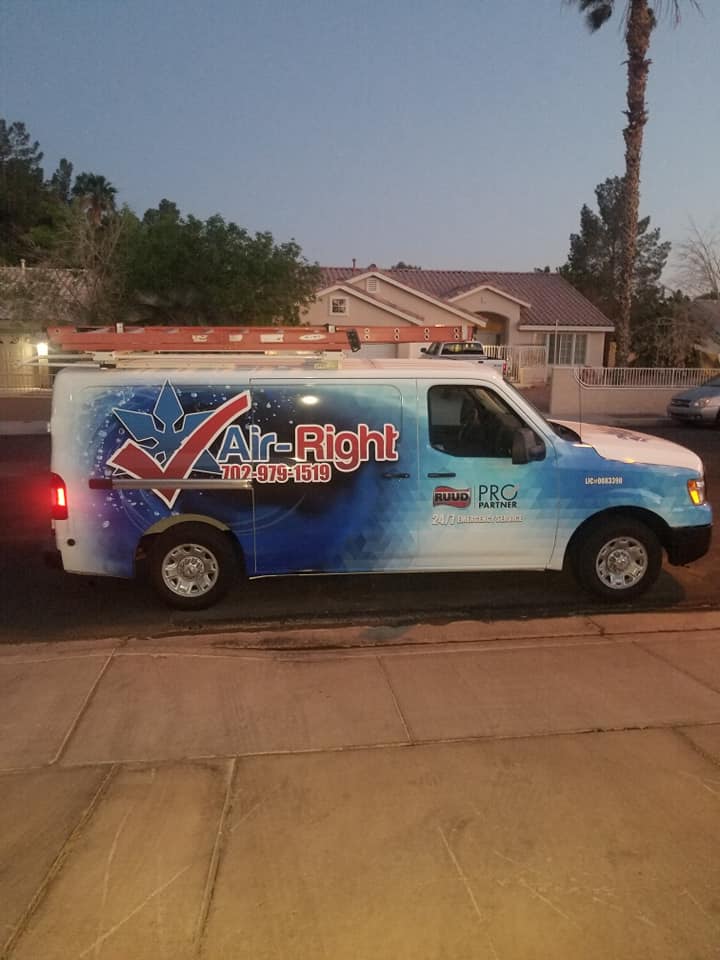
Emergency AC Repair or System Upgrade? Heat Pump vs. Gas Furnace FAQs for Las Vegas
Air-Right

Surviving the September Transition: When an Aging AC Forces a Decision That strange noise from your outdoor unit isn't going away on its own, and suddenly, looking into heating and cooling options comparisons for…
Surviving the September Transition: When an Aging AC Forces a Decision
That strange noise from your outdoor unit isn't going away on its own, and suddenly, looking into heating and cooling options comparisons for homeowners becomes a top priority. The shift from peak summer to early fall brings cooler nights, but the lingering daytime heat puts unique stress on aging HVAC systems. Your air conditioner has likely been running relentlessly since May, and by the time the September transition / early fall arrives, worn components are often pushed past their breaking point. When a system fails during this critical window, you face an urgent choice: pay for immediate triage to restore comfort or invest in a completely new system before the winter chill sets in.
If you need an immediate assessment, exploring your Air Conditioning Services is the first step toward regaining control of your home's climate. In desert homes, rapid thermal loading makes a functioning climate control system absolutely critical even late in the season. The sun bakes your roof and walls all day, and that trapped heat radiates into your living spaces long after sunset. An underperforming AC simply cannot keep up with this thermal load. At Air-Right, we believe in providing honest, reliable triage advice—helping you avoid overpaying for an emergency dispatch if a full system replacement is ultimately the better, more cost-effective long-term investment. Understanding your options right now prevents rushed, panicked decisions later in the year.
Triage First: Do You Need 24-Hour Service or a Total Replacement?
Before you commit to a major installation, you need to determine if your current breakdown is a minor hiccup or a fatal system failure. Assessing the age and recent performance history of your existing air conditioning unit is the most critical step. Sudden power or motor failures during extreme heat spikes often require immediate professional triage to ensure your home remains safe and habitable. For example, our technicians at Air-Right recently helped a Las Vegas Valley homeowner who experienced a complete AC power failure during a lingering late-summer heatwave. A major same-day repair got the system functioning again perfectly. However, in our experience, if your system has barely survived the summer and requires frequent, ongoing patches, pouring money into a late-season repair is rarely the smartest financial move.
If you are currently sitting in a sweltering house, you may need a 24-Hour AC Repair Service in Las Vegas just to get through the weekend. But once the immediate emergency is stabilized, you must evaluate the long-term viability of the equipment. A unit that is over ten years old and suffering from major component failure is generally a prime candidate for replacement rather than continued life support.
Signs Your System is Beyond a Simple Patch
The problem: You are calling for repairs multiple times a season.
The cause: Worn out mechanical parts, degraded seals, or a failing compressor.
The solution: Upgrading the entire HVAC setup rather than funding endless repairs. Look for these undeniable signs that replacement is imminent:
- Frequent refrigerant leaks: If your system is constantly low on refrigerant, there is a leak in the closed loop. Continually topping it off is a temporary and increasingly expensive band-aid.
- Rising energy bills: When internal components degrade, the system has to run longer and consume more electricity to achieve the same cooling results, driving up your monthly utility costs despite regular maintenance.
- Inconsistent temperatures: An inability to maintain steady temperatures across different rooms often indicates a failing blower motor or a compressor that is losing its pumping capacity.
Why the Las Vegas Valley Climate Changes the Heating Debate
Desert nights begin dropping into the 60s in early fall, signaling the definitive start of the heating transition period. Unlike northern climates, the lack of prolonged deep freezes means heavy-duty, high-capacity heating power is rarely necessary. The moderate temperature swings characteristic of the Las Vegas Valley make versatile, dual-purpose systems highly effective for local homes. In our years of installing systems across the Vegas area, we've seen firsthand that understanding these regional weather patterns is crucial because installing the wrong type of heating system can lead to massive inefficiencies and decreased indoor comfort.
If you are scheduling a Summerlin AC Repair to address late-season cooling issues, it is the perfect time to evaluate how your home will handle the upcoming winter. The specific temperature swing data from summer to fall illustrates the region's unique dual-season demands. We experience intense cooling loads followed by relatively mild heating requirements. This imbalance dictates that your cooling capacity must be robust, while your heating capacity should focus on efficiency and steady performance rather than raw, overwhelming power.
The Myth of the Heavy-Duty Desert Furnace
Many homeowners relocate from colder regions and mistakenly believe that desert winters require oversized gas furnaces to combat the chilly night air. At Air-Right, we frequently have to correct this costly misconception. Overpowered furnaces can lead to severe short-cycling in moderate climates. Short-cycling occurs when a massive furnace blasts a high volume of heat, rapidly satisfying the thermostat, and then immediately shuts down. Because it runs for such a short duration, the warm air fails to circulate evenly throughout the house, leaving some rooms sweltering and others freezing. Furthermore, this constant starting and stopping puts immense wear and tear on the mechanical components, drastically shortening the lifespan of the unit.
Heat Pumps vs. Gas Furnaces: A Desert Climate Comparison
When your aging system finally quits during the September transition / early fall, you face a pivotal choice regarding its replacement. Heat pumps provide both efficient cooling in the summer and effective heating in the winter, making them an ideal all-in-one solution. Gas furnaces, on the other hand, offer strong, rapid heat but require a completely separate air conditioning unit to handle the summer months. To make an informed decision, you must compare energy efficiency ratings, typical lifespans, and installation requirements for both system types.
Understanding these differences can help you avoid a situation where you are desperately searching for How to Fix AC Not Cooling in Triple-Digit Heat next summer because of a mismatched system choice today.
| Feature | Modern Heat Pump | Traditional Gas Furnace |
|---|---|---|
| Primary Function | Provides both heating and cooling | Provides heating only (requires separate AC) |
| Heating Method | Transfers ambient heat from outside air | Combusts natural gas or propane |
| Energy Efficiency | Extremely high in moderate climates | Standard to high (varies by AFUE rating) |
| Carbon Footprint | Lower (runs on electricity) | Higher (relies on fossil fuels) |
| Best Suited For | Mild to moderate winters with hot summers | Regions with severe, prolonged freezing temperatures |
Pros and Cons of Modern Heat Pumps
- Pro: Consolidates heating and cooling. You only have one system to maintain, repair, and eventually replace, simplifying your home's infrastructure.
- Pro: High energy efficiency. Because they move heat rather than generate it through combustion, they use significantly less energy to warm your home during moderate desert winters.
- Con: Extreme cold limitations. They can lose efficiency in extreme sub-zero temperatures, though this is exceedingly rare in the local climate.
Pros and Cons of Traditional Gas Furnaces
- Pro: Delivers high-temperature heat quickly. When you turn on a furnace, the air blowing from the vents is immediately hot, warming the space rapidly.
- Pro: Familiar technology. Many older homes are already equipped with the necessary gas lines and venting infrastructure, making a direct swap straightforward.
- Con: Requires separate AC system. You must maintain two distinct pieces of equipment, and furnaces naturally carry a higher carbon footprint due to fossil fuel combustion.

Factoring in Generic Tax Credits and Long-Term Efficiency
Beyond the immediate comfort benefits, replacing an aging system during the fall transition is a strategic financial move. Upgrading to a high-efficiency heat pump often qualifies homeowners for generic federal tax credits designed to encourage energy-efficient home improvements. While the exact figures vary based on your specific tax situation and the equipment chosen, these incentives can significantly offset the initial installation costs. It is always recommended to consult with a tax professional to understand exactly how these generic credits apply to your household.
Furthermore, our team regularly reminds customers that local utility rebate programs frequently incentivize the transition away from older, less efficient systems in the Las Vegas Valley. Utility companies want to reduce the overall strain on the power grid during peak usage times, and modern, high-efficiency heat pumps draw far less power than legacy units. Investing in a modern system now leads to significant long-term energy savings across both the heating and cooling seasons. You eliminate the cascading costs of frequent breakdowns, reduce your monthly utility bills, and increase the overall value and comfort of your property.
Frequently Asked Questions: Upgrading Your HVAC in the Desert
Navigating a system replacement can feel overwhelming, especially when weighing different technologies against regional weather patterns. Keeping up with AC Maintenance and Tune-Ups helps, but eventually, every homeowner faces these common questions. Here are direct answers to help clarify the decision-making process between repairing an old unit and replacing it in the Las Vegas Valley.
Are heat pumps good for desert climates?
Yes. In our extensive experience servicing Las Vegas homes, we find that heat pumps excel in environments with moderate winter temperature swings. They efficiently handle both the intense summer cooling load and the milder winter heating needs without missing a beat. Because desert environments rarely see extended sub-zero temperatures, a heat pump operates in its peak efficiency zone for the vast majority of the year. This dual capability makes them one of the most practical choices for local homeowners.
Should I replace my gas furnace with a heat pump in Nevada?
For many homes, replacing a split system with a unified heat pump streamlines maintenance and improves overall energy efficiency. If your current AC and furnace are both nearing the end of their lifespans, transitioning to a single heat pump eliminates the need to buy and maintain two separate pieces of equipment. It also reduces your reliance on fossil fuels, which often aligns with modern energy-saving goals and generic utility rebates.
At what temperature does a heat pump become inefficient?
Modern heat pumps maintain their efficiency well below the typical winter lows experienced locally. While older models historically struggled when temperatures dropped below freezing, today's advanced compressor technology allows them to extract heat from the air even in the 20s and 30s. Since deep freezes are exceptionally rare in this region, a modern heat pump will easily keep your home warm without relying heavily on auxiliary heating strips.
Is it worth paying for 24-hour AC repair on an old unit?
If the unit is over 10 to 15 years old and requires a major component like a compressor, replacement is generally the safer financial choice. Paying for an emergency dispatch simply to patch a failing system often leads to another breakdown weeks or months later. Weighing the age of the equipment against the scope of the repair helps you avoid throwing good money after bad on a system that is fundamentally compromised.
How does routine maintenance impact system longevity?
Regular tune-ups prevent minor wear-and-tear from escalating into major seasonal failures, extending the life of whichever system you choose. By cleaning coils, checking refrigerant levels, and testing electrical connections, technicians ensure the equipment operates without unnecessary strain. Consistent maintenance is the single most effective way to protect your investment and maintain high energy efficiency year after year.
Make Your Fall HVAC Upgrade with Confidence
Choosing between a heat pump and a gas furnace depends heavily on your home's existing infrastructure, your long-term efficiency goals, and the specific demands of the September transition / early fall. Don't wait for the first cold snap to realize your aging AC can't handle the seasonal shift, and don't settle for a heating system that overworks itself in our moderate winters. Consult with our experienced team at Air-Right to thoroughly weigh your options. A clear, regionally accurate comparison ensures you make a confident replacement decision, keeping your home comfortable, efficient, and reliable year-round.
Need Help?
Contact us today to discuss your needs. Our team is ready to help.
Related Articles
- Fall HVAC Triage: When to Call for 24-Hour Air Conditioning Service in Las Vegas, NV
- Is That Burning Smell an Emergency? A Triage Guide for 24-Hour Air Conditioning Service in Las Vegas, NV
- Is That Burning Smell a True Emergency? A Guide to 24 Hour Air Conditioning Service in Las Vegas
Related articles


Ready to Get Started?
Whether you need a repair, maintenance, or a new installation, our expert team is here to help.