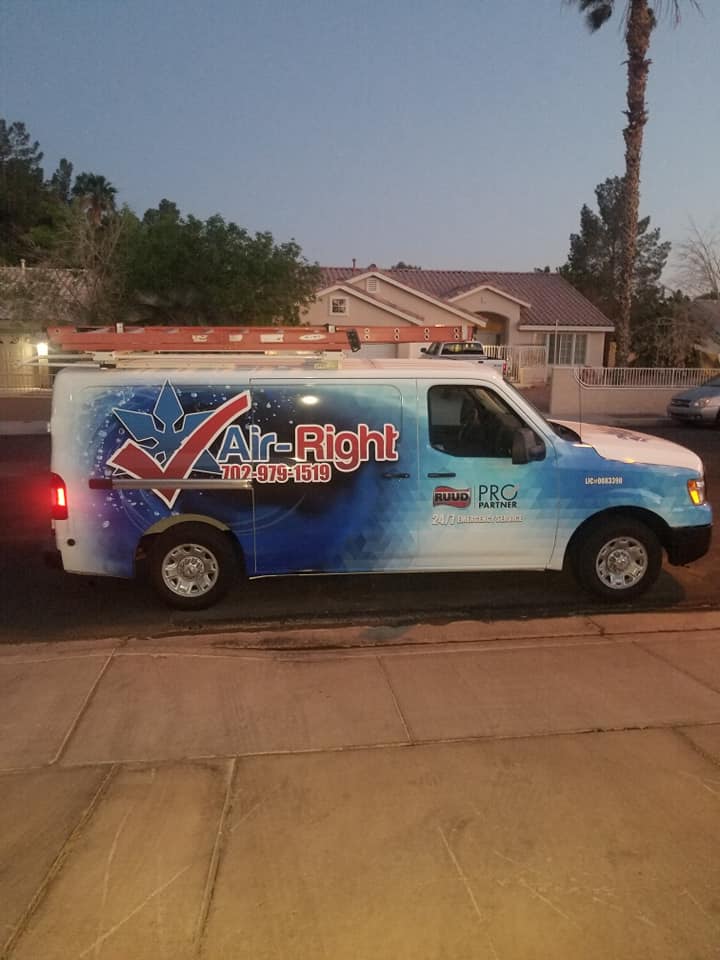
Is It an Emergency? Guide to 24 Hour Air Conditioning Service in Las Vegas, NV
Air-Right

Surviving Peak Summer: When Your AC Fails in the Desert With peak summer temperatures settling over the valley, a struggling air conditioner quickly escalates from a minor inconvenience to a serious household hazard,…
Surviving Peak Summer: When Your AC Fails in the Desert
With peak summer temperatures settling over the valley, a struggling air conditioner quickly escalates from a minor inconvenience to a serious household hazard, making local service expertise and area tips essential for your safety. In our years keeping Las Vegas homes cool, the team at Air-Right knows that when your system fails to maintain the thermostat set point during high-demand cooling periods, you face an immediate decision: attempt basic homeowner troubleshooting or dispatch an emergency technician. Relying on professional guidance helps you determine the safest next steps. Whether the issue traces back to a simple tripped breaker or a seized compressor, understanding how to respond protects both your expensive equipment and your household's comfort.
When you need immediate professional intervention, our air conditioning services are designed to restore safe indoor temperatures quickly.
The Reality of High-Demand Cooling Failures
During the intense heat of peak summer, your cooling system works overtime to extract thermal energy from your living space. The mechanical strain on the compressor, blower motor, and electrical components reaches its absolute maximum. Our technicians at Air-Right routinely see underlying wear and tear finally give out during these high-stress periods. You might notice the vents blowing lukewarm air, or the system might shut down entirely and refuse to turn back on.
The immediate stress of a failing air conditioner is entirely understandable. The desert environment is unforgiving, and a home without cooling quickly becomes incredibly uncomfortable. However, panic often leads to rushed decisions. The key is to approach the situation methodically. By stepping back and evaluating the symptoms calmly, you can avoid paying for an emergency dispatch when a simple filter change might solve the problem, while also recognizing when a true mechanical failure requires immediate professional attention.
What Qualifies as a True AC Emergency in the Las Vegas Heat?
Living in the Mojave Desert requires a different set of rules when it comes to climate control. In milder regions, a broken air conditioner might mean opening a few windows and running a ceiling fan until morning. Here, losing your cooling capacity is a severe safety hazard. Understanding the objective thresholds for an emergency ensures you make the right call when temperatures spike.
The Danger of Rapid Thermal Gain
Homes in the desert experience a phenomenon known as rapid thermal gain. Your roof, walls, and attic absorb massive amounts of solar radiation throughout the day. As long as the air conditioner runs, it continuously removes this heat. The moment the system stops, that stored heat begins radiating into your living spaces. Without a functioning AC, indoor temperatures can reach unsafe levels within just a few hours.
This risk does not disappear when the sun goes down. The specific danger of overnight structural heat retention in Las Vegas during July is severe. Average daytime highs regularly exceed 104 degrees, and nighttime lows rarely drop below 82 degrees. Because the outside air remains hot, your home cannot naturally cool off. Waiting overnight in an 85-degree house is not just uncomfortable; it poses a significant health risk, particularly for vulnerable family members.
Recognizing Immediate Intervention Scenarios
Certain situations demand immediate professional intervention rather than waiting for standard business hours. Our team recently helped a Las Vegas homeowner who experienced a complete AC power failure during a weekend when temperatures spiked to 110 degrees. Because of the extreme heat, we treated this situation as a severe emergency, and a technician was dispatched for a major same-day repair to restore cooling before the home reached dangerous temperatures.
If you are facing a complete system shutdown during an extreme heat wave, booking a Las Vegas AC repair service is the safest choice. Other absolute emergencies include electrical burning smells coming from the vents, sparking near the outdoor unit, or water rapidly leaking through your ceiling from an overflowing attic drain pan.
| Symptom | Classification | Recommended Action |
|---|---|---|
| Complete power failure (100°+ outside) | True Emergency | Dispatch 24-hour service immediately |
| Electrical burning smell from vents | True Emergency | Turn off system at breaker, call for service |
| System cooling, but 2-3 degrees behind | Non-Emergency | Monitor system, check filter, schedule standard visit |
| Loud grinding or screeching noises | Urgent | Turn off system to prevent damage, schedule repair |
The Safe Troubleshooting Checklist Before Calling Emergency Service
Before you incur the cost of an after-hours dispatch, there are several safe, neutral diagnostic checks you can perform. Sometimes, what appears to be a catastrophic failure is actually a minor operational hiccup. Our dispatchers at Air-Right always recommend performing this safe troubleshooting checklist, even at 2 AM, as it can save you time, money, and unnecessary stress.
- Verify thermostat settings: Ensure the thermostat is set to "Cool" and the fan is set to "Auto." If the screen is blank, replace the batteries with fresh ones. A dead thermostat cannot signal the equipment to turn on.
- Check the electrical panel: Locate your home's main electrical panel and check for tripped breakers. Look for switches that have moved to the middle position. If you find one, flip it entirely off, then firmly back on. Do not attempt to open the panel cover or modify the breakers yourself. If the breaker trips a second time immediately, leave it off—this indicates a serious electrical short.
- Inspect the air filter: Pull out your indoor air filter and hold it up to a light source. If you cannot see light passing through the material, it is severely clogged. Severely restricted airflow from a dirty filter causes the system to blow warm air or freeze the indoor coil completely solid. Replace it with a clean filter immediately.
- Check the outdoor disconnect: Ensure the switch box located near your outdoor compressor is in the "On" position. Sometimes these are accidentally bumped or turned off during yard work.
When to Stop Troubleshooting
The line between safe homeowner maintenance and dangerous DIY work is strict. Once you have checked the thermostat, the breakers, and the filter, your safe troubleshooting options are exhausted. Never attempt to remove access panels from the indoor or outdoor units, and never probe electrical components with tools. High-voltage electricity and pressurized refrigerants are extremely dangerous.

The Hidden Dangers of Forcing a Struggling System to Run
One of the most common mistakes we see homeowners make during peak summer is ignoring red flags and allowing a failing system to operate continuously. When your house is hot, the natural instinct is to leave the thermostat set low and hope the system eventually catches up. However, forcing a struggling air conditioner to run often transforms a minor repair into a major replacement.
The Mechanical Chain Reaction
Air conditioning systems rely on a delicate balance of airflow, refrigerant pressure, and electrical timing. When one component fails, it places immense stress on the rest of the system. For example, our repair teams frequently encounter systems where a failed dual run capacitor forces the compressor to pull excessive amperage to start. This causes the compressor to overheat rapidly, potentially melting internal wiring and leading to catastrophic compressor failure.
Similarly, if your evaporator coil freezes over due to a clogged filter or a refrigerant leak, the ice acts as an insulator. The system can no longer absorb heat from your home, but the outdoor unit keeps pumping. This can cause liquid refrigerant to flow backward into the compressor—a condition known as liquid slugging. Because compressors are designed to pump vapor, hitting liquid will physically destroy the internal valves.
Why Turning It Off is the Safest Choice
If you notice the system is blowing warm air, making strange grinding noises, or rapidly turning on and off (short-cycling), the safest course of action is to turn the system completely off at the thermostat. While waiting for a professional in a warm house is unpleasant, it prevents significant secondary mechanical damage. Knowing when to call for emergency AC repair and when to simply shut the equipment down bridges the gap between basic maintenance concepts and the necessity of emergency intervention.
Defining the Diagnostic Threshold: When to Dispatch a Professional
Establishing a clear boundary between safe homeowner checks and internal mechanical work is vital for your safety and the longevity of your equipment. Once you have verified that the thermostat is calling for cooling, the breakers are set, and the filter is clean, you have reached the diagnostic threshold. Any further investigation requires specialized tools, professional training, and proper licensing.
The Value of Professional Diagnostics
Any work involving internal wiring, blower motors, capacitors, or refrigerant lines must be handled by a professional. Modern HVAC systems are highly complex, and symptoms often overlap. A system blowing warm air could be suffering from a minor electrical short, or it could have a massive refrigerant leak.
An accurate, professional diagnosis prevents unnecessary part replacements. For instance, our technicians recently responded to a customer facing a sudden motor failure during peak summer that required prompt attention. By dispatching a professional for an accurate diagnosis, we identified the exact point of failure without guesswork. The repair was scheduled and completed the very next day, restoring airflow safely and at a great value. Misdiagnosing a wiring issue as a bad motor is a common DIY mistake that wastes money and leaves the home hot.
What to Expect During the Dispatch Process
When you reach out for a Henderson AC repair or an after-hours dispatch, the process is designed to be straightforward. The dispatcher will ask you about the symptoms you are experiencing, how long the system has been struggling, and what steps you have already taken. A technician will then arrive equipped with a multimeter, refrigerant gauges, and a stocked vehicle to perform a thorough, objective evaluation of the equipment.
Frequently Asked Questions About Late-Night AC Breakdowns
When your cooling system fails in the middle of the night, you need clear, direct answers to make informed decisions. Addressing these common concerns helps reinforce the importance of professional AC maintenance and tune-ups in preventing these late-night emergencies in the first place.
What should I check before calling for AC repair?
Review your thermostat settings to ensure it is set to "Cool" and the batteries are fresh. Inspect your main electrical panel for any tripped breakers, and verify that your indoor air filter is clean and unobstructed. Ruling out these basic homeowner maintenance items can save you the cost of an unnecessary service call.
What is considered an AC emergency?
A true AC emergency includes a complete system failure during extreme heat warnings, which poses a direct safety risk in desert climates. Other immediate emergencies include electrical burning smells coming from the vents, visible sparking, or water rapidly leaking near electrical components. If the situation threatens your health or property, it requires immediate dispatch.
Why is my AC blowing warm air all of a sudden?
Sudden warm air is commonly caused by severely restricted airflow from a clogged filter, which prevents the system from absorbing indoor heat. It can also be caused by low refrigerant levels due to a leak, or a failed compressor capacitor that stops the outdoor unit from cooling the air. A professional diagnostic is required to pinpoint the exact mechanical failure.
Can I wait until morning to fix my AC?
In extreme desert climates like Las Vegas, waiting until morning can be hazardous to your health due to rapid thermal gain and high nighttime temperatures. If indoor temperatures are rapidly exceeding safe levels and the outdoor temperature remains in the 80s or 90s overnight, immediate emergency dispatch is highly recommended.
How quickly can a technician respond to an after-hours call?
Response times vary based on current weather conditions and overall demand, but emergency dispatch prioritizes homes without any cooling during heat waves. When you call, the dispatcher will provide a realistic arrival window so you can plan accordingly. Professional teams strive to reach you as quickly and safely as possible.
Does a frozen coil mean the compressor is permanently broken?
A frozen coil does not automatically mean the compressor is ruined, but it is a severe warning sign. The ice is usually caused by poor airflow or low refrigerant. However, if you force the system to keep running while frozen, it can cause liquid refrigerant to damage the compressor permanently, which is why you must turn the system off immediately.
Restoring Safe Indoor Temperatures with Reliable Service
Addressing AC failures promptly during high-demand peak summer periods is not just about comfort; it is about keeping your household safe from extreme desert heat. If your basic troubleshooting steps do not resolve the issue, do not force the system to run and risk further mechanical damage. Trusting a professional ensures the underlying problem is accurately identified and safely resolved.
At Air-Right, we are committed to prompt, reliable 24-hour service, ensuring the job is done right the first time so families aren't left stranded in dangerous heat again the next day. If you are dealing with a struggling system, reach out to our team immediately for assistance or to schedule a comprehensive diagnostic inspection.
Need Help?
Contact us today to discuss your needs. Our team is ready to help.
Related Articles
- Is It a True Emergency? A Fall Triage Guide for 24-Hour Air Conditioning Service in Las Vegas, NV
- Emergency AC Repair Signs: Navigating Heating-Startup and Fall Maintenance
- Is That Burning Smell an Emergency? Triaging Fall Heating and 24-Hour Air Conditioning Service in Las Vegas, NV
Related articles


Ready to Get Started?
Whether you need a repair, maintenance, or a new installation, our expert team is here to help.