How to Boost AC Efficiency Fast Using These Tips
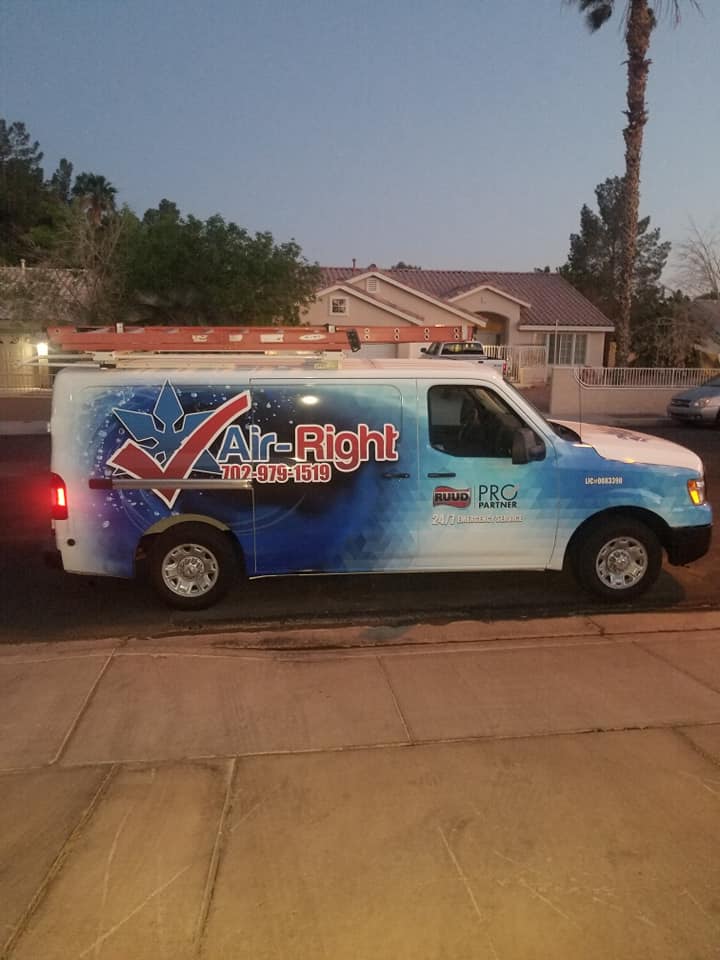
Air-Right

<p>Discover how to help your ac during extreme heat with proven tips to boost efficiency and keep your system running strong in desert conditions.</p>
Why Extreme Heat Challenges Your Cooling System
It is May 2026, and as we look at the weather patterns across Las Vegas and Henderson, it’s clear that our cooling systems are facing their toughest test yet. To understand how to help your ac during extreme heat, we first have to understand the physical wall the machine is hitting. Most standard air conditioners are engineered to handle outdoor temperatures up to about 95°F efficiently. Once the mercury climbs past that threshold, the physics of heat transfer change.
Your AC doesn’t actually “create” cold; it removes heat from inside your home and dumps it outside. When it’s 110°F in Boulder City, the outdoor unit (the condenser) has a much harder time shedding that heat into the already scorching air. This causes the compressor to work under immense strain, often running continuously for 10 to 15 hours a day.
This relentless operation leads to what we call Triple Digit Trouble: Why Your Air Conditioner is Quitting on You. Beyond the risk of a mechanical breakdown, the environmental impact is staggering. Globally, air conditioning accounts for 7% of electricity use. In 2022 alone, cooling-related electricity produced 1 billion metric tons of CO2. By helping your unit run more efficiently, you aren’t just saving your wallet; you’re reducing the load on a power grid that is often pushed to its breaking point during Southern Nevada heat waves.
How to Help Your AC During Extreme Heat Through Smart Habits

One of the most effective ways we can support our HVAC systems is by changing how we interact with them. Many homeowners believe that if they set the thermostat to 65°F, the house will cool down faster. In reality, your AC blows air at a constant temperature; setting it lower just keeps the compressor running longer, increasing the risk of a burnout.
We recommend setting your thermostat to 78°F when you are home. According to energy statistics, each degree you raise the setting can reduce your cooling energy use by roughly 3%. If you’re heading out for the day, bumping it up to 82°F is a smart move, but never turn the system off completely. If the walls and furniture in your home reach 90°F, your AC will have to work for hours just to remove that “thermal mass” heat before you feel a difference in air temperature.
Another pro tip is “pre-cooling.” We suggest lowering the temperature by a few degrees in the early morning hours (4–6 hours before the peak heat hits). This uses the home’s thermal mass to “store” coolness, allowing the AC to cycle less during the hottest part of the afternoon. To see more ways to manage your home’s internal temperature, check out our guide on How to Keep Your Desert Home from Turning into a Giant Oven.
Lastly, watch your indoor activities. Running the oven, the dishwasher, or a high-heat clothes dryer at 3:00 PM is like asking your AC to fight a second war inside the house. Save those chores for the late evening or early morning.
How to help your ac during extreme heat with filter care
If your AC is the “heart” of your home’s comfort, the air filter is its “lungs.” During a Las Vegas summer, wind and dust are constant companions. A clogged filter restricts airflow, which is the leading cause of system “suffocation.” When air can’t flow over the evaporator coils, they get too cold and can actually freeze into a block of ice—even when it’s 100 degrees outside!
We recommend checking your filters every two weeks during extreme heat. If you use high-efficiency MERV-rated filters (typically MERV 8–11), they catch more dust but also clog faster. For a deep dive into how our local environment affects your maintenance needs, read How Desert Dust and Heat Change Your AC Service Schedule. Replacing a $15 filter is the cheapest insurance policy you can buy against a $1,000 compressor repair.
Reducing the cooling load with supplemental methods
You can make a room feel up to 4°F cooler just by using a ceiling fan. This “wind-chill effect” doesn’t actually lower the room temperature, but it helps moisture evaporate from your skin, making you feel much more comfortable at a higher thermostat setting. Just remember: fans cool people, not rooms. Turn them off when you leave! Ensure they are rotating counterclockwise to push a cool breeze downward.
Window shading is your next line of defense. Direct sunlight hitting a window can raise a room’s temperature by 10 degrees or more. By using blackout curtains, solar screens, or reflective window films, you can reduce solar heat absorption by as much as 60%. This significantly lowers the “load” your AC has to overcome.
Essential Maintenance to Prevent System Failure
The outdoor unit, or condenser, needs to breathe. Over time, desert dust, dried leaves, and debris can coat the delicate metal fins of the coils. This creates a “blanket” that traps heat inside the system.
We advise homeowners to maintain at least a 2-foot clearance around the outdoor unit. Trim back any desert scrub or decorative plants that might be encroaching. You can gently rinse the coils with a garden hose (never use a pressure washer, as it will bend the fins), but for a truly deep clean, a professional touch is best.
Don’t forget the condensate drain line. High humidity (yes, even in Vegas during monsoon season) causes moisture to collect. If the drain line clogs with algae or dust, the system might shut down to prevent water damage. A simple cup of vinegar flushed down the drain line every few months can prevent these “nuisance” shutdowns. For a full checklist, see our advice on Beating the Heat with a Desert-Proof Maintenance Plan.
Reducing Energy Loss Through Insulation and Ductwork
Sometimes the problem isn’t the AC; it’s the house. In Las Vegas, attic temperatures can soar to 150°F. If your attic insulation is thin or settled, that heat migrates through your ceiling and into your living space. Proper attic insulation can prevent up to 40% of heat gain, acting like a cooler lid for your home.
Ductwork is another major culprit. In a typical house, 20–30% of conditioned air is lost through leaks and poor connections before it ever reaches your bedroom. This is air you’ve already paid to cool, leaking into a 150-degree attic.
| Feature | Uninsulated / Leaky Home | Insulated / Sealed Home |
|---|---|---|
| Attic Temperature | Can reach 150°F+ | Regulated by ventilation/insulation |
| Energy Loss | 30% through ducts | Less than 5% through ducts |
| Cooling Load | High (System runs 24/7) | Moderate (System cycles normally) |
| Annual Savings | $0 | Average of 15% on utility costs |
Using mastic sealant or foil tape to close these gaps ensures that the air your AC works so hard to cool actually stays in the house.
Recognizing Signs of Trouble and When to Call a Pro
Even with the best habits, components eventually wear out. You need to know the early warning signs before the system fails completely. If you notice your AC is “short-cycling” (turning on and off every few minutes), it’s a sign that the system is struggling or a part is failing.
Other red flags include:
- Warm air blowing from the vents.
- Unusual noises, like grinding, squealing, or loud banging.
- Ice buildup on the copper refrigerant lines or the indoor evaporator coil.
- Spiking energy bills that aren’t explained by a rise in outdoor temperatures.
If your system hits a wall, don’t panic. We’ve put together The Ultimate Survival Guide for When Your AC Quits During a Heatwave to help you stay safe while waiting for a technician.
Knowing when you can’t help your ac during extreme heat alone
There are times when DIY tips won’t cut it. If you smell something burning (like electrical ozone) or if your circuit breaker keeps tripping, shut the system off immediately. These are signs of electrical failure that could lead to a fire or permanent compressor damage.
Refrigerant leaks are another “pro-only” issue. If your system is low on Freon, it cannot absorb heat. Adding refrigerant requires a licensed technician to find the leak, repair it, and recharge the system to exact specifications. In our experience across Las Vegas and Henderson, trying to “limp along” with a broken system usually results in a much more expensive replacement later.
Frequently Asked Questions about AC Performance
Why won’t my AC cool below 75 degrees when it’s 110 outside?
This is usually due to the “20-degree rule.” Most residential systems are designed to create a 20-degree difference between the outdoor air and the indoor air. When it’s 110°F outside, a 75°F indoor temperature is actually a sign that your system is performing remarkably well! If you want it cooler, you’ll need to focus on reducing “heat gain” through better insulation and window shading.
Is it better to turn the AC off or leave it at a higher temperature when away?
Leave it at a higher temperature (about 82°F). Turning it off completely allows the structure of your home to heat up. It takes significantly more energy and puts more wear on the components to bring a 90-degree house back down to 78-degrees than it does to simply maintain a steady 82-degree setting throughout the day.
Can a ceiling fan actually help my air conditioner?
Yes! While a fan doesn’t lower the air temperature, the wind-chill effect allows you to raise your thermostat by about 4 degrees without losing any comfort. This reduces the total “run time” of your AC compressor, extending its life and lowering your power bill.
Conclusion
Knowing how to help your ac during extreme heat is an essential skill for anyone living in Southern Nevada. From the quiet streets of Boulder City to the bustling neighborhoods of Henderson and Las Vegas, our desert climate demands a lot from our cooling equipment. By managing your thermostat wisely, keeping your filters clean, and ensuring your home is well-insulated, you can protect your investment and stay comfortable all summer long.
However, even the most well-maintained systems need a professional eye once a year to catch frayed wires, low refrigerant, or failing capacitors. At Air-Right, we pride ourselves on providing clear, no-pressure recommendations to keep your home a sanctuary against the heat. Schedule your professional AC system services today and let us help you beat the heat with confidence.
Need Help?
Contact us today to discuss your needs. Our team is ready to help.
Related Articles
- Is It a True Emergency? A Triage Guide for 24-Hour Air Conditioning Service in Las Vegas, NV
- Is That Burning Smell an Emergency? Fall Triage Guide for 24 Hour Air Conditioning Service in Las Vegas, NV
- Beyond 24-Hour Air Conditioning Service in Las Vegas: Heat Pump vs. Gas Furnace Options for Fall Upgrades
Related articles


Ready to Get Started?
Whether you need a repair, maintenance, or a new installation, our expert team is here to help.