Beyond 24-Hour Air Conditioning Service in Las Vegas: Heat Pump vs. Gas Furnace Options for Fall Upgrades
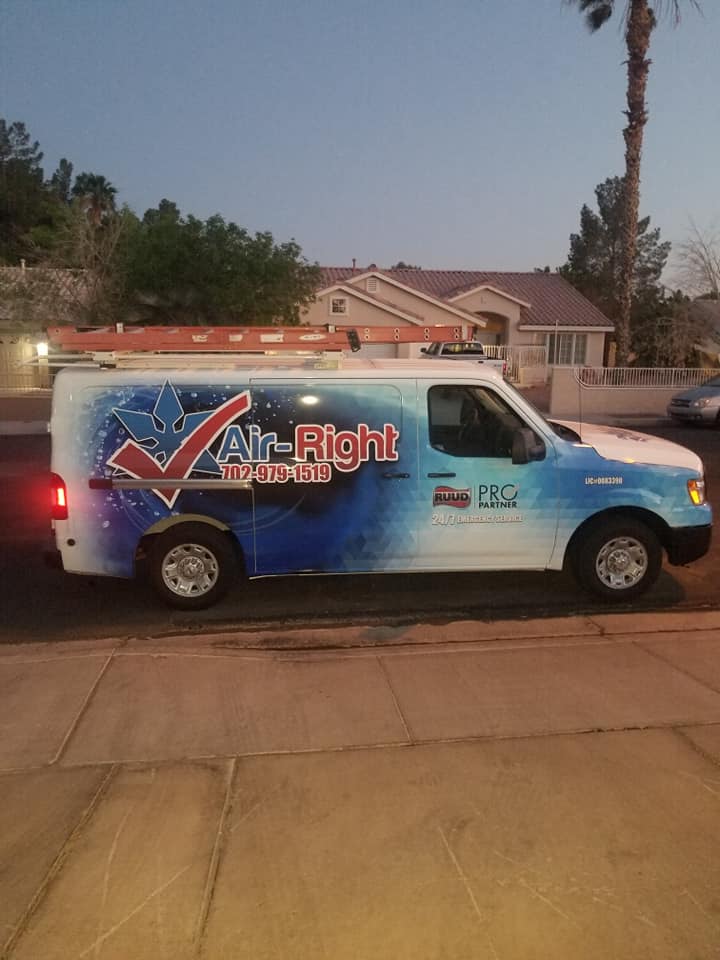
Air-Right

When Summer Strain Demands Fall Upgrades: Evaluating Your Las Vegas HVAC Your air conditioner ran nonstop for the last four months, battling relentless triple-digit heat, but now it is showing serious signs of fatigue.…
When Summer Strain Demands Fall Upgrades: Evaluating Your Las Vegas HVAC
Your air conditioner ran nonstop for the last four months, battling relentless triple-digit heat, but now it is showing serious signs of fatigue. At Air-Right, we know that when an aging system finally gives out, running through options comparisons for homeowners becomes an urgent priority. You need a reliable solution before evening temperatures begin their seasonal drop. To explore professional solutions for your home, you can learn more about our comprehensive air conditioning services.
The extreme desert heat takes a severe toll on mechanical equipment. Dry, dusty conditions compound the strain on aging HVAC systems, clogging coils and forcing blower motors to work twice as hard just to maintain basic airflow. By the time late summer arrives, many units have simply reached the end of their operational lifespan. An emergency breakdown late in the season often forces a critical decision about whole-system replacement rather than a simple patch-up job.
When you replace an outdoor air conditioning unit, you are also making a long-term decision about your heating infrastructure. The most significant choice you face during an October pre-winter heating startup is deciding between an electric heat pump vs. traditional gas furnace. This is not a decision to make based on guesswork. It requires a technical evaluation of mechanical efficiency, your home's existing infrastructure, and how different heating methods perform in a unique desert environment.
Key factors to evaluate during a fall upgrade:
- System age and repair history: Frequent breakdowns usually indicate a failing core component.
- Airflow consistency: Weak airflow often points to compromised blower motors or ductwork issues.
- Energy consumption trends: Spikes in utility bills suggest your system is losing its mechanical efficiency.
- Infrastructure compatibility: Your current electrical panel and gas line setup will dictate which new system integrates most seamlessly.
Diagnosing the Breaking Point: Triage for Aging Systems
The problem: You notice your system running continuously, but the indoor temperature never quite reaches your thermostat setting. The cause: This often indicates a system struggling against a massive thermal load, or a mechanical failure within the compressor or refrigerant lines. The solution: A professional diagnostic evaluation determines whether a targeted repair can save the unit or if a full mechanical replacement is necessary.
Triage for a failing HVAC system requires distinguishing between temporary thermal overload and permanent mechanical degradation. In some cases, what appears to be a catastrophic failure is actually a solvable electrical issue. Our team recently helped a Las Vegas homeowner who experienced an AC power failure during a 110-degree summer weekend. Because of our rapid, reliable 24/7 emergency response tailored to survive extreme Las Vegas heat, an Air-Right technician arrived for a same-day emergency repair, getting the system successfully running again without requiring a full replacement.
However, if your system requires frequent, major interventions, investing in a new unit is often the smarter technical choice. It is crucial to rule out simple issues like blown capacitors or faulty contactors before committing to a replacement. A thorough diagnostic provides the objective data you need to make an informed choice.
If the diagnostic points to a failing compressor or an unrepairable refrigerant leak, you must transition your focus to a complete replacement. Because the outdoor unit handles both cooling and heat transfer (in the case of a heat pump), replacing a failing AC unit means you are simultaneously choosing your new heating method for the upcoming October pre-winter heating startup. To schedule a professional evaluation of your failing system, you can request an AC repair service in Las Vegas.
Understanding Las Vegas Thermal Loads and Desert Winter Demands
The specific climate of Las Vegas dictates the mechanical requirements of any heating system you install. Unlike regions that endure months of deep freezes and heavy snow, our team at Air-Right knows the desert environment presents a unique thermal load profile characterized by rapid day-to-night temperature drops. The sun bakes the exterior of your home during the day, but once the sun sets, the lack of humidity allows that heat to escape into the atmosphere rapidly.
This rapid temperature swing forces your heating system to activate quickly and efficiently to counteract the sudden loss of thermal mass. Average winter lows in the valley rarely sustain below freezing for extended periods. This mild but fluctuating winter environment significantly impacts the mechanical efficiency of different heating systems, making the choice between an electric heat pump vs. traditional gas furnace highly specific to local weather patterns.
Because heating solutions in this region do not need to combat prolonged, harsh freezes, high-output combustion furnaces are sometimes more power than a modern, well-insulated home actually requires. Conversely, systems that excel in mild, above-freezing temperatures operate at peak efficiency in the desert. Understanding this thermal load profile helps you select equipment that avoids short-cycling (turning on and off too quickly because it is oversized) while still providing adequate warmth during the coldest desert nights. If you previously struggled with climate control during the summer, securing an emergency AC repair or system evaluation now ensures your new heating setup will handle the winter swings correctly.
The Mechanics of Air-Source Heat Pumps in Mild Climates
An air-source heat pump operates on a fundamentally different principle than a traditional furnace. Instead of burning fuel to create heat, a heat pump uses electricity to move heat from one place to another. During an October pre-winter heating startup, understanding this mechanical process is vital for evaluating its efficiency in a desert climate.
The sequential operation of a heat pump in heating mode:
- Heat extraction: Even in cool weather, ambient outdoor air contains thermal energy. The outdoor unit's fan pulls air across the evaporator coil, where liquid refrigerant absorbs the heat and turns into a gas.
- Compression: The compressor pressurizes the warmed refrigerant gas, significantly raising its temperature.
- Heat transfer: The hot, pressurized gas travels to the indoor air handler. As indoor air blows across the indoor coil, the heat transfers from the refrigerant into your home's ductwork.
- Refrigerant reset: As the refrigerant releases its heat, it condenses back into a liquid, passes through an expansion valve to lower its pressure and temperature, and returns outside to repeat the cycle.
The critical component that makes this possible is the reversing valve, which dictates the flow of refrigerant. This valve allows the exact same mechanical system to provide both heating in the winter and cooling in the summer. According to U.S. Department of Energy data, air-source heat pumps offer exceptionally high efficiency in above-freezing temperatures, often delivering up to three times more heat energy to a home than the electrical energy they consume.
Because ambient air temperatures in Las Vegas stay well within the optimal operating range for standard heat pumps, these systems rarely need to rely on their secondary, energy-intensive auxiliary heat strips. This makes an electric heat pump vs. traditional gas furnace comparison heavily favor the heat pump for pure operational efficiency in mild climates. If you have experienced issues with the cooling side of this refrigeration cycle, reviewing a guide on troubleshooting AC not cooling in extreme heat can help you understand how the system manages thermal transfer year-round.
Traditional Gas Furnaces: Combustion Heating for Desert Nights
While heat pumps excel in efficiency, traditional gas furnaces remain a reliable and powerful alternative for desert heating. A gas furnace generates heat through a controlled combustion process, providing consistent, high-temperature output regardless of how cold the outdoor ambient air gets.
The combustion process: When your thermostat calls for heat, the furnace opens a gas valve, delivering natural gas to the burners where it is ignited. The resulting flames heat a metal component called a heat exchanger. The blower motor then forces indoor air over the exterior of the hot heat exchanger, warming the air before distributing it through your ductwork. The toxic combustion gases safely vent out of your home through a dedicated flue pipe.
Modern gas furnaces are highly engineered for efficiency. ENERGY STAR data shows that Annual Fuel Utilization Efficiency (AFUE) ratings for contemporary furnaces typically fall between 80% and 98%. An 80% AFUE rating means that 80% of the fuel consumed is converted directly into usable heat for your home, while 20% escapes as exhaust. Higher efficiency models utilize a secondary heat exchanger to capture even more thermal energy from the exhaust gases.
A gas furnace pairs with a traditional air conditioner to manage year-round climate control. The furnace blower acts as the primary air distribution mechanism for both heating and cooling. Before assuming you need a full replacement, accurate diagnostics on existing furnace components are essential. During a recent autumn service call, our team assisted a local customer who had braced for an expensive motor replacement. An Air-Right technician arrived within 90 minutes, diagnosed a simple wiring issue instead, and saved the homeowner from buying a completely new motor. Proper diagnostics ensure you only replace what is genuinely failing during your October pre-winter heating startup.
Infrastructure Readiness: Electrical Panels vs. Existing Gas Lines
In our experience upgrading HVAC systems across Las Vegas, we find that when comparing an electric heat pump vs. traditional gas furnace, the deciding factor often has less to do with the equipment itself and more to do with your home's existing infrastructure. Transitioning between fuel sources requires specific structural and electrical accommodations.
Evaluating Electrical Capacity
Transitioning to a fully electric heat pump system requires substantial electrical capacity. Modern heat pumps, especially when equipped with auxiliary electric heat strips for emergency heating, draw significant amperage. You must verify that your home's main electrical panel can support the dedicated circuits required. Older homes with 100-amp service panels often require a heavy-up (a panel upgrade to 200 amps or more) to safely accommodate the electrical load of a new heat pump system without tripping breakers or causing fire hazards.
Assessing Gas and Venting Structures
Conversely, installing or replacing a gas furnace relies entirely on existing municipal gas lines and venting infrastructure. If your home already has black iron gas piping routed to the HVAC closet or attic, a gas furnace replacement is generally straightforward. However, you must also ensure the flue and ventilation requirements meet modern combustion safety codes. Upgrading to a high-efficiency (90%+ AFUE) condensing furnace often requires installing new PVC venting pipes rather than using an existing metal chimney flue, which alters the installation complexity.
The current setup of your home dictates the complexity of switching fuel sources. Providing an objective framework helps you assess your property's readiness for either system.
| Infrastructure Element | Electric Heat Pump Requirement | Traditional Gas Furnace Requirement |
|---|---|---|
| Power Supply | Dedicated 220V/240V circuit; possible panel upgrade needed. | Standard 110V/120V circuit for blower motor and ignition. |
| Fuel Source | Grid electricity only. No combustible fuel lines required. | Active municipal natural gas line routed to the unit. |
| Venting & Exhaust | None required. No combustion gases are produced. | Dedicated metal flue or PVC exhaust piping (depending on AFUE). |
| Indoor Space | Standard air handler footprint. | Requires proper clearances for combustion safety and makeup air. |

Proactive Upgrades: Why the Pre-Winter Window Matters
Timing your HVAC replacement carefully prevents mid-season emergencies. The window before evening temperatures drop significantly—specifically the October pre-winter heating startup period—is the optimal time for system replacements. Proactive scheduling ensures you are not making rushed decisions while your house is freezing, and it prevents desperate emergency calls during the first major cold snap of the season.
Checklist for proactive pre-winter HVAC decisions:
- Schedule a comprehensive inspection: Identify failing components before they cause a total system shutdown.
- Evaluate your home's infrastructure: Determine if your electrical panel or gas lines require modifications.
- Review incentive programs: Federal tax credits and utility incentives may apply to qualifying high-efficiency heat pump installations, making the transition more viable. Verify current programs with your utility provider or a tax professional.
- Book installation early: Secure your preferred installation date before the seasonal rush limits technician availability.
Thorough system evaluations play a massive role in preventing mid-season failures. Even if you decide your current system has another year of life left, having a professional assess the mechanical components ensures you know exactly where you stand. To keep your existing equipment running smoothly, consider scheduling preventative AC maintenance before transitioning fully into the heating season.
Frequently Asked Questions About Desert Heating Systems
How does a heat pump work in a desert climate?
A heat pump works exceptionally well in a desert climate by transferring heat rather than generating it. Because daytime temperatures remain mild and winter nights rarely sustain deep freezes, the outdoor air retains enough thermal energy for the refrigerant to absorb and transfer indoors. This process requires significantly less electricity than generating original heat, making it highly efficient for regions like Las Vegas.
What are the infrastructure requirements for switching from gas to electric heating?
Switching from a gas furnace to an electric heat pump requires evaluating your home's main electrical panel. Heat pumps draw higher amperage than gas furnaces, often necessitating a dedicated 240-volt circuit and potentially a full electrical panel upgrade (heavy-up) to 200 amps. You must also safely cap off the existing natural gas line and seal the old combustion exhaust flues.
Is a heat pump better than a gas furnace in a desert climate?
A heat pump is often considered mechanically superior in a desert climate due to its high efficiency in mild, above-freezing temperatures. Because the region lacks prolonged, harsh freezes, the heat pump rarely needs to use energy-intensive auxiliary heating. However, the "better" option ultimately depends on your home's existing electrical capacity and ductwork infrastructure.
How does a heat pump work during a cold desert night?
During a cold desert night, the heat pump's refrigerant still absorbs heat from the outdoor air, as thermal energy exists all the way down to absolute zero. If the temperature drops drastically, the system will run longer cycles to extract enough heat. Modern systems are highly capable of maintaining indoor comfort even when outdoor temperatures dip into the 30s.
Do I need a gas line for a new heating system?
You only need a gas line if you are installing a traditional gas furnace or a dual-fuel system. If you choose to install a fully electric air-source heat pump, you do not need a natural gas connection. The system relies entirely on your home's electrical grid to power the compressor and air handler.
How do rapid day-to-night temperature drops affect HVAC mechanical efficiency?
Rapid day-to-night temperature drops force an HVAC system to respond quickly to sudden changes in the home's thermal load. Systems must be properly sized; an oversized unit will short-cycle, turning on and off too rapidly, which wastes energy and increases wear and tear. Properly sized systems manage these swings smoothly, maintaining consistent indoor temperatures without mechanical strain.
Secure Your Home's Comfort Before the Cold Arrives
Choosing between an electric heat pump vs. traditional gas furnace ultimately comes down to understanding mechanical efficiency and evaluating your home's existing infrastructure. The unique thermal loads of the Las Vegas desert require a system capable of handling rapid temperature shifts without wasting energy. Acting during the October pre-winter heating startup window ensures you have the time to make an objective, data-backed decision.
Do not wait for your aging system to fail on the coldest night of the year. Seek a professional assessment to determine the best technical fit for your property's specific electrical and structural layout. Contact our licensed technicians at Air-Right today to book a comprehensive inspection and secure your home's comfort before the winter weather arrives.
Need Help?
Contact us today to discuss your needs. Our team is ready to help.
Related Articles
- Is That Burning Smell an Emergency? A Triage Guide for 24 Hour Air Conditioning Service in Las Vegas, NV
- Is It a True Emergency? A Triage Guide for 24-Hour Air Conditioning Service in Las Vegas, NV
- Fall HVAC Checklist: Triage Guide for 24-Hour Air Conditioning Service in Las Vegas, NV
Related articles


Ready to Get Started?
Whether you need a repair, maintenance, or a new installation, our expert team is here to help.