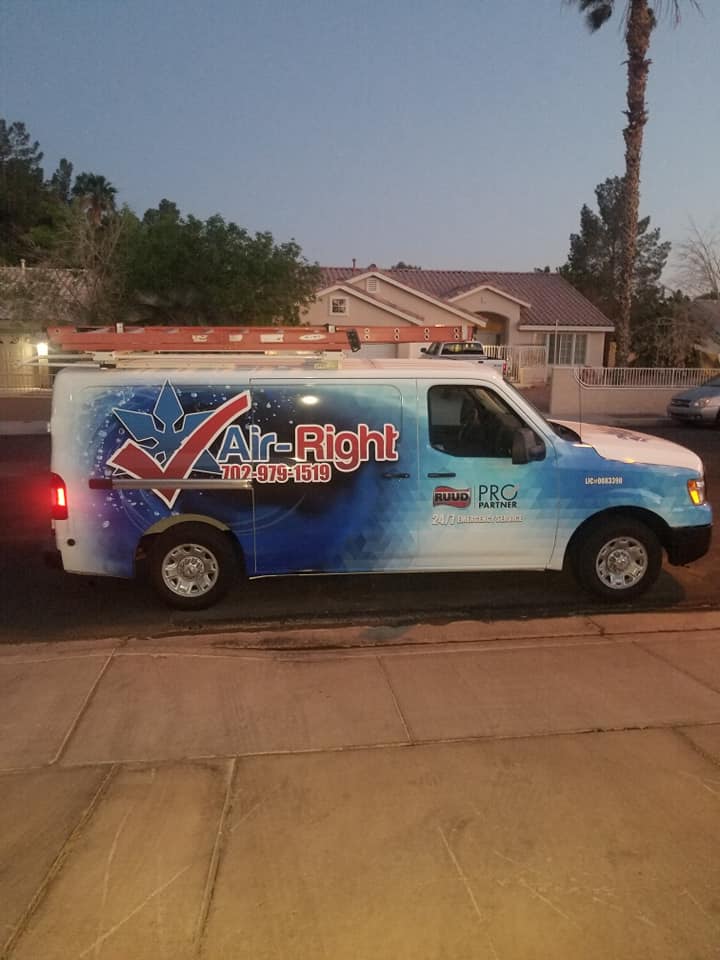
Fall HVAC Triage: When to Call for 24-Hour Air Conditioning Service in Las Vegas, NV
Air-Right

Navigating the Shift: When Fall HVAC Symptoms Require Professional Triage When crossing off the top items on your seasonal home maintenance checklist this October, you might notice that the transition from heavy desert…
Navigating the Shift: When Fall HVAC Symptoms Require Professional Triage
When crossing off the top items on your seasonal home maintenance checklist this October, you might notice that the transition from heavy desert cooling to heating is often the most stressful event for your home's mechanical equipment. You flip the thermostat from cool to heat, anticipating a cozy evening as the outside temperatures drop, but are instead met with strange odors, unsettling noises, or a system that simply refuses to ignite. This mid-fall heating startup is a critical decision point for any homeowner. You must determine whether a dusty smell is just harmless burn-off or a serious red flag that requires immediate professional intervention. Relying on expert guidance ensures your transition is safe, efficient, and free of sudden lockouts. At Air-Right, our technicians have spent years guiding Las Vegas homeowners through this exact seasonal shift. For comprehensive support with your air conditioning systems, trust our 24-hour AC repair service in Las Vegas.
The Hidden Strain of the Transition
Many homeowners assume that because their system kept the house cool all summer, it is perfectly primed to provide heat in the fall. Unfortunately, this is a dangerous misconception. The internal components of your HVAC unit—blowers, contactors, and control boards—have just endured months of nearly continuous operation. Switching modes from cooling to heating introduces a completely different sequence of mechanical operations. Gas valves must open, igniters must glow, and heat exchangers must safely contain combustion gases. If any of these components have degraded slightly over the summer, the first heating cycle is exactly when they will fail.
The core dilemma: Knowing when to wait out a symptom and when to call for help. A brief odor might be normal, but a grinding noise or a flashing error code on your thermostat is your system's way of demanding attention. Understanding these signals separates a proactive homeowner from one who wakes up freezing in the middle of a November night. Local technicians who understand these specific transition strains are your best resource for keeping your equipment running safely.
The Compounding Effect of Desert Summers on Fall Performance
To understand why fall breakdowns happen, you have to look at what your system just went through. With summer temperatures regularly exceeding 100°F in the Las Vegas Valley, residential cooling systems operate under extreme, relentless duress. This continuous operation takes a massive mechanical toll on the moving parts and electrical components hidden inside your condenser and air handler.
The Mechanical Toll of Triple-Digit Heat
During the peak of summer, your system's blower motor runs almost continuously to circulate conditioned air. Electrical components like capacitors, which provide the jolt of energy needed to start the motors, endure intense thermal degradation. Contactors, the switches that control the flow of electricity to the compressor, can become pitted and burned from thousands of on-and-off cycles. By the time October arrives, these parts are often operating on borrowed time.
The cascading failure: Components that have been pushed to their absolute limits in the heat often fail precisely when the system mode is switched in the fall. The change in electrical demand during a heating startup can be the final straw for a weakened capacitor or a struggling blower motor. In our years of dispatching Air-Right technicians across the valley, we consistently see that systems in our extreme desert climate endure their maximum stress before the heating season even begins. If you spent July troubleshooting an AC not cooling in triple-digit heat, there is a high probability that your system requires professional attention before you demand heat from it.
Addressing this lingering summer wear is a critical, non-negotiable part of your fall home maintenance. Ignoring the physical toll of the desert climate guarantees that minor electrical degradation will evolve into a complete mechanical lockout just as the nights get uncomfortably cold.
Executing a Safe Mid-Fall Heating Startup
October presents the ideal critical window for safely testing your heating system. During this mid-fall heating startup, daytime temperatures are still mild enough that a discovered failure won't leave your family in danger, but the nights are cool enough to accurately test the equipment's output. However, initiating this first cycle requires observation and strict adherence to safety boundaries.
Preparation Before You Touch the Thermostat
Before you ever switch your thermostat to "heat," there are several foundational safety checks that must occur. Heating systems, particularly gas furnaces, introduce the risk of combustion byproducts into the home if they are not operating correctly.
- Check all life-safety devices: Test your smoke detectors and carbon monoxide (CO) detectors. Replace the batteries if they are older than six months. A functioning CO detector is your primary defense against a cracked heat exchanger.
- Clear the mechanical space: Over the summer, it is common for boxes, holiday decorations, or cleaning supplies to migrate near the furnace in the garage or utility closet. Ensure there is at least a three-foot clearance around the unit to prevent fire hazards and ensure proper combustion airflow.
- Replace the air filter: A clogged filter from summer dust and pet dander will severely restrict airflow, causing the furnace to overheat and shut down on its high-limit safety switch within minutes of startup.
- Observe the ignition sequence: Turn the thermostat to heat and set it a few degrees above room temperature. Listen carefully. You should hear the inducer motor start, followed by the click of the igniter or gas valve, and finally, the gentle whoosh of the main blower motor engaging.
The DIY Boundary: While observing the thermostat response and changing filters are excellent homeowner tasks, you must never attempt internal furnace adjustments. Opening the cabinet to clean flame sensors, adjust gas pressure, or bypass safety switches is strictly prohibited by local building codes and requires a licensed professional. Tampering with these mechanisms can result in catastrophic fire hazards or carbon monoxide leaks.
Decoding the Initial Furnace Cycle Odor: Normal vs. Hazardous
One of the most common reasons homeowners call for triage during the fall is a sudden, alarming smell coming from their vents. When you initiate the first heating cycle of the season, a distinct odor is almost guaranteed. The critical decision point is determining whether this initial furnace cycle odor is a routine occurrence or a severe safety hazard.
The Science Behind the Smell
During the long summer months, your furnace sits idle while the air conditioner does all the work. Even with a good air filter, microscopic dust particles, pet dander, and airborne debris settle on the surface of the furnace's heat exchanger. When the burners ignite for the first time in autumn, the heat exchanger rapidly reaches high temperatures, literally incinerating the settled dust. This creates a distinct, slightly smoky smell that permeates the house through the ductwork.
Our Air-Right dispatchers field dozens of calls about these exact smells every October. To help you navigate this transition, we have broken down the differences between harmless burn-off and odors that require immediate professional dispatch.
| Odor Characteristics | Typical Cause | Duration | Required Action |
|---|---|---|---|
| Dusty or slightly smoky scent | Accumulated dust burning off the heat exchanger. | Dissipates naturally within 15 to 30 minutes. | Monitor the system. Open a window if needed. No professional required. |
| Acrid, melting plastic smell | A foreign object (like a toy or wrapper) in the ductwork, or melting wire insulation inside the cabinet. | Persists and worsens as the system runs. | Shut down immediately. Call for professional 24-hour service. |
| Sharp electrical burning (ozone) | Overheating blower motor, failing capacitor, or short-circuiting control board. | Persists as long as the blower is engaged. | Shut down immediately. Disconnect power at the breaker and call a technician. |
| Rotten egg or sulfur smell | Natural gas leak near the furnace valves or supply line. | Present even when the furnace is not running. | Evacuate the home. Call your utility provider and emergency services immediately. |
If you experience any of the hazardous odors listed above, do not wait to see if the smell goes away. The safest route is to power down the system at the thermostat and the breaker panel, then request an urgent diagnostic visit.

Recognizing a True Mechanical Emergency
While a dusty smell is normal, other symptoms point to a total system failure that warrants an immediate 24-hour dispatch. Understanding what constitutes a true mechanical emergency helps you protect your property and keep your household safe during unpredictable fall weather.
Defining the Emergency Threshold
In the desert, autumn is characterized by rapid, extreme temperature swings. A day that peaks in the high 80s can easily plummet into the 40s overnight. Because of this volatility, a fully functioning HVAC system is a safety necessity, not just a comfort preference.
- Complete power failure: If the thermostat is blank, the breakers are not tripped, and the system refuses to respond to any commands, you have a critical electrical failure.
- Short-cycling with no heat: If the furnace ignites but shuts down less than a minute later, it is likely tripping a high-limit safety switch. This indicates severe overheating, often due to restricted airflow or a failing blower motor.
- Mechanical grinding or screeching: Loud, metallic noises indicate metal-on-metal friction. This is usually a failing motor bearing. Allowing the system to run in this state will destroy the motor entirely.
- Suspected refrigerant leaks: If your system is a heat pump rather than a gas furnace, a lack of warm air combined with ice forming on the outdoor coils points to a severe refrigerant issue.
Real-World Urgency in Extreme Conditions
The necessity of prompt action cannot be overstated when the weather is working against you. Just as an AC power failure during a 110-degree summer weekend presents a severe hazard—like one of our Air-Right customers experienced before our emergency weekend dispatch safely restored their system the same day—a sudden heating failure during a rapid fall temperature drop is equally critical. Ignoring a system lockout or strange mechanical noises out of a desire to delay a repair bill often leads to far more extensive damage to the unit.
Why Proactive Maintenance Prevents Sudden Lockouts
Shifting your mindset from reactive emergency response to proactive seasonal preparation is the most effective way to protect your HVAC investment. A comprehensive pre-winter inspection identifies worn components before they have the chance to cause a complete system failure.
The Value of a Professional Mechanical Inspection
There is a vast difference between a generic home checklist—like cleaning your gutters or wiping down baseboards—and a comprehensive mechanical inspection performed by a licensed technician. According to the Department of Energy, heating and cooling account for nearly half of a typical home's energy usage. Ensuring that this massive energy consumer is operating efficiently is paramount.
During a professional tune-up, a technician doesn't just look at the equipment; they measure its performance. They will:
- Test electrical tolerances: Measuring the microfarads of capacitors and the amp draw of blower motors to ensure they are within safe operating ranges.
- Clean critical sensors: The flame sensor in a gas furnace can become coated in microscopic carbon buildup. If the sensor cannot detect the flame, the control board will shut off the gas valve as a safety precaution, leaving you without heat.
- Inspect the heat exchanger: Using specialized cameras, technicians look for hairline cracks in the heat exchanger metal. A cracked heat exchanger allows deadly carbon monoxide to mix with the air blowing into your home.
By scheduling preventative AC maintenance and heating inspections in the fall, you ensure a seamless, safe transition between cooling and heating modes, drastically reducing your risk of a mid-winter breakdown.
Local Service Availability for Urgent HVAC Needs
When fall triage reveals a critical failure, you need the assurance that a reliable team is available around the clock. Establishing trust with a local authority means you don't have to panic when your system refuses to start on a chilly October night.
Transparent Diagnostics and Prompt Restoration
The cornerstone of excellent service is transparent diagnostics. A professional technician will find the root cause of your comfort issues rather than simply pushing for unnecessary equipment replacements. Sometimes, lingering comfort issues aren't just about the furnace or AC unit itself. For example, our Air-Right team recently helped a local customer who struggled with a specific room that simply would not reach the desired temperature for over six years. Our thorough, expert inspection revealed a hidden break in the attic ductwork. Our technicians promptly repaired and resealed the duct, ensuring the conditioned air finally reached the room as intended.
This level of detailed troubleshooting is why having a trusted local expert matters. Whether you are dealing with hidden duct issues, worn summer parts, or an abrupt mechanical lockout, prompt, same-day or next-day service is the standard for safety-critical failures. If you find yourself facing an unexpected breakdown, rely on our team for emergency AC repair in Summerlin and the greater Las Vegas area. We are committed to restoring your home's safety and comfort professionally and reliably.
Ensure a Safe Transition With Local Expert Support
Adding a thorough HVAC check to your seasonal home maintenance checklist is the smartest move you can make this fall. Understanding the difference between normal startup symptoms and actual mechanical failures empowers you to make safe, informed decisions about your home. When in doubt, professional triage is always the safest route. Don't wait for a freezing night to discover your heater is compromised; reach out to book your pre-winter inspection or request urgent repairs if you suspect a failure today.
Frequently Asked Questions
What should be on a fall home maintenance checklist?
A comprehensive fall home maintenance checklist should prioritize the safety and efficiency of your mechanical systems. Key tasks include testing smoke and carbon monoxide detectors, replacing HVAC air filters, and clearing debris from around outdoor condenser units. Most importantly, it must include scheduling a professional pre-winter inspection for your heating system to ensure it transitions safely from summer cooling.
When should I turn on my heater for the first time?
You should turn on your heater for the first time during a mild day in mid-fall, typically in October. Testing the system during the day allows you to safely observe its startup sequence without the pressure of freezing overnight temperatures. If the system fails to ignite or exhibits warning signs, you will have ample time to schedule a professional repair before the severe cold sets in.
Is it normal for a heater to smell like it is burning when first turned on?
Yes, a brief, dusty burning smell is completely normal during the first heating cycle of the season. This odor is caused by accumulated dust and dander burning off the furnace's heat exchanger. However, this smell should naturally dissipate within 15 to 30 minutes; if you smell melting plastic, electrical ozone, or gas, shut the system down immediately.
How do I prep my HVAC for winter in a desert climate?
Prepping your HVAC for winter in a desert climate requires addressing the severe wear and tear caused by continuous summer cooling. Start by replacing your air filter and ensuring all vents are unblocked. Then, hire a licensed technician to inspect electrical components like capacitors and contactors, which often degrade in triple-digit heat and can fail during the switch to heating mode.
How do I know if my furnace is safe for winter operation?
The only definitive way to know your furnace is safe for winter operation is through a professional mechanical inspection. A licensed technician will measure electrical tolerances, clean the flame sensor, and visually inspect the heat exchanger for hairline cracks. If your system starts smoothly, runs without grinding noises, and does not trigger your carbon monoxide detectors, it is generally operating safely.
What constitutes an actual HVAC emergency in Las Vegas during the fall?
An actual HVAC emergency in the fall includes a complete power failure at the thermostat, persistent electrical burning odors, or a system that repeatedly short-cycles and shuts down. Because desert autumns feature rapid temperature drops from day to night, a total loss of heating capability poses a safety risk to your home and requires an immediate 24-hour service dispatch.
Need Help?
Contact us today to discuss your needs. Our team is ready to help.
Related Articles
- Is That Burning Smell an Emergency? A Triage Guide for 24-Hour Air Conditioning Service in Las Vegas, NV
- Is That Burning Smell a True Emergency? A Guide to 24 Hour Air Conditioning Service in Las Vegas
- Is It a True Emergency? A Fall Triage Guide for 24-Hour Air Conditioning Service in Las Vegas, NV
Related articles


Ready to Get Started?
Whether you need a repair, maintenance, or a new installation, our expert team is here to help.