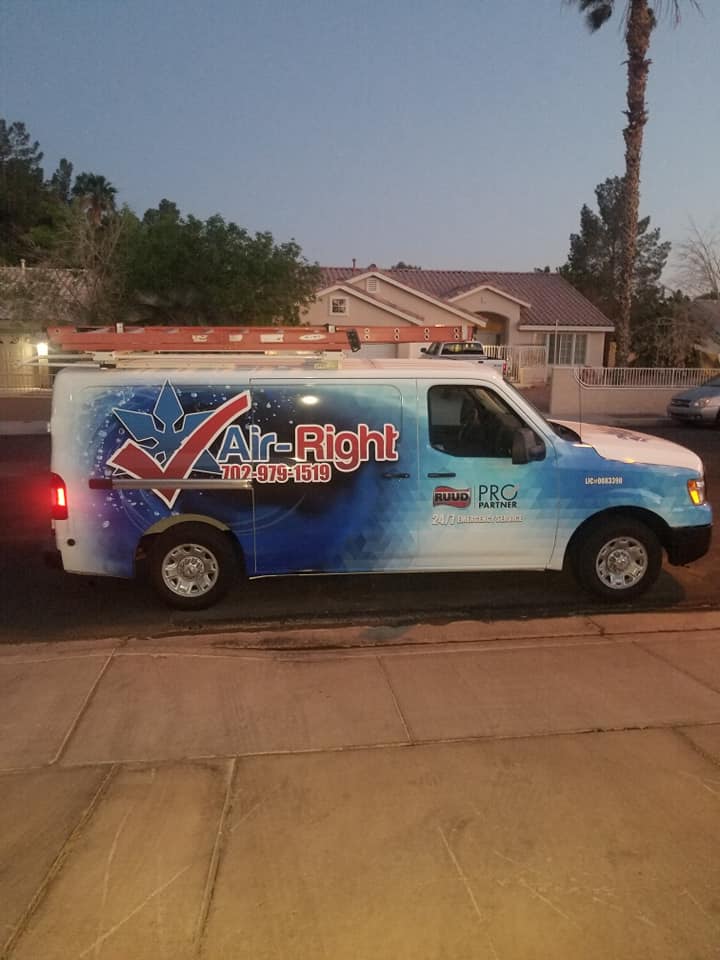
Is Your Fall Heater Startup a True Emergency? A Guide to 24 Hour Air Conditioning Service in Las Vegas, NV
Air-Right

Why Is Your First Fall Heater Startup Acting Up? Is your HVAC system actually broken, or just struggling to switch gears for the season? When you are searching for home maintenance tips and troubleshooting advice, this…
Why Is Your First Fall Heater Startup Acting Up?
Is your HVAC system actually broken, or just struggling to switch gears for the season? When you are searching for home maintenance tips and troubleshooting advice, this is often the first question that comes to mind as temperatures begin to drop. At Air-Right, our team typically sees a spike in anxiety from homeowners during the first chilly night of the October desert temperature transition. Turning on the heat can be a stressful experience, especially when you are immediately greeted by strange burning smells or a system that refuses to blow warm air. You are left facing a critical decision point: is this just normal seasonal dust burning off, or a sign of a failing mechanical component that requires a professional?
When a sudden breakdown happens, knowing you have access to reliable 24 hour air conditioning service in Las Vegas makes all the difference in restoring your peace of mind. The anxiety of a potential heating failure is common, particularly because transitioning your HVAC system after months of heavy, continuous cooling usage puts a unique strain on the equipment. Your system has been operating in one mode for over half the year, and asking it to suddenly reverse its function requires every internal component to perform flawlessly.
The core premise of a successful fall startup is distinguishing between harmless, temporary symptoms and severe mechanical failures. A brief odor of dust burning off a heat exchanger is a standard part of the seasonal shift. However, persistent electrical smells, loud grinding noises, or a complete lack of warm air indicate that the system has sustained wear that needs immediate professional attention. Understanding these differences helps you protect your equipment from further damage and ensures your home remains comfortable as the colder weather sets in.
How a Brutal Summer Impacts Your Fall HVAC Transition
To understand why your heater might struggle in the fall, you have to look at what it endured over the summer. Six months of continuous, grueling cooling operation stresses specific components to their limits. Blower motors run non-stop to circulate conditioned air, capacitors endure constant electrical loads to start the compressor, and heat pump reversing valves sit locked in a single position for thousands of hours. In our years of keeping Las Vegas comfortable, we've noticed that by the time the valley begins to cool down, local HVAC systems are already deeply fatigued.
If you spent July troubleshooting an AC not cooling in extreme heat, your system has likely experienced the kind of thermal stress that makes fall transitions difficult. Systems operating in extreme desert climates experience unique wear-and-tear compared to those in milder regions. The arid, dusty environment of the region accelerates particulate accumulation on heat exchangers, indoor coils, and blower wheels. Because the air is incredibly dry, fine dust bypasses standard filters more easily, settling deep inside the unit during the long summer cooling season.
This heavy particulate buildup is exactly what causes the notorious burning smell when you first turn on your furnace or heat pump. As the heating elements or heat exchangers warm up for the first time in months, they incinerate the layer of desert dust that has coated them. This direct connection between summer system fatigue, environmental dust, and fall startup issues highlights the importance of proactive diagnostics. A system that barely survived the summer heat wave is highly vulnerable to component failure the moment it is forced to switch into heating mode.
Normal Heater Startup Symptoms vs. Emergency Warning Signs
When you initiate that first October desert temperature transition heating cycle, knowing exactly what to listen for and smell can save you from a costly disaster. Some symptoms are entirely harmless, while others mean you need to shut the system down at the thermostat immediately to prevent catastrophic electrical or mechanical damage.
| Symptom | Likely Cause | Action Required |
|---|---|---|
| Brief burning dust smell | Summer dust settling on heat exchangers | Monitor; should fade in 15-30 minutes |
| Minor clicking sounds | Thermostat communicating with relays | Normal operation; no action needed |
| Burning plastic or wire smell | Melting insulation or failing electrical parts | Shut off immediately; call a professional |
| Loud grinding or screeching | Failing blower motor bearings | Shut off immediately; requires repair |
| Repeated breaker tripping | Electrical short or grounded compressor | Do not reset; requires emergency service |
Signs It Can Wait for Regular Maintenance
- Brief burning dust smell: A faint odor of burning dust is the most common fall startup symptom. It typically dissipates entirely within 15 to 30 minutes as the system burns off the summer accumulation.
- Minor clicking noises: Hearing a few soft clicks as the thermostat communicates with the unit and relays engage is standard.
- Slight delay in warm air: A minor delay in warm air delivery during the very first cycle is normal, especially for heat pumps that need a moment to reverse the refrigerant flow and build pressure.
Red Flags Requiring Immediate Service
- Persistent electrical odors: The smell of burning plastic, melting rubber, or ozone indicates an electrical short or a failing motor. This is an active fire hazard.
- System repeatedly tripping the circuit breaker: If your heater trips the breaker, do not keep resetting it. This is the system's safety mechanism protecting your home from a massive electrical fault.
- Loud mechanical noises: Banging, grinding, or loud screeching from the blower motor means metal is scraping on metal, usually due to failed bearings or a broken blower wheel.

The Stuck Reversing Valve: When Your Heat Pump Blows Cold
One of the most frustrating problems homeowners face during the fall transition is a heat pump that simply refuses to produce heat. You set the thermostat perfectly, the system turns on, the blower runs, but the air coming out of the vents feels just as cold as it did in July. In our experience working on residential properties across the Las Vegas Valley, where heat pumps are incredibly common, our technicians frequently trace this issue back to a single, critical component: the reversing valve.
The Problem: The system runs continuously but fails to raise the indoor temperature, blowing cold air despite the thermostat clearly being set to "heat" mode.
The Cause: A heat pump provides both cooling and heating by using a reversing valve to physically switch the direction of the refrigerant flow. During the summer, the valve directs hot refrigerant outside to dump heat. In the winter, it reverses, bringing heat from the outside air indoors. However, after prolonged use in cooling mode—often six to eight solid months in the desert—the internal slide mechanism of the reversing valve can become physically stuck. The solenoid coil that controls the valve may fail, or the internal pressures might not equalize properly, leaving the system permanently locked in air conditioning mode.
The Solution: Unsticking, diagnosing, or replacing a reversing valve is strictly a job for a licensed professional. It requires recovering the refrigerant, un-brazing the old valve with a torch, carefully brazing in a new one without overheating the sensitive internal components, and pulling a deep vacuum on the system before recharging it. Attempting to force the valve or tamper with the refrigerant lines can permanently destroy the compressor.
Safe Troubleshooting Steps Before Calling for Help
Before you request emergency service during the October desert temperature transition, there are a few safe, homeowner-appropriate steps you can take to rule out simple user errors. Sometimes, what looks like a major breakdown is actually a minor airflow or setting issue. However, it is vital to remember the strict rule of HVAC troubleshooting: never open electrical panels, handle high-voltage wiring, or attempt to service internal mechanical parts without a license.
- Verify the thermostat settings: Double-check that the thermostat is actually set to "heat" and not accidentally left on "cool" or "fan only." Ensure the set temperature is at least three degrees higher than the current room temperature to force the system to call for heat.
- Check and replace dirty air filters: A severely clogged air filter restricts airflow, which can cause the furnace heat exchanger to overheat and trip a high-limit safety switch, shutting the system down. Replacing a dirty filter is the easiest way to restore proper function.
- Inspect interior vents and registers: Walk through your home and ensure all supply and return vents are fully open. Make sure no heavy furniture, rugs, or curtains have been moved over the vents, as blocked airflow will suffocate the system.
- Check the circuit breaker: Look at your main electrical panel to see if the breaker for the HVAC system has tripped. You can safely reset a tripped breaker exactly once. If it trips again immediately, leave it off and call a professional.
Routine AC maintenance and tune-ups often catch these minor airflow and setting issues before they escalate into complete system lockouts on the first cold night of the year.
The Value of Accurate, Rapid Professional Diagnostics
When safe troubleshooting steps fail to resolve the issue, the next step is securing an accurate, rapid professional diagnosis. HVAC symptoms can be incredibly misleading. What sounds like a failing draft inducer motor might actually be a fault in the control board failing to send the correct voltage. A system that blows cold air might have a stuck reversing valve, or it might simply be low on refrigerant due to a tiny leak that developed over the summer.
Relying on inaccurate diagnoses from inexperienced technicians can lead to expensive, unnecessary part replacements. If a technician guesses at the problem rather than testing it, you might pay for a new thermostat when the real issue was a chewed wire in the attic. At Air-Right, we know firsthand that in the Las Vegas Valley, where temperatures can drop sharply at night, you don't have time for guesswork.
This is where the value of fast, reliable 24/7 emergency response becomes clear. A licensed professional arrives with the right diagnostic tools—multimeters, manometers, and refrigerant gauges—to pinpoint the exact root cause of the failure. They test electrical amp draws, verify capacitor microfarads, and check the continuity of safety switches. This targeted approach provides peace of mind, ensuring that repairs are handled efficiently, safely, and correctly the first time. Whether you need a minor wiring repair or a comprehensive Summerlin AC Repair, getting the right professional on the job prevents a simple fix from turning into a premature system replacement.
Frequently Asked Questions About Fall Heating Startups
Why does my heater smell like burning when I turn it on?
It is usually dust that has settled on the heat exchanger or heating elements over the summer burning off. When the system sits idle for months, fine particles accumulate on the internal components. The moment those parts heat up for the first time, the dust incinerates, creating a distinct burning odor that travels through your ductwork.
How long does a heater smell when you first turn it on for winter?
A normal dust-burning smell should completely dissipate within 15 to 30 minutes of operation. If the smell lingers for hours, or if it changes from a dusty odor to an electrical or plastic smell, shut the system down immediately and contact a licensed HVAC technician.
Why is my heat pump blowing cold air in heat mode?
This is often caused by a stuck reversing valve, a refrigerant issue, or the system temporarily entering defrost mode. If the reversing valve is locked in its summer cooling position, the system cannot switch the flow of refrigerant to bring heat indoors, requiring professional diagnostic testing to resolve.
What should I do if my heater smells like burning plastic?
Turn the system off immediately at the thermostat and call a professional, as this indicates an electrical issue or a melting component. A burning plastic or ozone smell is never normal and often points to failing wire insulation, a burning motor, or a compromised capacitor that poses a fire risk.
When should I call a professional for a heater smell?
Call if the smell lasts longer than 30 minutes, smells like plastic or electricity, or is accompanied by smoke or loud noises. While brief dusty odors are harmless, any acrid, chemical, or electrical scent requires immediate professional intervention to ensure your home's safety.
Does heavy desert dust make fall heater startups worse?
Yes, arid environments lead to heavier particulate accumulation, which can make the initial burning dust smell stronger if the system wasn't cleaned. In the Las Vegas Valley, the fine, dry dust bypasses standard filters easily, coating the internal heating elements and resulting in a more noticeable odor during the first startup.
Get Expert Help for Your Fall HVAC Transition
Navigating the October desert temperature transition doesn't have to be a source of stress. If your first heating cycle of the season has revealed strange noises, persistent odors, or a total lack of warm air, expert help is available around the clock to restore your comfort. You don't have to guess whether a symptom is a minor quirk or a major mechanical failure.
Our team at Air-Right highly encourages scheduling a comprehensive inspection or calling for emergency service if you suspect your system is struggling. Proactive care ensures your equipment operates safely and efficiently all season long. If your system is older and facing major repairs, it is worth noting that federal tax credits may apply to qualifying high-efficiency heat pump installations, making an upgrade more accessible—always verify current programs with a tax professional. For reliable, targeted solutions that prioritize your safety, explore our comprehensive Air Conditioning Services. Getting a clear, expert explanation of your system's health is the best way to know exactly when to repair versus replace, giving you total peace of mind without ever risking dangerous DIY hazards.
Need Help?
Contact us today to discuss your needs. Our team is ready to help.
Related Articles
- Fall HVAC Triage: When to Call for 24-Hour Air Conditioning Service in Las Vegas, NV
- Is That Burning Smell an Emergency? A Triage Guide for 24-Hour Air Conditioning Service in Las Vegas, NV
- Is That Burning Smell a True Emergency? A Guide to 24 Hour Air Conditioning Service in Las Vegas
Related articles


Ready to Get Started?
Whether you need a repair, maintenance, or a new installation, our expert team is here to help.