Is That Burning Smell an Emergency? Triaging Fall Heating and 24-Hour Air Conditioning Service in Las Vegas, NV
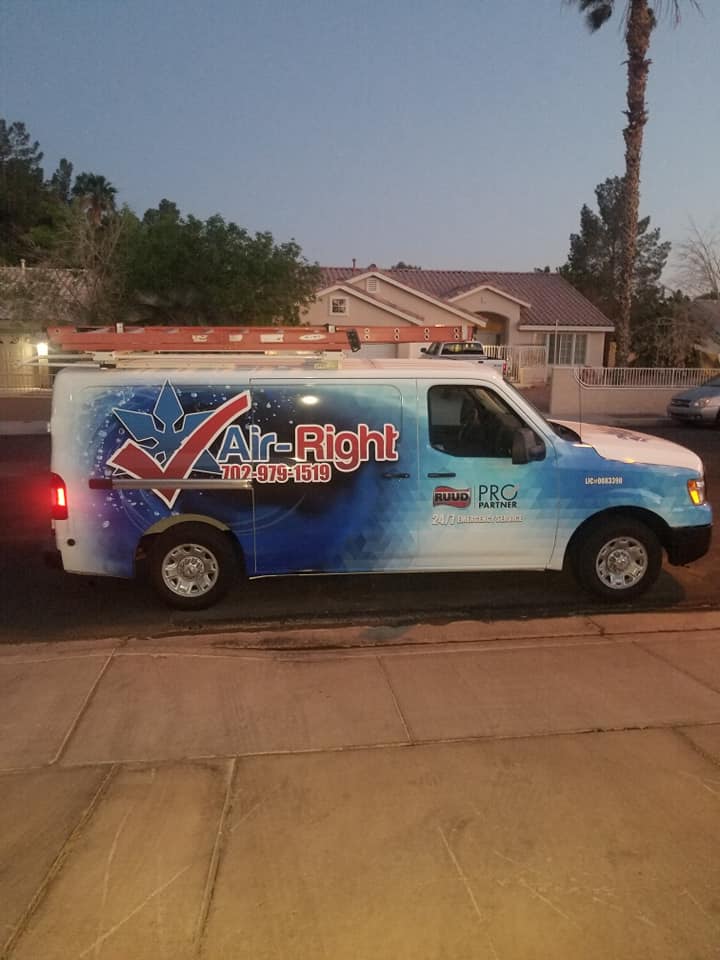
Air-Right

That First Chilly Night: Is a Burning Odor Cause for Panic? Are you staring at your thermostat, wondering why your first attempt to warm up the house smells like a dry, dusty campfire? You are not alone. When the…
That First Chilly Night: Is a Burning Odor Cause for Panic?
Are you staring at your thermostat, wondering why your first attempt to warm up the house smells like a dry, dusty campfire? You are not alone. When the mid-fall October temperature drop finally arrives in Nevada, thousands of homeowners switch their systems from cooling to heating for the very first time in months. Almost immediately, an alarming burning odor fills the hallways. For anyone relying on basic home maintenance tips and troubleshooting, this sudden sensory alarm triggers an immediate question: is the house in danger, or is this just a normal part of the seasonal transition?
The sudden shift from intense summer heat to cooler fall evenings often catches residents off guard. One day your air conditioner is running at maximum capacity, and the next, you are bundled up indoors waiting for the furnace to kick on. Addressing the immediate anxiety of that burning smell requires understanding what is happening inside your ductwork. Before you panic, it helps to establish a core decision point: determining if the smell is a harmless, temporary seasonal burn-off or a dangerous electrical hazard requiring an immediate emergency dispatch.
Taking a moment to perform a basic system triage can save you from unnecessary stress. You need to know exactly what to look for, what to smell for, and how long to wait before making a phone call. However, if the situation ever feels unsafe or escalates beyond a simple dusty odor, professional help is always standing by. If you need immediate assistance, you can always rely on an expert AC Repair Service in Las Vegas to diagnose and resolve the issue quickly.
Why the Desert Environment Makes Fall Heating Startups Smell
To understand why your heating system smells like it is catching fire on the first chilly night, you have to look at the unique environmental factors of the Las Vegas Valley. Months of heavy, continuous air conditioning usage draw massive volumes of air through your system. While your air filters catch the bulk of the debris, microscopic particles inevitably make their way past the filter media and settle inside the internal compartments of your HVAC equipment.
During the dry summer months, the local valley experiences incredibly high levels of airborne desert dust, pollen, and fine particulate matter. Because your heating elements—specifically the heat exchanger or heating coils—sit idle and cold from May through September, they become a prime resting place for this fine desert dust. By the time October rolls around, a thin, invisible layer of debris has completely blanketed these crucial heating components.
The Impact of Summer Dust Accumulation
The mechanics behind the burning dust smell are entirely physical. When you finally adjust your thermostat to heat, the system's burners ignite or the electric coils energize. These components rapidly reach temperatures exceeding 400 degrees Fahrenheit. The layer of summer dust that has settled on these internal components has nowhere to go. The initial ignition literally incinerates this layer of dust, turning it into the warm, slightly smoky odor that gets pushed out through your supply vents.
What you need to know about this process:
- It is a common phenomenon: A brief, mild burning dust odor is completely normal in desert climates where fine particulate matter is unavoidable.
- It is usually harmless: The amount of dust burning off is typically too small to pose a fire hazard, provided the system has been reasonably maintained.
- It affects efficiency: If left unchecked year after year, heavy dust buildup can actually restrict airflow, insulate the heat exchanger improperly, and reduce the overall efficiency of your heating cycles.
Reassure yourself that this initial burn-off is a standard part of the seasonal transition. However, distinguishing between this normal desert dust incineration and a true mechanical failure is where proper observation becomes critical.
The 30-Minute Triage: Normal Burn-Off vs. Abnormal Hazard
When the mid-fall October temperature drop forces your heater into action, you need a reliable method to evaluate the odors coming from your vents. Establishing a safe, actionable triage process allows you to monitor the situation without putting your home at risk. The fundamental guideline for this scenario is the 15-to-30 minute rule. Normal dust burn-off should dissipate entirely within this timeframe.
Follow these numbered steps to safely triage your home heating system during its first seasonal cycle:
- Turn on the system and stay nearby: Never switch your thermostat to heat for the first time and then immediately leave the house or go to sleep. You must monitor the system closely during the entire first heating cycle.
- Note the exact time of ignition: As soon as you hear the blower motor engage and feel warm air, check the clock. The burning dust smell will usually peak within the first five minutes.
- Analyze the specific scent: Normal burn-off smells like a dry, warm campfire or toasted dust. It should not smell sharp, acrid, or chemical in nature.
- Wait for the 30-minute mark: Keep the system running for half an hour. By minute 15, the smell should be noticeably fading. By minute 30, the odor should be completely gone from the vents.
- Watch for physical warning signs: If you observe any visible smoke coming from the vents, hear sparking or loud grinding noises, or notice the smell growing stronger instead of weaker, the triage phase is over.
- Terminate power immediately if abnormal: If the smell persists past 30 minutes, or if you detect warning signs like melting plastic, immediately turn off the system at the thermostat. Do not wait to see if it improves.
By following these specific steps, you can confidently differentiate between a harmless seasonal quirk and a situation that requires professional intervention. If your system passes the 30-minute test, you can enjoy a warm, comfortable home. If it fails, you know exactly when to take action.

When to Request Immediate Dispatch for Your HVAC System
There is a distinct line between monitoring a dusty startup and realizing your home is at risk. Clearly defining when you should stop troubleshooting and call for emergency repair is vital for your safety. If your 30-minute triage reveals that the smell is worsening, or if critical triggers like sparking, visible smoke, or carbon monoxide alarms sounding occur, you must shut the system down and request an immediate dispatch.
It is a common misconception that emergency HVAC services are only for the blistering summer months. While the Las Vegas Valley is famous for intense heat, 24-hour response applies equally to urgent heating and electrical faults. Rapid response protects your home and family from potential fire hazards, melted wiring, or dangerous gas leaks. Working with a dedicated local provider means you benefit from 24/7 emergency availability and rapid response times to protect your family, no matter the season. For example, one Las Vegas customer experienced an unexpected refrigerant loss on two commercial units during the spring; our technicians arrived promptly, inspected the system, found the leak, and repaired it successfully rather than pushing for a premature replacement. That same commitment to rapid, transparent diagnostics applies to residential heating emergencies in the fall.
Identifying Electrical vs. Dust Odors
Knowing the exact sensory differences between dust and danger can save your equipment. Dust smells like a dry, warm campfire—it is a natural, earthy scent. Electrical faults, on the other hand, have a very distinct, harsh profile.
- Ozone and Electricity: A sharp, metallic smell, often compared to the scent of the air right after a severe lightning storm, indicates overheating blower motors or failing capacitors.
- Melting Plastic: If you smell burning rubber or melting plastic, wire casings inside the cabinet are likely overheating and melting away, exposing raw voltage.
- Fishy Odors: Strangely, melting electrical components often produce a distinct fish-like smell. If your vents smell like bad seafood, you have a severe electrical short.
If you encounter any of these abnormal odors, securing a professional AC Maintenance and Tune-Up can help identify the root cause of the electrical fault before it causes catastrophic system failure.
Safety First: Avoid Dangerous DIY Troubleshooting
When faced with a strange smell or a malfunctioning heater in the Las Vegas Valley, the temptation to grab a toolbox and investigate can be strong. However, enforcing strict safety protocols and avoiding unlicensed tampering with HVAC equipment is absolutely critical. Your heating and cooling system is a complex network of high-voltage electricity, pressurized refrigerants, and, in many cases, highly combustible natural gas.
Never open the furnace cabinet to investigate a smell. Attempting to clean the heat exchanger yourself or poking around near the blower motor exposes you to severe risks. Tampering with gas lines can lead to microscopic leaks that fill your home with explosive vapors or silent, deadly carbon monoxide. Similarly, the capacitors inside your system store massive amounts of high-voltage electricity, even when the power is turned off at the breaker. Touching the wrong wire can result in a lethal shock.
Furthermore, opening the internal cabinet and attempting DIY repairs will almost certainly void your manufacturer warranties. Modern HVAC systems require precise calibration using specialized digital gauges and professional training. If your system is aging and constantly producing strange smells, rattling noises, or failing to heat the home evenly, it might be time to evaluate if it needs a professional safety overhaul rather than a quick fix. If the system is beyond safe repair, consulting with experts for a proper AC Installation and Replacement ensures your home remains safe and compliant with all local building codes.
Preventing the Panic: Preparing Your System for the Cold Snap
The best way to handle a burning dust smell is to prevent it from happening in the first place. Shifting your focus to preventative maintenance before the mid-fall October temperature drop arrives ensures you never have to guess whether an odor is normal or dangerous. A comprehensive pre-winter inspection thoroughly cleans the heat exchanger, vacuuming away the summer dust accumulation and preventing the burning smell entirely.
Consider the contrast in seasonal urgency. Mid-summer cooling failures are immediate, sweating emergencies. Fall heating tune-ups, however, are proactive and preventative. By preparing early, you establish a reliable seasonal maintenance routine that ensures safe, efficient operation year-round. As part of your broader home maintenance tips and troubleshooting strategy, you should handle the accessible, safe tasks while leaving the internal mechanics to the professionals.
Your Pre-Winter Preparation Checklist:
- Replace air filters immediately: A clogged filter restricts airflow, forcing the heat exchanger to run hotter than normal, which exacerbates burning smells. Install a fresh filter before the first heating cycle.
- Check thermostat batteries: A blank thermostat on a cold night is easily preventable. Swap out the AA or AAA batteries in your digital thermostat every fall.
- Clear outdoor debris: Ensure the area around your outdoor heat pump or condenser is free of fallen leaves, overgrown desert landscaping, and wind-blown trash. The system needs clear airflow to operate efficiently.
- Open all indoor vents: Closing vents in unused rooms does not save energy; it increases static pressure inside the ductwork, straining the blower motor and increasing the risk of overheating components.
Staying proactive prevents panic. If you have previously struggled with system efficiency during extreme weather, understanding how to fix AC not cooling in triple-digit heat often involves the exact same preventative principles: clean filters, clear airflow, and professional oversight.
Frequently Asked Questions About Fall HVAC Odors and Emergencies
Why does my heater smell like it's burning?
Your heater smells like it is burning because a layer of dust has settled on the heat exchanger during the months it was not in use. When the heating elements ignite for the first time in the fall, they rapidly incinerate this accumulated dust. In the Las Vegas Valley, the high volume of airborne desert particulate matter makes this initial burn-off smell particularly noticeable. As long as the smell resembles dry, warm dust and fades quickly, it is a normal part of the seasonal transition.
Is a burning smell from the heater dangerous?
A brief burning dust smell is not dangerous, but odors resembling melting plastic, electrical ozone, or fish are severe hazards. If the smell is strictly dusty and dissipates quickly, there is no immediate danger to your home. However, if the smell persists, grows stronger, or is accompanied by visible smoke and sounding alarms, it indicates a critical mechanical or electrical failure. You must turn the system off immediately to prevent fire risks.
How long does burning dust smell last on a heater?
The burning dust smell should completely dissipate within 15 to 30 minutes of the first heating cycle. The odor will typically peak within the first five minutes as the heat exchanger reaches its maximum temperature, incinerating the surface debris. If you have been running the heater for over half an hour and the smell is still strongly wafting from the vents, you should shut the system down and call for a professional diagnostic.
How do I troubleshoot my home heating system safely?
Safe troubleshooting is limited to checking external factors like thermostat settings, breaker panels, and air filters. You should never open the internal furnace cabinet, tamper with gas valves, or attempt to clean the heat exchanger yourself. Ensure your air filters are clean, verify the thermostat is set to "heat," and ensure all room vents are open. If these basic steps do not resolve the issue, professional intervention is required.
When should I worry about a burning smell from my heater?
You should worry if the burning smell lasts longer than 30 minutes, smells like chemicals or melting wire casings, or is accompanied by strange noises. Sparking sounds, loud grinding, or the activation of carbon monoxide detectors are immediate red flags. In these scenarios, the smell is no longer a standard dust burn-off, and you need to terminate power to the unit immediately to protect your property.
Does 24-hour air conditioning service also cover heating emergencies?
Yes, professional 24-hour HVAC services cover both cooling and heating emergencies equally. While the local climate makes cooling failures highly visible, a failing furnace or heat pump poses significant electrical and fire risks that require immediate attention. Rapid dispatch teams are equipped to handle gas leaks, failed blower motors, and electrical shorts regardless of the season or the temperature outside.
Secure Your Peace of Mind This Fall
Navigating the transition into the cooler months should not be a source of stress for your family. While a brief dust burn-off is a completely normal reaction to the mid-fall October temperature drop, persistent or chemical smells require immediate, professional attention. Relying on expert home maintenance tips and troubleshooting means knowing exactly when to step back and let a certified technician take over.
Professional pre-winter checks ensure safe, efficient winter operation and eliminate the guesswork from your seasonal transition. You do not have to wonder if your system is safe to run. Whether you want to schedule a proactive inspection to clean away the summer dust, or you need immediate emergency services to address a persistent hazard, securing your comfort is just a phone call away. Ensure your home is ready for the cold snap by trusting your complete Air Conditioning and heating needs to local experts who prioritize your safety.
Need Help?
Contact us today to discuss your needs. Our team is ready to help.
Related articles


Ready to Get Started?
Whether you need a repair, maintenance, or a new installation, our expert team is here to help.